
Attackers kill nurse responding to Ebola alert in DR Congo as WHO warns 'health is not a target'

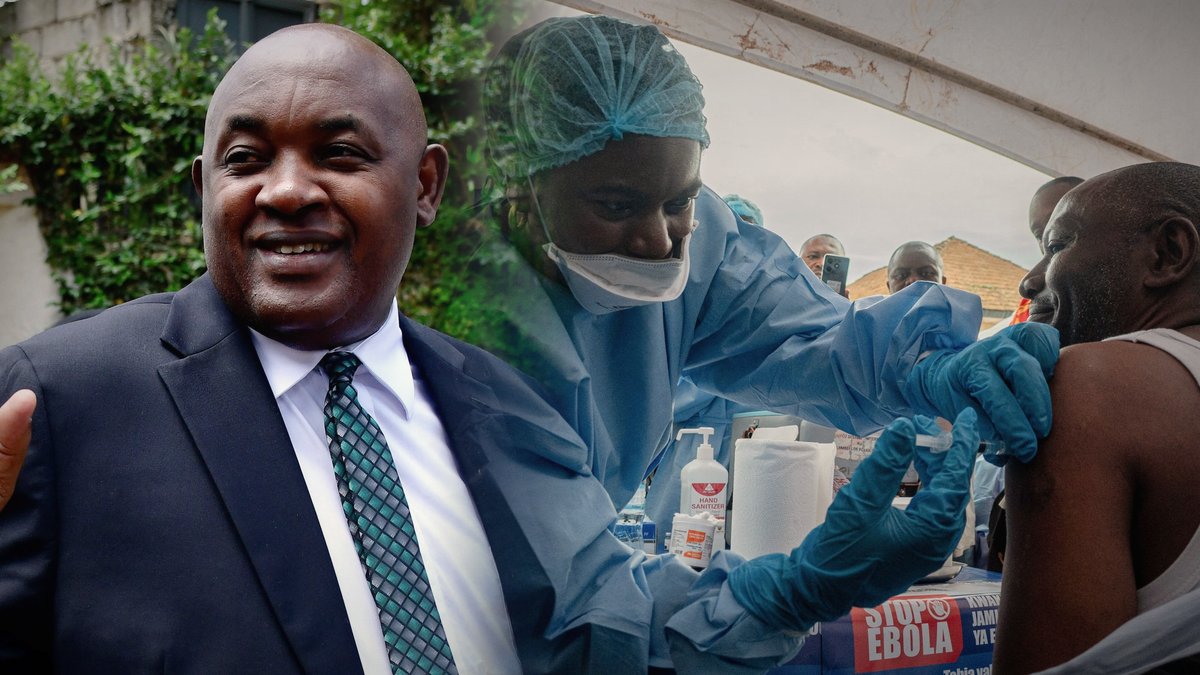
A nurse has been killed and another health worker seriously injured in an attack on a team responding to an Ebola alert in the eastern Democratic Republic of Congo, the World Health Organization has said.
The attack happened on Saturday, 24 October, in the town of Bafwasende in Tshopo province. WHO Director-General Tedros Adhanom Ghebreyesus confirmed the death in a post on X on Sunday. He said the injured worker was still in hospital.
“Everyone working to protect communities from this deadly disease must be able to work in dignity and safety,” Tedros wrote, adding: “Healthcare must always be protected.”
Dr Mohamed Yakub Janabi, the WHO regional director for Africa, also condemned the killing. “Health is NOT a target,” he wrote. “Misinformation and fear must never fuel violence.”
Rumours behind the attack
Local reports say the attackers accused the two health workers of spreading Ebola by contaminating a water source. Health authorities have rejected the claim as a rumour used to manipulate residents and have appealed for calm. Police are reportedly hunting the attackers. Local authorities had not publicly identified any suspects when the Associated Press reported the attack.
The killing is the latest in a series of assaults on responders that officials say is slowing efforts to contain the virus. In May, at the start of the outbreak, residents set fire to tents at two health centres in separate attacks within a single week. In some designated health zones, residents have held response team members captive or threatened them. Last month, a Congolese politician was beaten to death in North Kivu after publicly supporting the government's response, including social distancing and hand-washing.
Responders say deep distrust of the government, fuelled by the handling of past outbreaks and chronic corruption, has led some people to dismiss Ebola as a hoax. That scepticism is hardest to overcome in remote areas and new hotspots, which already lack medical supplies and staff.
Deadliest outbreak on record
Congo's Ministry of Health has recorded more than 9,800 cases and more than 4,700 deaths since the outbreak began in May. By 20 October, WHO figures showed 9,704 cases and 4,687 deaths across eight Congolese provinces. It is the deadliest Ebola outbreak in the country's history and, according to AP, the fastest-growing in the world.
The outbreak is caused by the Bundibugyo strain of the virus. It has no approved vaccine or specific treatment, unlike the Zaire strain behind earlier Congolese epidemics. Ebola spreads through direct contact with the bodily fluids of infected people, and symptoms can take up to 21 days to appear.
Spread across the region
The virus has been reported in four countries across eastern, central and western Africa. AP says this is the widest geographic spread of any Ebola outbreak on the continent.
Neighbouring Uganda, which declared its own outbreak over in July, has tightened controls. On Sunday, Health Minister Chris Baryomunsi announced that citizens returning from Congo will be quarantined for 21 days at their own cost. Screening at Entebbe International Airport and at land crossings has also been stepped up.
Kenya has been drawn in as well. A Kenyan man who travelled from Congo through Uganda flew into Nairobi on 3 October and died two days later. Kenya has since reported a second death but says there is no evidence of community spread. Nigeria is monitoring 53 contacts of a confirmed case in Abuja whose virus is genetically close to the Kenyan case, although no direct link has been established.
In its 23 October update, the WHO urged stronger surveillance and cross-border cooperation. It advised against travel or trade restrictions on affected countries.
Photos: Reuters via Al Jazeera



Know what people say about you.
Media monitoring, audience insights and strategic communication for your brand.


More in International
See all
Jailed Tanzanian opposition leader Tundu Lissu begins hunger strike over lawyer access
Tigray rebels told to lay down arms as their commander vows to keep fighting Ethiopia's government
UN says drones killed 306 Sudanese in three weeks as UK-led coalition warns of looming famine
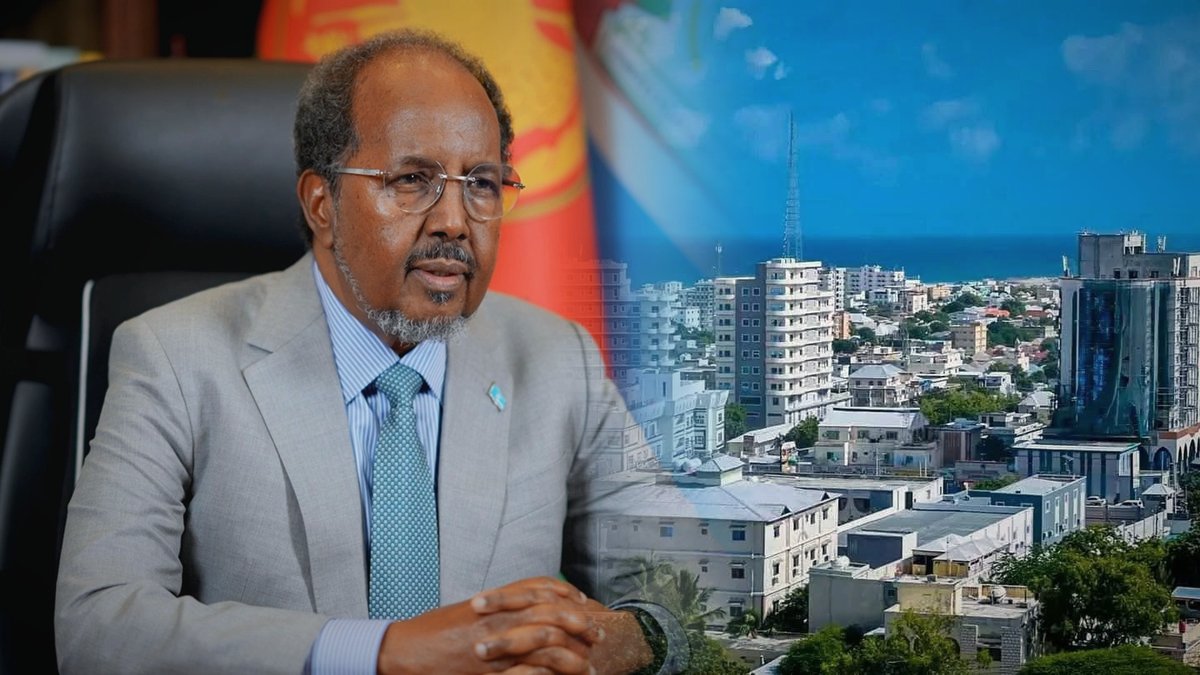
Somalia's Hassan Sheikh invites opposition to Mogadishu election talks as 2027 timetable dispute deepens

Kenya joins US, China and Russia at Geneva talks as envoys push for Sudan ceasefire

Ghana tightens airport screening over Ebola risk from Kenya flights
Global Community Remarks
0