
US Navy chief says Hormuz insurance now $64m per crossing as shipping stays depressed
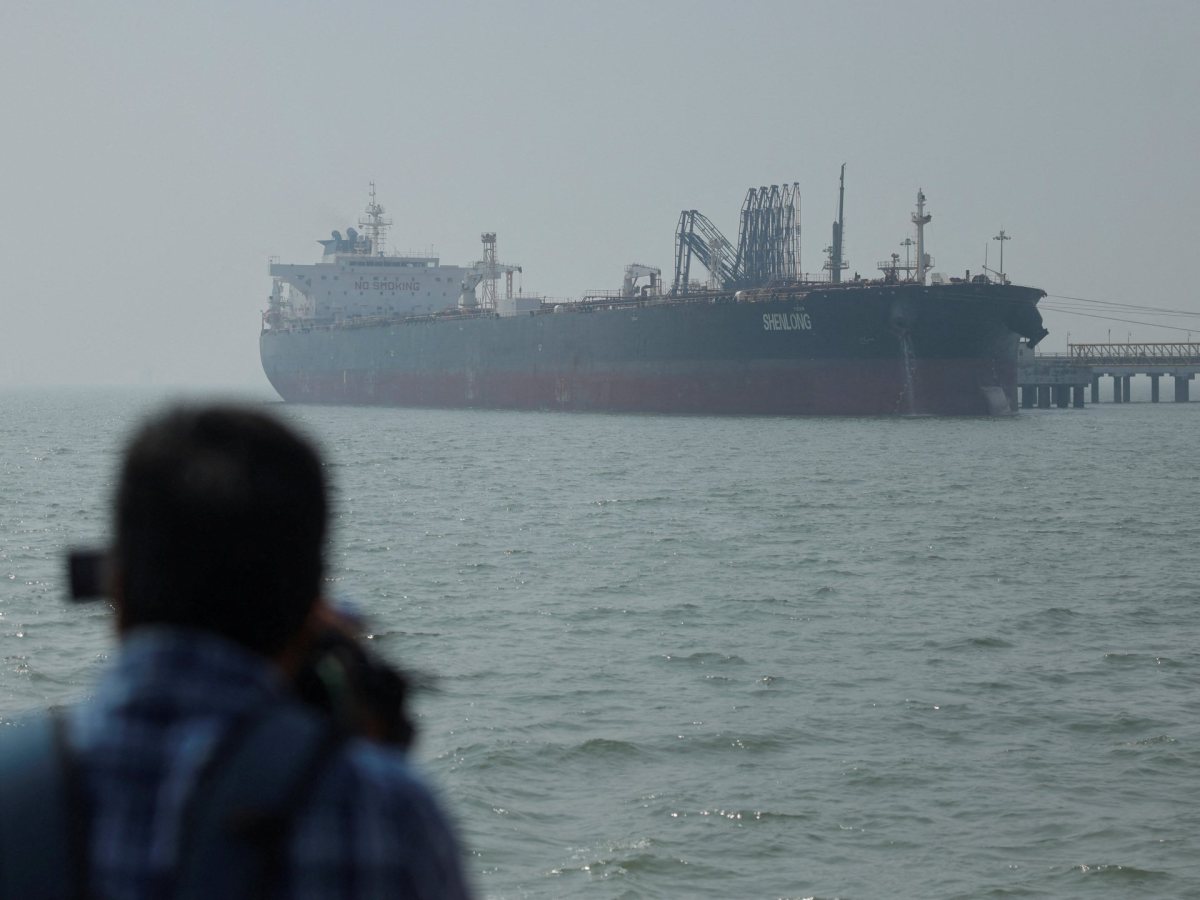
Insuring a single commercial voyage through the Strait of Hormuz now costs about $64m, a senior United States Navy official has told American lawmakers. The claim casts fresh doubt on President Donald Trump's insistence that the vital waterway is open for business.
Acting US Navy Secretary Hung Cao made the statement on Tuesday during his confirmation hearing before the Senate Armed Services Committee, according to Al Jazeera. Senators were pressing him on the cost of the US-Israeli war on Iran and its effect on freedom of navigation.
The figure has not been independently verified. It is well above earlier published estimates of insurance costs during the nine-month conflict.
From $54,000 to $64m
Responding to Democratic Senator Elissa Slotkin, Cao first mentioned a figure of $54,000 for one crossing. He then clarified that this was the cost before the war began and that the price now stood at $64m.
Slotkin said the war was to blame for the rise. She argued that commercial vessels no longer enjoyed the freedom of navigation they had before the fighting started.
Iran effectively closed the strait after the US and Israel launched strikes on the country on 28 February. Since then it has allowed only some ships through and targeted those it considers unauthorised. The disruption has caused severe shortages of oil, gas, fertiliser and other goods normally shipped from Gulf producers.
Before the war, the strait carried roughly a fifth of the world's oil supplies. It is the only sea passage linking the Gulf to the Arabian Sea and the open ocean.
Analysts question the number
Michelle Bockmann, an analyst at maritime intelligence firm Windward, told Al Jazeera that Cao had offered no context for his figure. She said war-risk premiums are usually set as a percentage of a ship's hull value, so the cost depends on the type of vessel and the rate charged.
A July report by S&P Global found that war-risk premiums had risen to between 7.5 and 10 per cent of hull value, up from 1 to 3 per cent before the war. On that basis, it estimated that insuring a tanker carrying 270,000 tonnes of crude could cost around $21m. In September, Reuters quoted an executive at Dubai's Emirates National Oil Company as saying the cost of moving an oil cargo through Hormuz had climbed to between $10m and $20m.
War-risk insurance protects vessels against losses caused by military conflict. Its price reflects the value of the ship and cargo and the likelihood of attack. Higher premiums can push up freight rates, fuel prices and the cost of goods worldwide. This is a concern for fuel-importing economies, including Kenya and its East African neighbours.
Traffic still far below normal
The United Kingdom Maritime Trade Operations (UKMTO) says traffic through the strait is still about 65 per cent below pre-war levels. In the week to 11 November it recorded 308 crossings: 139 outbound and 169 inbound.
Trump has repeatedly said Washington has secured the route through naval escorts and a blockade of Iranian ports. Tehran, however, says it controls passage. It requires ships to follow approved routes closer to its coastline and to coordinate with its forces. It has also exempted vessels from India, China, Iraq and Qatar.
Violence has continued this week. On Monday, UKMTO reported two attacks on tankers, one of which left a vessel near Oman disabled with its engine room on fire. On Tuesday, Iranian forces said three more tankers had struck mines. The same day, the US hit targets on Iran's Qeshm island, following an Iranian drone attack on US military sites in Bahrain.
Chris Beauchamp, chief market analyst at IG, told Al Jazeera that the strait is open only to mariners willing to take the risk, adding:
"It certainly isn't open by any pre-war definition of the word."
He said resolving the crisis would require Washington to accept the limits of its influence in the Middle East.
Strain on the navy
Cao also acknowledged that the war was straining the US Navy through long deployments and pressure on resources. Democrats accused him of being a "yes man" for Trump. Senator Kirsten Gillibrand said he was playing down the mental health toll on sailors, following eight suicide attempts aboard an aircraft carrier. She called his response about a sailor who went overboard "inhumane".
This story was prepared by the Hamasta Newsdesk with AI assistance, based on reporting by Al Jazeera. Read the original report. Photo: Al Jazeera.

Tell your story on screen.
Commercials, documentaries, interviews and social video, from script to final cut.





More in International
See all
Ukraine brings down section of Russia's Crimea bridge in back-to-back strikes

Houthis near Aden may choose siege over assault to force talks, analysts say

Muslims projected to outnumber Christians worldwide by 2035, Pew study finds

Gazans flee as Israeli troops push beyond Yellow Line in central Gaza

Russian strikes on Ukraine kill at least five, most of them in Odesa

Global Community Remarks
0