
Houthis near Aden may choose siege over assault to force talks, analysts say
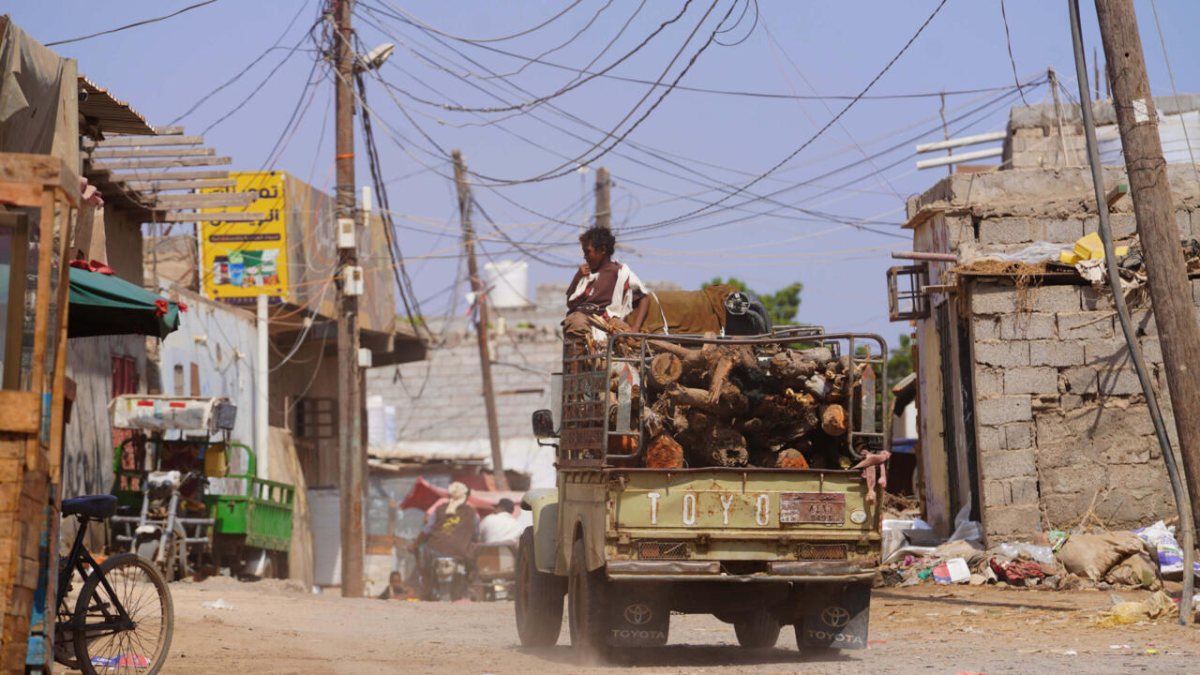
Yemen's Houthi rebels may try to encircle and slowly choke the southern port city of Aden rather than launch a direct assault, analysts say, as the Iran-backed movement presses closer to the internationally recognised government's last major stronghold.
According to France 24, the rebels advanced this week to around 60 kilometres from Aden. The city of more than 1.2 million people has served as the interim capital of the Saudi-backed government since the Houthis took control of Sanaa in 2014.
The push follows the rebels' capture of Yemen's western coast in September, which gave them a foothold near the Bab el-Mandeb Strait. The narrow waterway, which lies across from the Horn of Africa, links the Red Sea to the Gulf of Aden and the Indian Ocean. It carries shipping between Asian and European markets. Aden sits about 170 kilometres east of the strait.
Air strikes and alarm
On Wednesday, the Saudi-led coalition said it had carried out a major air attack across rebel-held areas. The Houthis said at least 17 people were killed. The strikes came amid international concern over the rebel advance.
The loss of Aden would leave the government without its last significant base and give the Houthis near-total control of the country, France 24 reported.
Pressure rather than conquest
Several experts doubt the rebels want a deadly street battle in a city where the government has sent military reinforcements. Karim Sader, a political scientist and Gulf specialist, told France 24 that he expects an encirclement or siege rather than a long and expensive frontal attack.
Sader said the Houthis lack the resources to storm Aden for now. He argued that their main aim is to strengthen their position before any negotiations. In his view, they will try to gradually squeeze the city to push their opponents to the table. Analysts also question whether the rebels could hold Aden even if they captured it quickly.
Yemeni journalist and analyst Mona Safwan said the Houthis have set clear conditions for a ceasefire. These are the lifting of the blockade and an end to Saudi military intervention in Yemen. She said the escalation is meant to force Riyadh to accept those terms, and that the rebels' demands harden the further they advance.
How the truce collapsed
The current fighting began this summer. Saudi Arabia bombed the runway at Sanaa's airport to stop an Iranian plane from landing. The aircraft was carrying Yemenis returning from the funeral of Iran's late supreme leader, Ayatollah Ali Khamenei. The Houthis responded by declaring a naval blockade of Saudi Arabia and firing missiles at its oil facilities. That ended the ceasefire that had held between the two sides since 2022.
Aden has resisted the rebels before. In 2015, the Houthis seized the presidential palace but held it for only a day. They were pushed out by coalition air strikes and by residents and fighters from neighbouring areas who mobilised alongside paramilitary groups.
Fragile alliances
Defending Aden will depend on the Southern Transitional Council (STC), a UAE-backed separatist movement. Saudi Arabia attacked the STC in January after the group seized eastern territory previously held by government troops.
Sader said the threat to Aden has realigned Saudi and STC interests. He described coordination between Riyadh and Abu Dhabi as an alliance of convenience. He warned that it remains fragile because the southern forces will not give up their goal of independence, which clashes with Saudi Arabia's wish to keep Yemen united.
On Monday, a Saudi royal decree replaced the coalition's commander, General Fahd bin Hamad bin Abdelaziz al-Salman, with General Fayyad bin Hamed bin Ruqad al-Ruwaili. The change followed the Houthi advance and the withdrawal of government forces from areas near Bab el-Mandeb. Analysts say divisions within the government camp have also helped the rebels.
Safwan said little is stopping the Houthis militarily, and suggested they are holding back to avoid a crisis with southerners. But she warned that if Saudi Arabia used Aden as a base for an offensive on Sanaa, the rebels could try to take the city and the whole south, as far as the Socotra archipelago.
This story was prepared by the Hamasta Newsdesk with AI assistance, based on reporting by France 24. Read the original report. Photo: France 24.

Tell your story on screen.
Commercials, documentaries, interviews and social video, from script to final cut.





More in International
See all
Ukraine brings down section of Russia's Crimea bridge in back-to-back strikes

Muslims projected to outnumber Christians worldwide by 2035, Pew study finds
Gazans flee as Israeli troops push beyond Yellow Line in central Gaza

Russian strikes on Ukraine kill at least five, most of them in Odesa
US Navy chief says Hormuz insurance now $64m per crossing as shipping stays depressed

Global Community Remarks
0