
Kenya signs five-year UNOPS deal to push irrigation to one million more acres
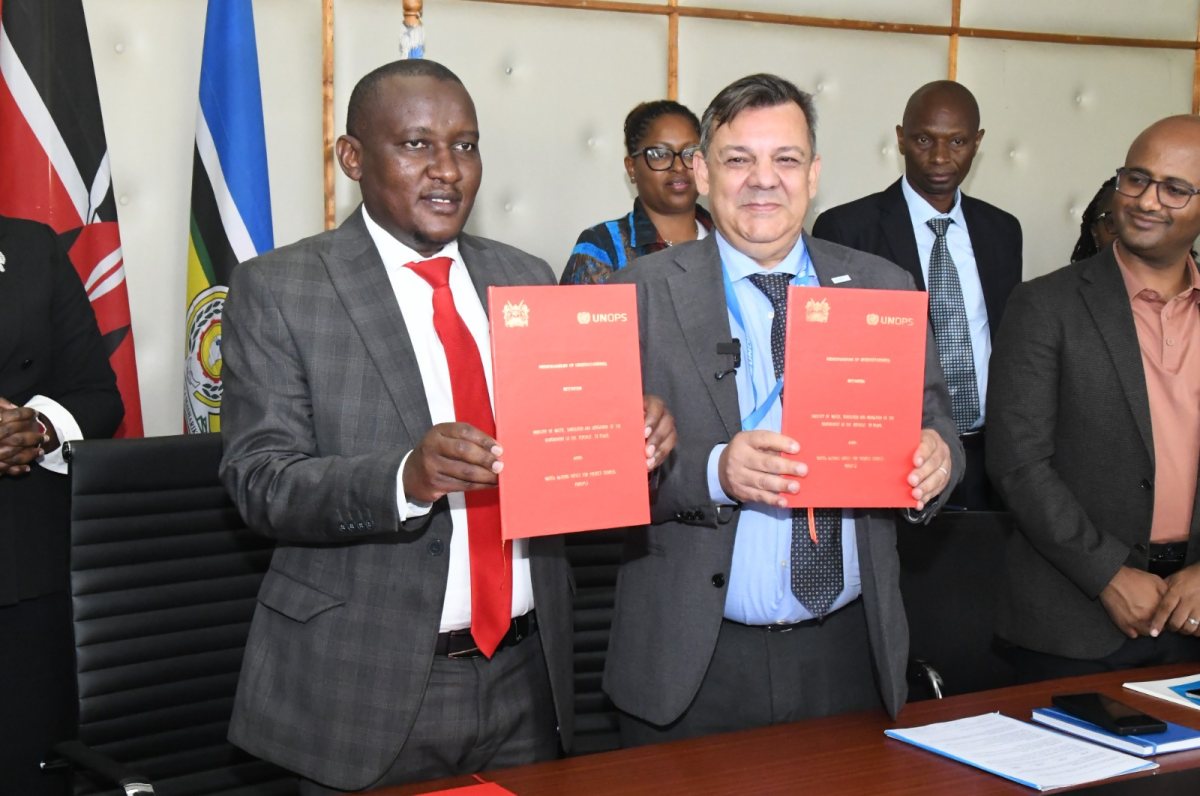
Kenya has entered a five-year partnership with the United Nations Office for Project Services (UNOPS) as it seeks billions of shillings in private investment and green climate financing to add one million acres of irrigated land by 2035, according to KBC.
The arrangement was formalised through a Memorandum of Understanding (MoU) signed in Nairobi between the State Department for Irrigation and the UN agency. It aims to build technical capacity, improve how projects are prepared and help mobilise funding to speed up irrigation development and strengthen national food security.
Filling skills gaps
Irrigation Principal Secretary Ephantus Kimotho said at the signing that UNOPS would bring specialised know-how in project structuring, feasibility studies, environmental and social impact assessments, procurement and raising finance.
He explained that the government was looking to work with partners experienced in climate finance so that it could tap green funds, draw in more private capital and better organise money already provided by development partners.
According to the PS, investors and green financiers expect projects to meet standards on sustainability, commercial viability and risk management. He acknowledged that these were areas where his department lacked in-house expertise.
"Those are skills that, as a State Department, we don't have," Kimotho said, according to KBC.
He added that the partnership would also help the department carry out environmental and social impact assessments, which he described as critical for large irrigation schemes that affect communities and natural resources.
The investment plan
The collaboration is meant to support delivery of the National Irrigation Sector Investment Plan (NISIP). The plan sets out a roadmap that first focuses on getting the most out of existing irrigation schemes before expanding coverage by an additional one million acres.
Kenya currently has about 700,000 acres under irrigation. Under NISIP, the government and development partners are expected to provide roughly 40 per cent of the required investment, while the private sector is projected to contribute the remaining 60 per cent.
Kimotho also said the government had added about 114,000 acres of irrigated land over the past four years, which he credited with raising agricultural output.
Technical review committee
Massimo Diana, the UNOPS Director for the East and Southern Africa Multi-Country Office, said the agency would work with the government to identify priority projects and ensure they are well structured, financially viable and ready for implementation.
Diana clarified that the MoU does not name any specific initiative. Instead, it sets up a technical review committee through which the two sides will jointly prioritise projects and deploy specialised expertise.
He said UNOPS would offer support in several areas, including:
- Feasibility studies and project readiness
- Procurement
- Infrastructure implementation
- Long-term asset management
- Linking the government with potential financiers, including development banks
The partnership is expected to improve governance and sustainability of irrigation investments while accelerating government efforts to raise agricultural production and food security.
This story was prepared by the Hamasta Newsdesk with AI assistance, based on reporting by KBC. Read the original report. Photo: KBC.


Take your event live to thousands.
Multi-camera live streams, panel discussions and digital broadcasts with professional crews.



More in Business
See all
Kitui school gets solar-powered irrigation project as seven more set for county
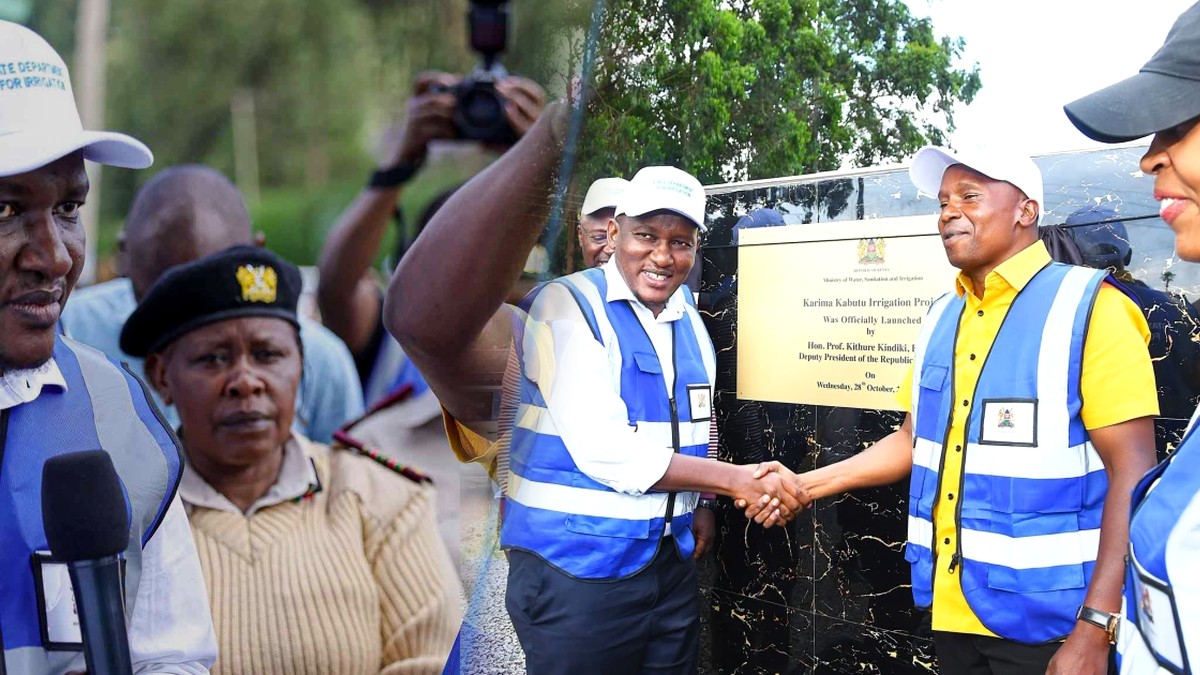
Kindiki launches Karima Kabutu irrigation scheme in Othaya to water 834 acres for 1,668 Nyeri households
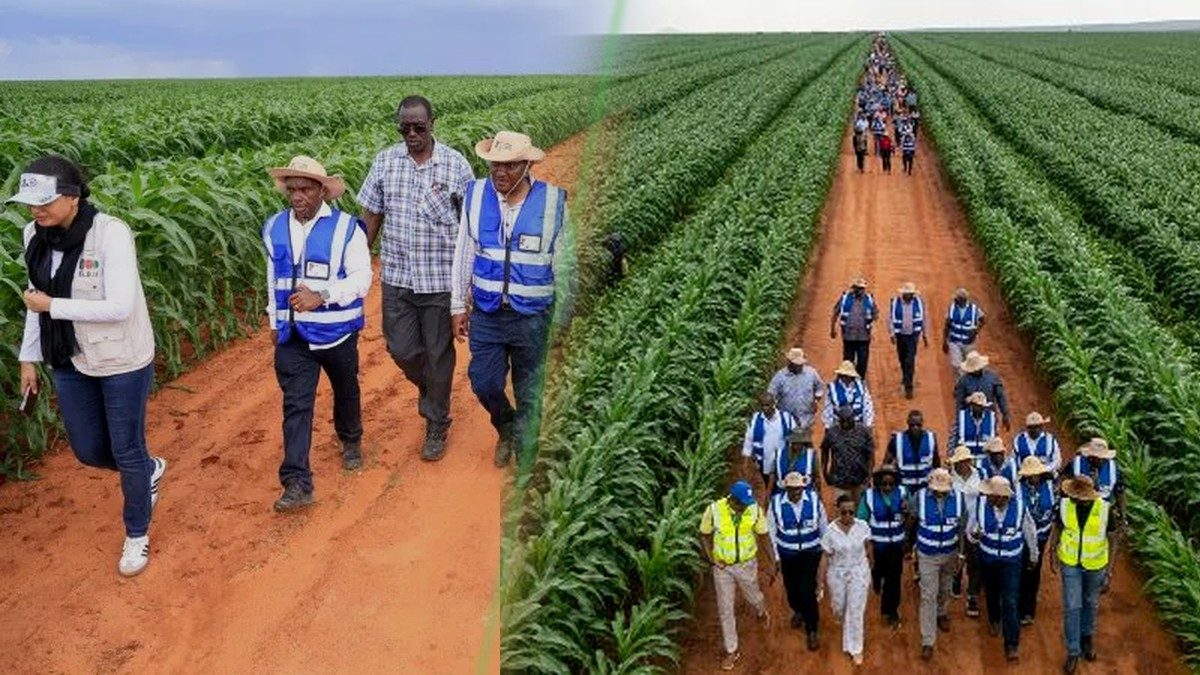
Sh560 billion a year on imported food: Koskei leads dozens of PSs to Galana Kulalu with a plan to make Kilifi's dry plains feed Kenya
.jpeg)
Obaga Farmers Count Losses as Irrigation System Breakdown Enters Third Week

Lake Bogoria irrigation project hits 95% as govt works to stop Baringo, Bogoria merging

Global Community Remarks
0