
Iran vows to use 'all available means' against renewed US naval blockade
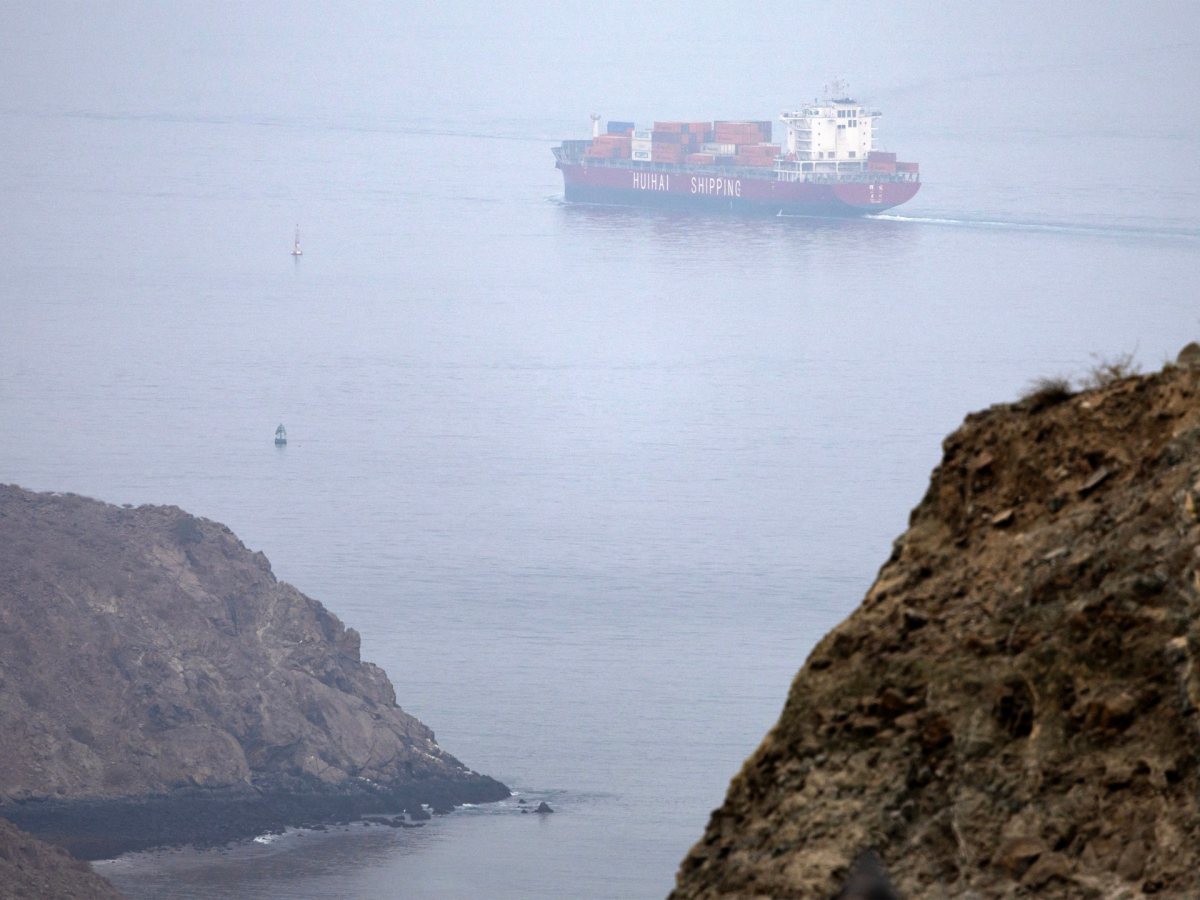
Iran has warned that it will use every tool available to resist a United States naval blockade of its ports, describing the measure as an act of military aggression, according to Al Jazeera.
Foreign Ministry spokesman Esmaeil Baghaei told a news briefing in Tehran on Monday that Iran would not accept the blockade. He argued that what Washington calls economic sanctions and a naval and economic blockade are, in reality, military aggression against the country.
Baghaei said Iran was therefore entitled to defend itself under Article 51 of the UN Charter, the provision covering a state's right to self-defence.
"We will certainly not tolerate these actions," Baghaei said.
A blockade lifted, then restored
The blockade was first imposed on April 13, during what is now a nine-month war between Iran and the US and Israel. It was lifted in June after Washington and Tehran reached a draft understanding, but was put back in place on July 14 when that agreement fell apart.
The war began on February 28, when US and Israeli air strikes killed Iran's Supreme Leader Ali Khamenei and other senior officials. The fighting has since spread, with Iran firing missiles and drones across the region and armed groups it supports in Lebanon, Yemen and Iraq joining in.
Hormuz at the centre
The Strait of Hormuz, a key route for oil and natural gas shipments, has become the main flashpoint. Iran has continued trying to close the waterway, and the US responded by blockading Iranian ports, announcing a series of economic sanctions and setting up a task force to disrupt land routes into the country.
In recent weeks, Iranian forces have repeatedly announced that ships caught fire while attempting to use routes Tehran regards as off-limits.
Iran's visible crude exports have fallen to almost nothing in recent months because of the blockade. Last week, the monitoring service TankerTrackers.com reported that a tanker was loading Iranian crude through a ship-to-ship transfer in the Gulf and could become the first vessel to export the country's oil since the blockade returned in July. Baghaei dismissed reports of Iranian ships loading oil as speculation.
Economic strain
Al Jazeera's correspondent in Tehran, Resul Serdar Atas, reported that the blockade is hurting Iran's economy and that Iranians are openly acknowledging the damage, since more than 80 percent of the country's imports and exports pass through the Strait of Hormuz or its southern ports.
He said Iranians are increasingly searching for ways to end the blockade, and that military action against US assets around Iran is being discussed.
Diplomacy stalled
Efforts to end the war remain stuck, particularly since the collapse of the June agreement, which had set out a path towards a permanent settlement.
Tehran has said the Strait of Hormuz could reopen within two days if Washington meets its conditions, among them an end to hostilities, the lifting of the blockade and the waiving of sanctions.
Baghaei said security in the strait and the wider region could be restored quickly if the US side fulfils its commitments.
For East African economies such as Kenya, which rely on imported petroleum products, prolonged disruption to Gulf shipping routes remains a concern for fuel supply and prices.
This story was prepared by the Hamasta Newsdesk with AI assistance, based on reporting by Al Jazeera. Read the original report. Photo: Al Jazeera.



Grow an audience that listens.
Social media management, digital campaigns and online storytelling that converts.



More in International
See all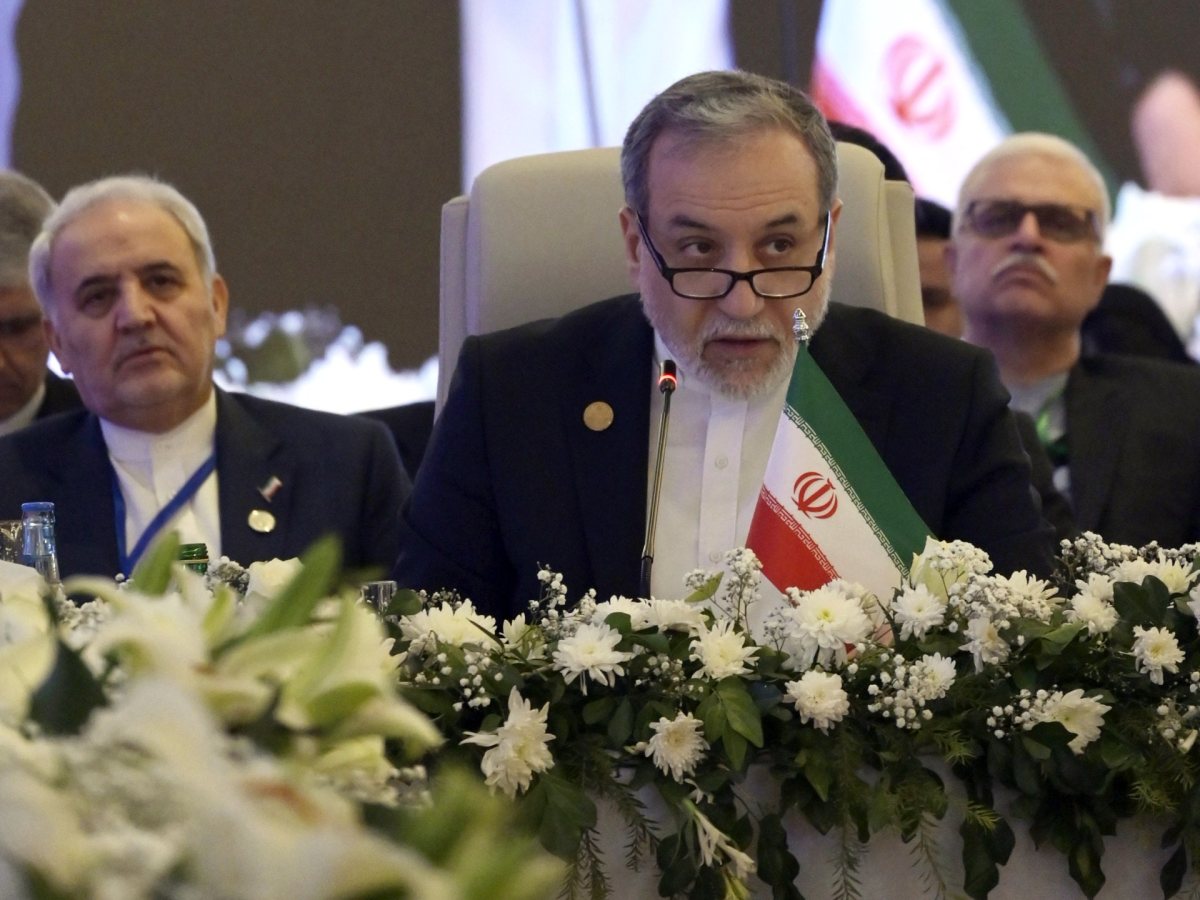
Iran holds talks with Qatari mediators, sets terms for reopening Strait of Hormuz
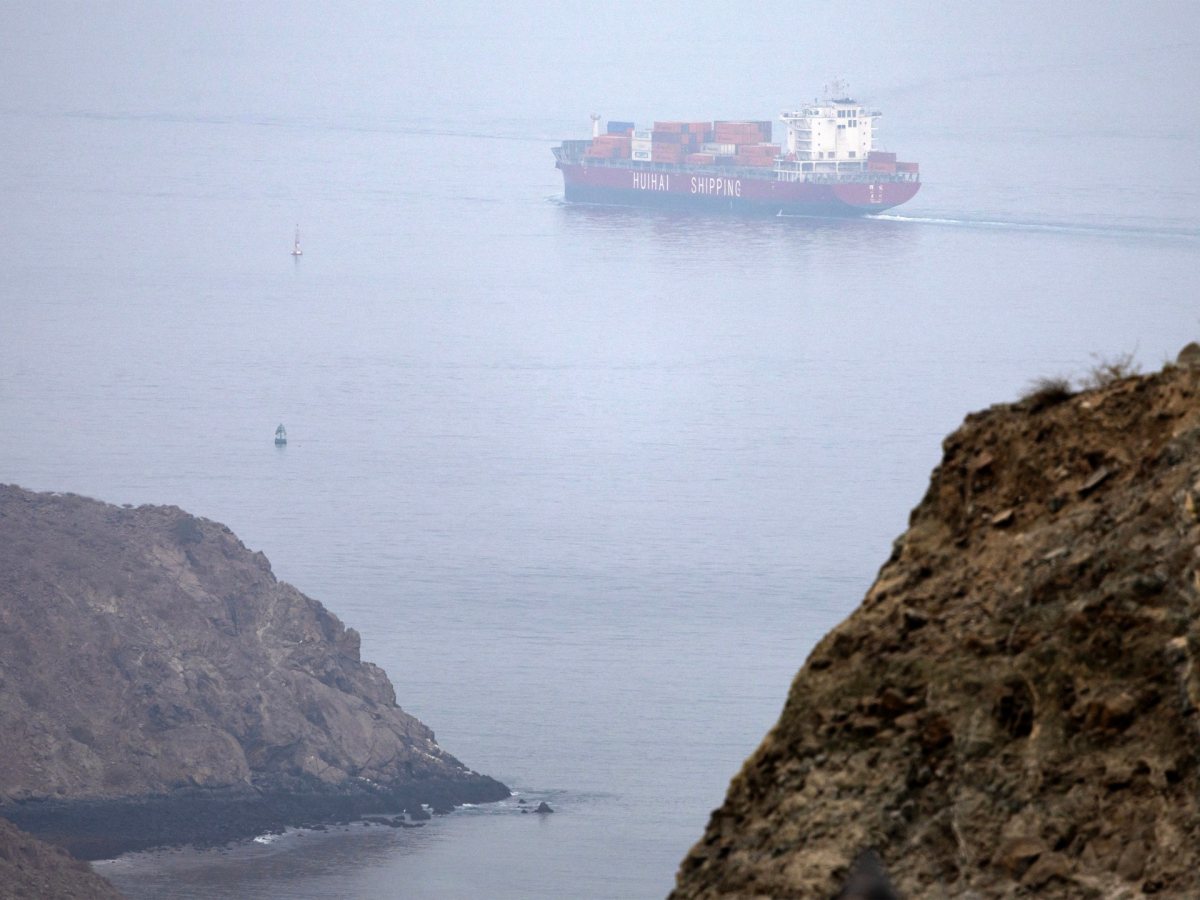
Tankers struck near Oman as Iran tightens control of Strait of Hormuz
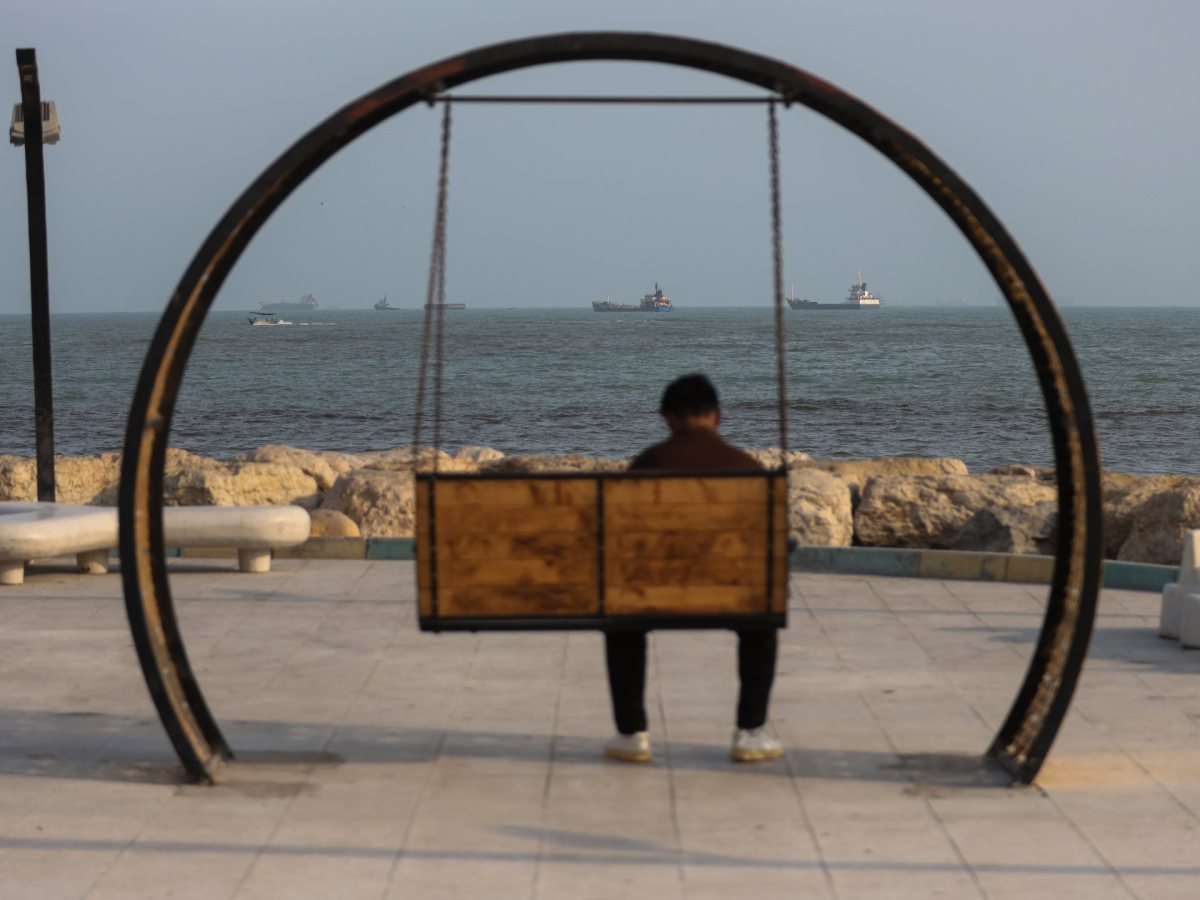
Tankers hit in Strait of Hormuz as drone triggers alarm at Iraq's Khor Mor gas field
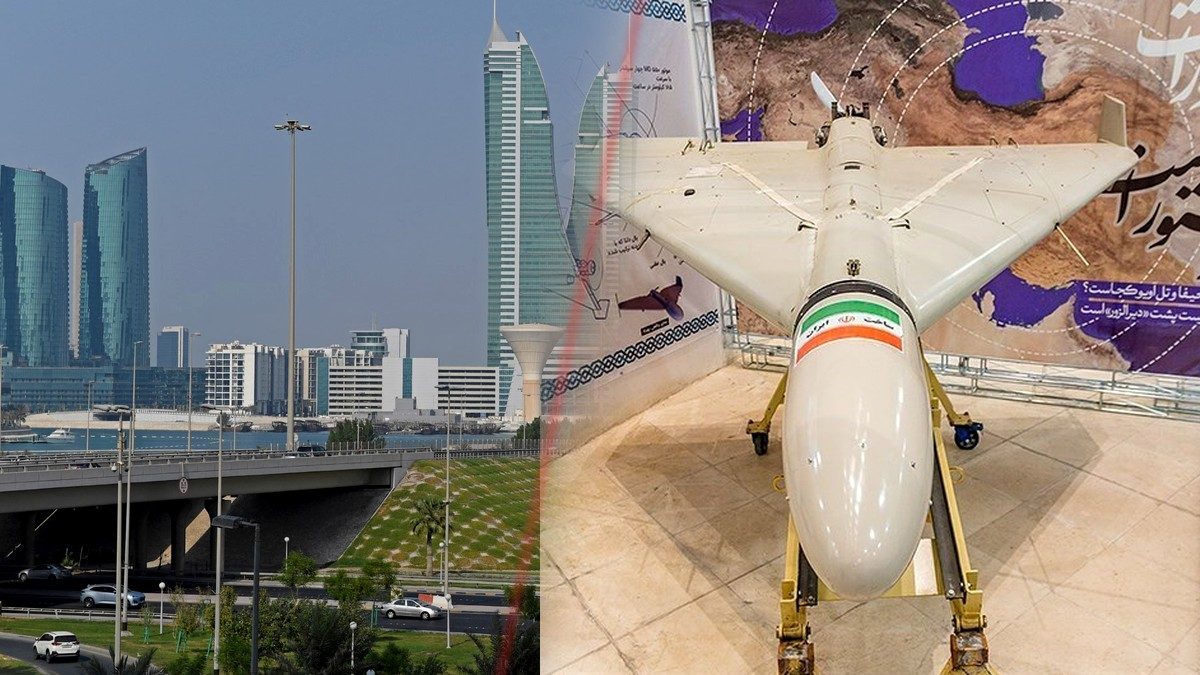
'The Strait of Hormuz is closed': Sirens wake Bahrain at 4am as Iran sends six drones at a US base, its second strike in three days
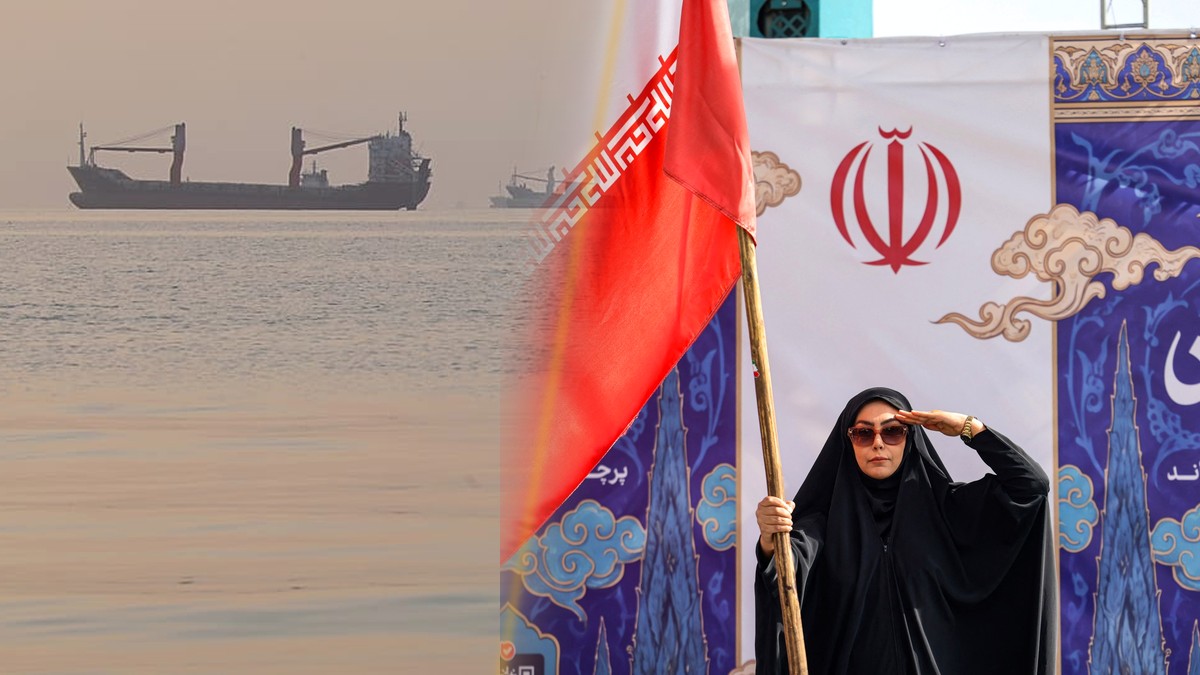
'Ball in US court': Iran offers two-day plan to reopen Hormuz as it says two tankers hit mines in the strait
Global Community Remarks
0