
High Court allows abduction case involving lawyer Abshir Ahmedsadak Abdi to proceed

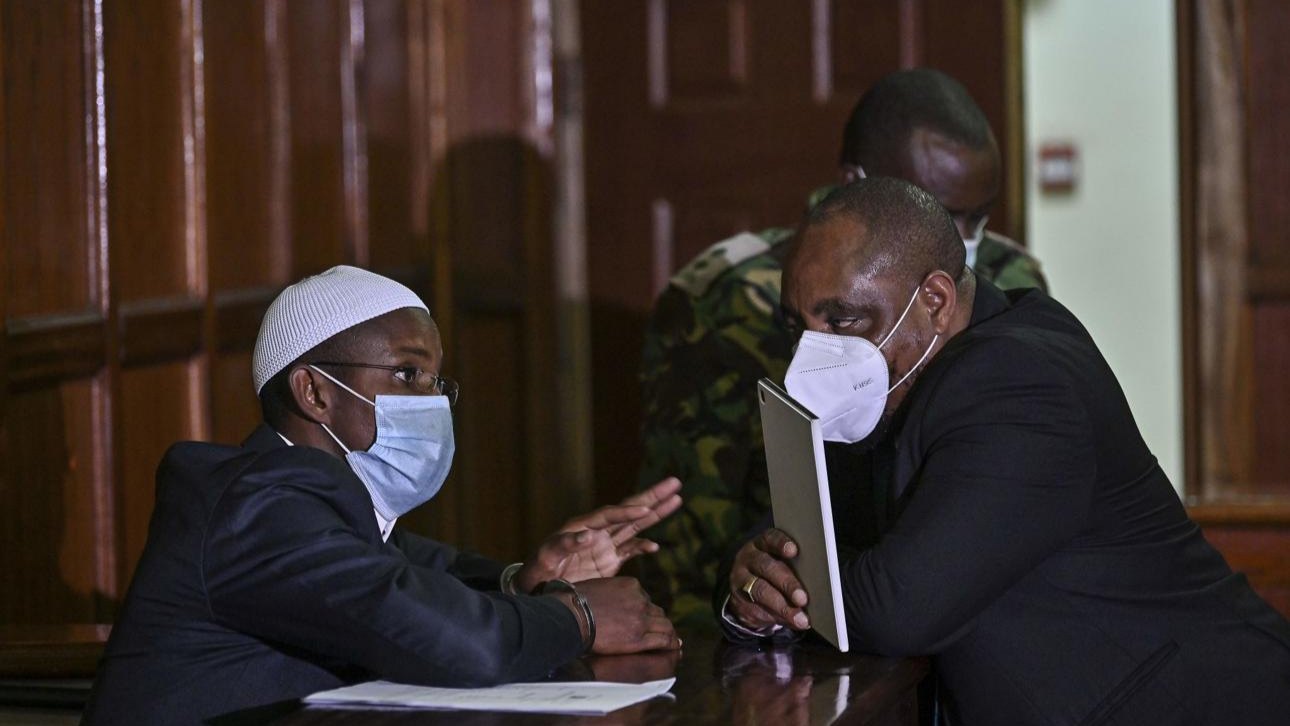
The High Court has ruled that habeas corpus proceedings over the alleged abduction and detention of lawyer Abshir Ahmedsadak Abdi and his friend Ayub Malim will proceed despite their release.
The court rejected objections by the respondents and the Independent Policing Oversight Authority (IPOA), who had argued that the case had become moot after the two men were freed. It held that their release did not remove its jurisdiction to examine the circumstances of their disappearance and detention.
The ruling means the court will continue hearing evidence to establish whether the detention was lawful and to examine the events that led to the two men's release.
The two men were reportedly released in Sololo, near the Kenya-Ethiopia border, after spending 12 days in detention. Their disappearance and release raised questions about the circumstances of their detention and the possible involvement of security agencies.
Why the case continues
In explaining its decision, the court observed that habeas corpus proceedings are not limited to securing the immediate release of a person held in custody.
The constitutional mandate also extends to investigating whether the detention was lawful and whether the rights of the affected individuals were violated, the court said.
The judge noted that the application had been filed while Abdi was still in custody. His release after approximately 12 days in detention could therefore not automatically bring the constitutional inquiry to an end.
The court further observed that ending the proceedings without examining the circumstances of the alleged incommunicado detention would weaken constitutional safeguards against arbitrary arrest and unlawful detention.
Right to a fair hearing
The court also emphasised the importance of fair hearing procedures, noting that witnesses who have already given evidence must be subjected to cross-examination.
Respondents who have been adversely mentioned in the proceedings must also be given an opportunity to respond to the allegations and challenge the evidence presented against them, the court said.
However, the judge clarified that the proceedings would not determine criminal responsibility or interfere with the independent mandate of investigative agencies.
Instead, the court will focus on examining the legality and circumstances of the detention and determining whether appropriate constitutional remedies are necessary.
Court sets dates for further hearing
Following the ruling, the court issued directions for the continuation of the proceedings.
The applicants were directed to file and serve witness statements for Abdi and his witness by close of business on November 24, 2026.
The matter was then scheduled for Thursday, November 26, 2026, at 11am. During the hearing, the court is expected to conduct cross-examination, receive further witness testimony and examine video footage relating to the incident.
The court will also address an application concerning the possible summoning or hearing of the Marsabit County Police Commander to provide further information relevant to the case.
What the ruling means
The proceedings are expected to shed more light on the alleged abduction, the 12-day detention and the eventual release of the two men.
The ruling reinforces the principle that releasing a person from custody does not necessarily erase questions about the legality of their detention or possible violations of constitutional rights.
As the hearing continues, attention will remain on the evidence presented before the court and whether the handling of the two men complied with Kenya's constitutional protections of individual liberty and human rights.


Take your event live to thousands.
Multi-camera live streams, panel discussions and digital broadcasts with professional crews.




Read also
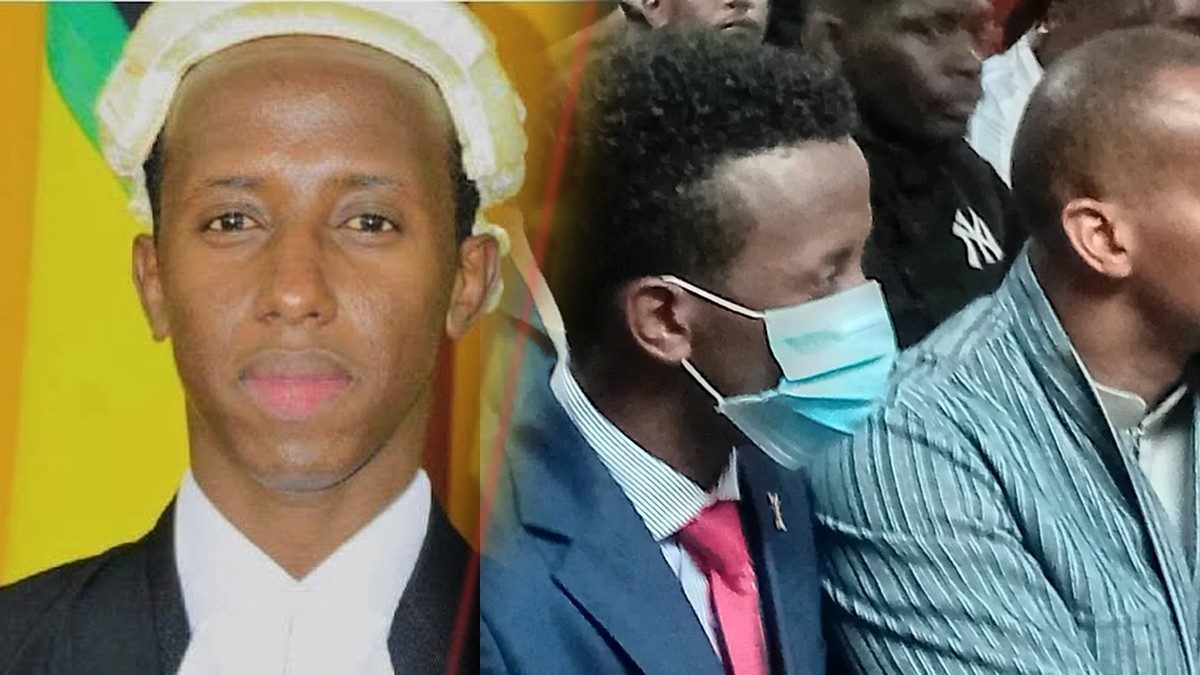
'Dumped where their abductors cannot be blamed': Lawyer Abshir Abdi walks into court a day after herders found him near the Ethiopian border
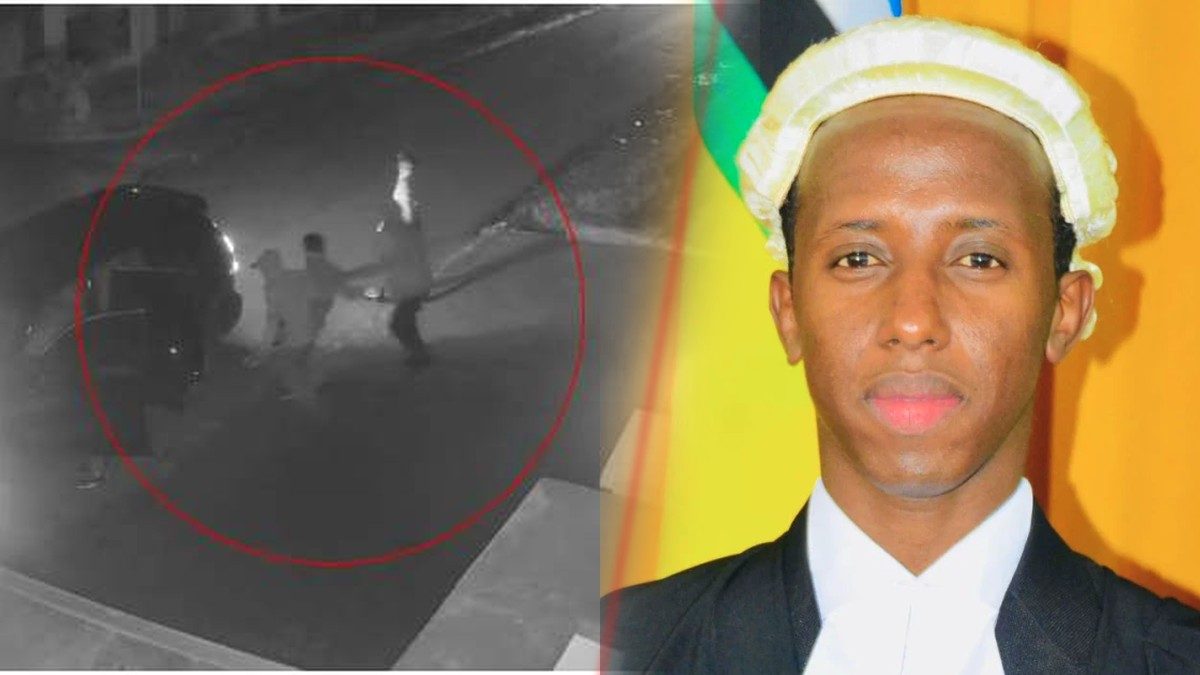
LSK Demands Release of Nairobi Lawyer Abshir Abdi as CCTV Shows Armed Men Bundling Him Into SUV
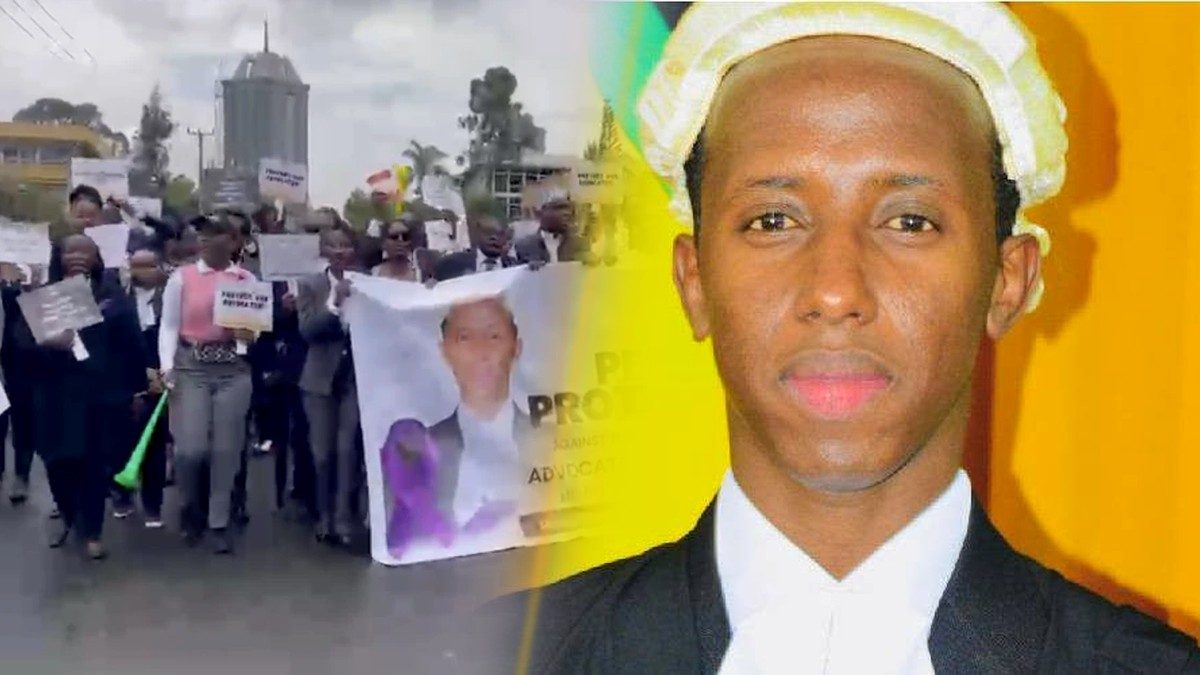
'Who do I ask for my brother?': Ten days after lawyer Abshir Abdi vanished, judge calls the claims 'damning' as lawyers threaten to down tools

US judge allows Trump defamation suit against New York Times and Penguin to proceed

Gukesh opens world chess title defence against Uzbek rising star Sindarov

Bangladesh garment workers reject employers' pay offer as wage protests continue
Global Community Remarks
0