
Russia warns Estonia of 'open war' over border closure and drone claims
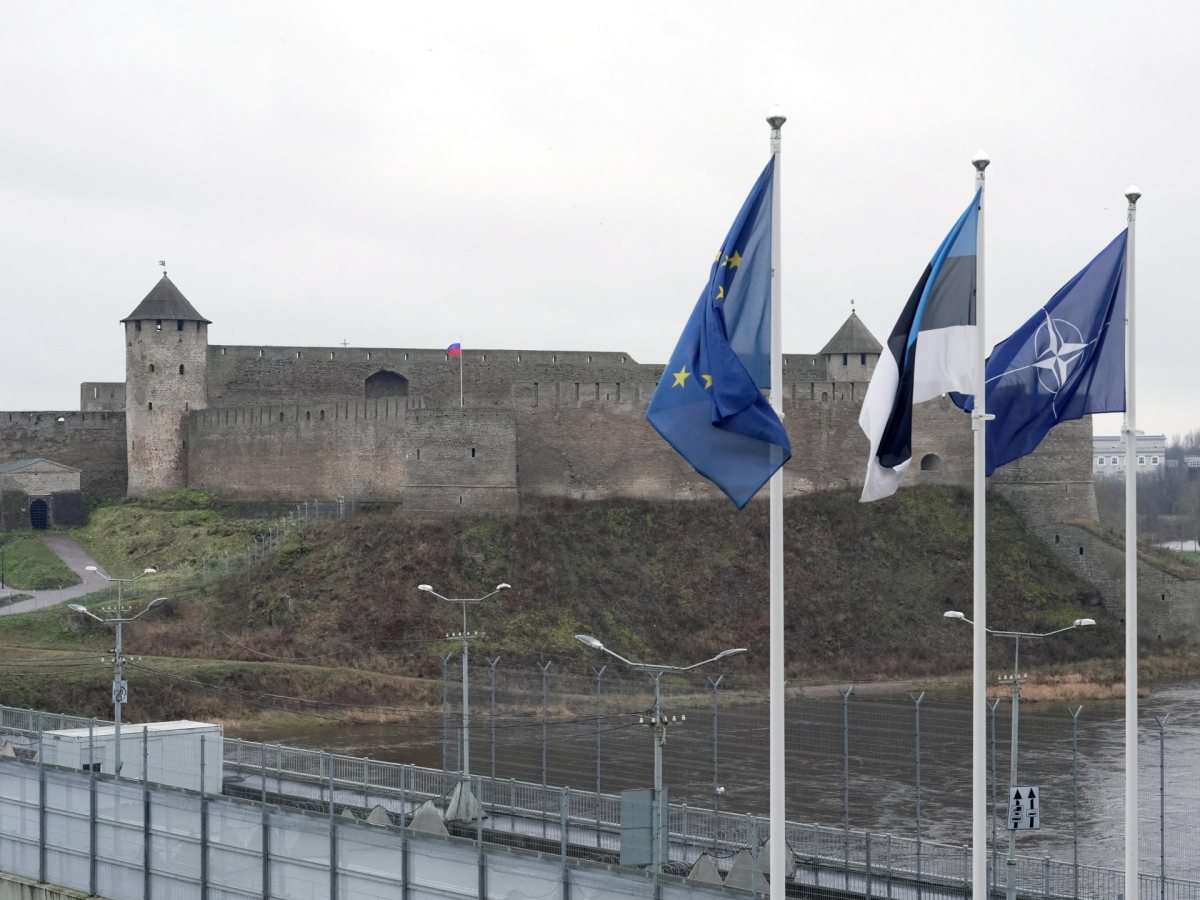
Russia has warned Estonia that its actions are pushing the two neighbours towards "open war", sharply escalating a dispute with the Baltic state, which belongs to both NATO and the European Union, according to Al Jazeera.
Russia's Ministry of Foreign Affairs made the accusation on Monday after summoning Estonia's charge d'affaires in Moscow, Marek Uhtegi, to lodge a formal protest against Tallinn's decision to close its border with Russia.
In a statement, the ministry said the Estonian diplomat had again been told that such "provocative and extremely dangerous actions" risked triggering open conflict. It also accused Estonia of showing "Russophobic" tendencies.
A list of grievances
Beyond the border closure, Moscow set out a series of complaints against Tallinn. Among them, the ministry claimed that Estonia had quietly allowed Ukrainian drones to fly through its airspace to strike targets in north-western Russia.
The ministry further accused Estonia of:
- trying to obstruct Russian cargo ships moving through the Baltic Sea;
- banning the transit of Russian and Belarusian grain;
- seeking to ban the Russian language;
- threatening to close the Russian Orthodox Church.
Moscow said it reserved the right to take "comprehensive political and diplomatic measures" to protect Russia's national interests and the rights of its citizens.
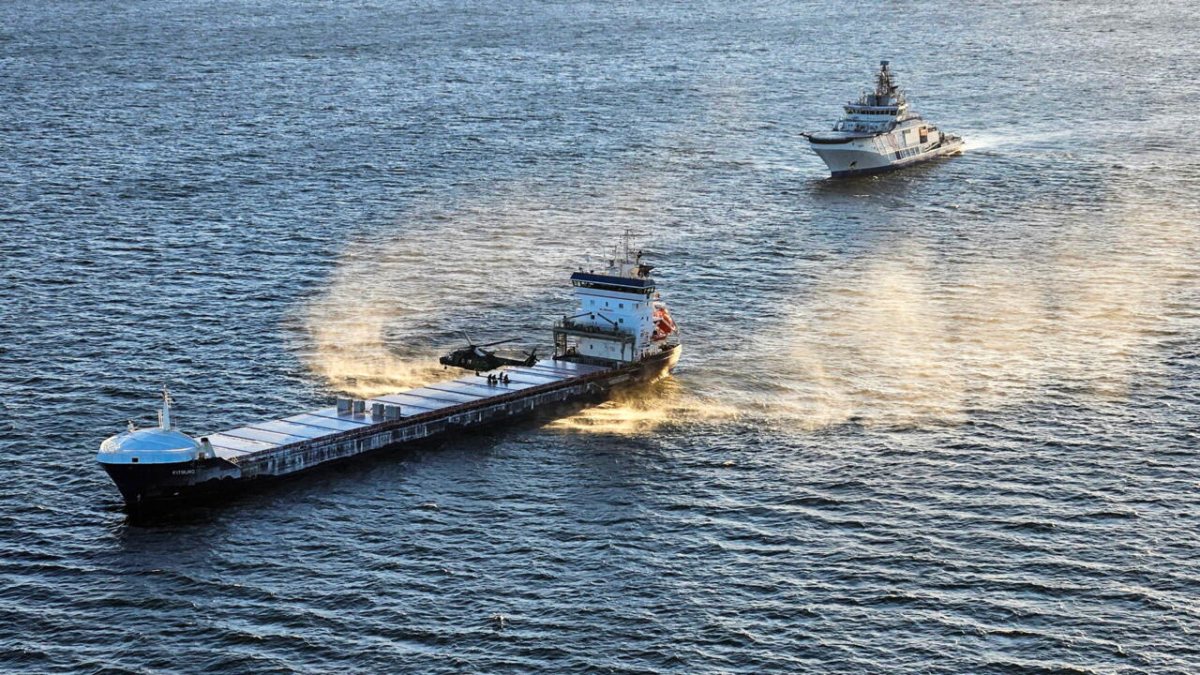
The warning came after Estonia announced the planned border closure and after a Ukrainian attack on a Russian ship in the Baltic Sea, Al Jazeera reported.
Border to shut from December
Earlier this month, Estonia said it would close its border crossings with Russia from December 1 for at least six months. Tallinn took the decision after accusing Russian security services of staging an attempted arson attack on an Estonian defence company.
Russia has denied any role in the attack. Its foreign ministry warned that shutting the border would "inevitably backfire" on Estonia and on its partners in the EU and NATO.
Estonia, a close ally of Ukraine, views the incident as part of a wider pattern of hostile activity by Moscow linked to its war in Ukraine.
Tallinn rejects drone claim
Estonia's Ministry of Foreign Affairs moved quickly to deny the drone allegation, although it did not respond to every accusation Moscow made.
The ministry said that while it generally does not engage with what it called Russian propaganda narratives, it wished to restate that Estonia had never allowed, and would never allow, its territory to be used for military operations by another country. It added that other countries in the region had made the same position clear.
Russia has long accused Estonia and other NATO members around the Baltic of letting Ukrainian drones use their airspace. Ukrainian drones have frequently strayed into NATO territory, but Kyiv attributes this to Russian signal jamming. NATO states have repeatedly denied deliberately permitting such flights and have blamed Russia for the incursions.
Ethnic Russian question
Estonia is home to a sizeable ethnic Russian population, which Moscow has often claimed faces discrimination. Russia cited the alleged suppression of Russian speakers' rights to justify its incursions into eastern Ukraine in 2014.
NATO monitoring
Speaking in Berlin, NATO Secretary-General Mark Rutte said the alliance was watching developments in Estonia, as well as last week's incursion by Russian missiles into Poland, and that it had options available to respond.
He said NATO would continue to assess its deterrence and defence posture in the military domain and make updates where necessary.
This story was prepared by the Hamasta Newsdesk with AI assistance, based on reporting by Al Jazeera. Read the original report. Photo: Al Jazeera.





Show the impact of your work.
Impact stories, campaign videos and community engagement for NGOs and programmes.

More in International
See all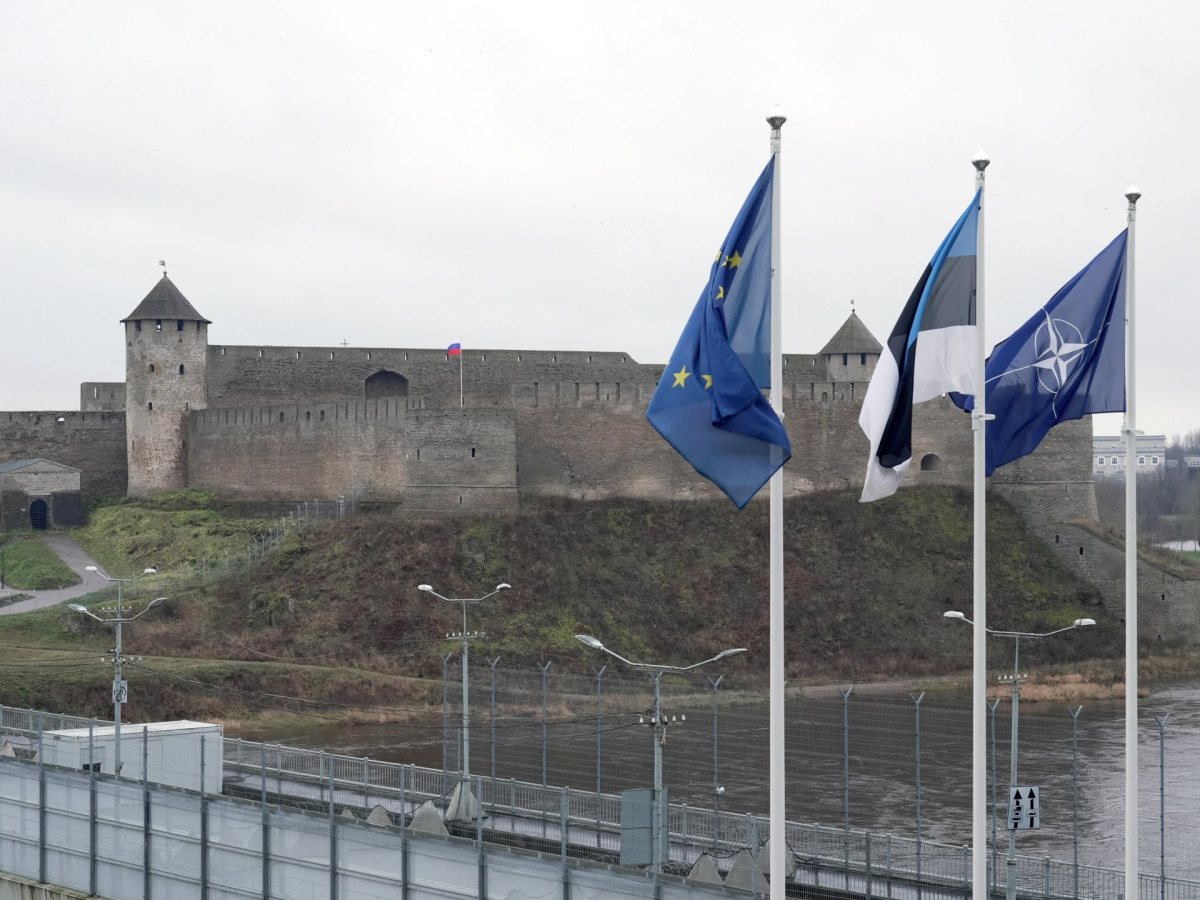
Russia warns of response as Estonia moves to close all road border crossings
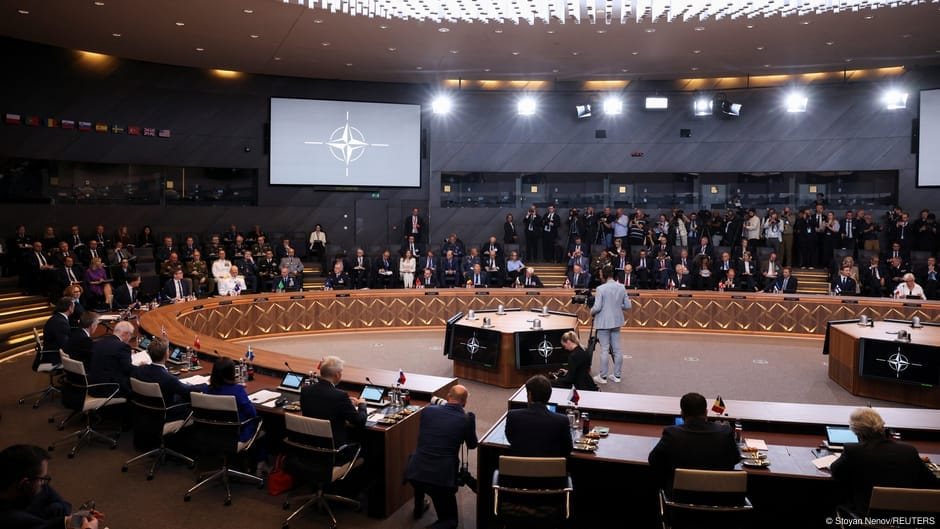
Russia reportedly demands NATO pull troops back to 1997 positions in Eastern Europe

US sounds out Ukraine on ceding Donetsk for NATO-style security guarantees
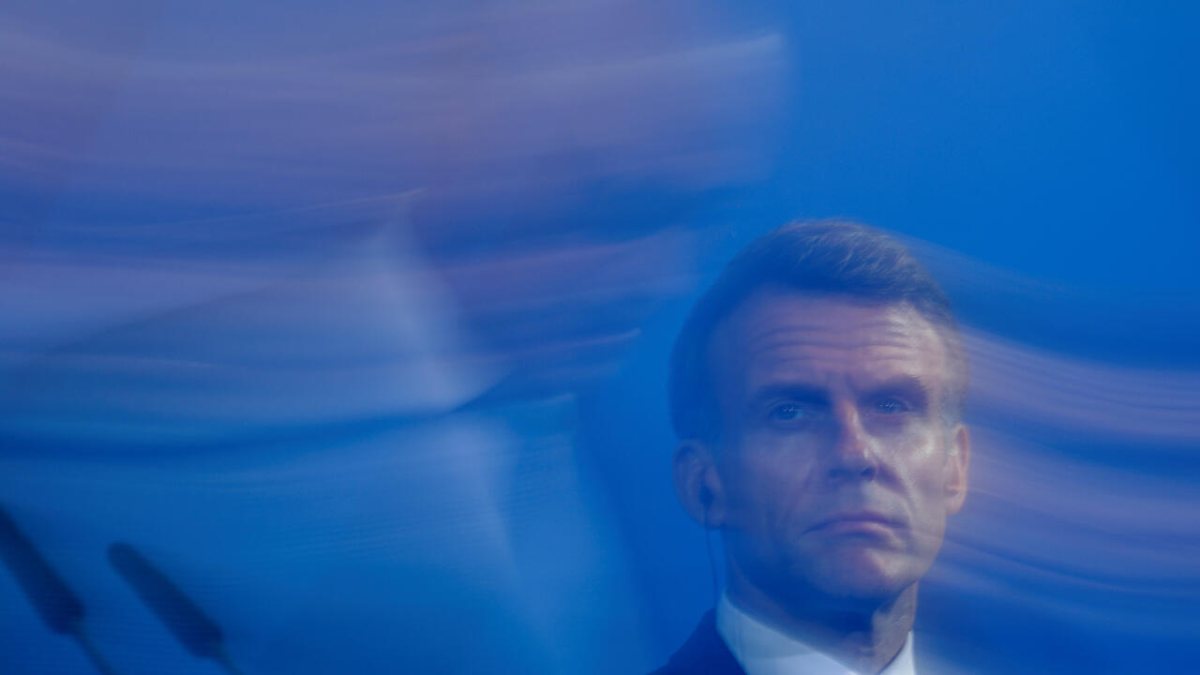
Macron calls on Ukraine's allies to reopen debate on Kyiv joining NATO
Drone strike sets Russian cargo ship on fire in Gulf of Finland
Global Community Remarks
0