
Matiang'i accuses Ruto of misleading Kenyans over locally printed 2026 exams
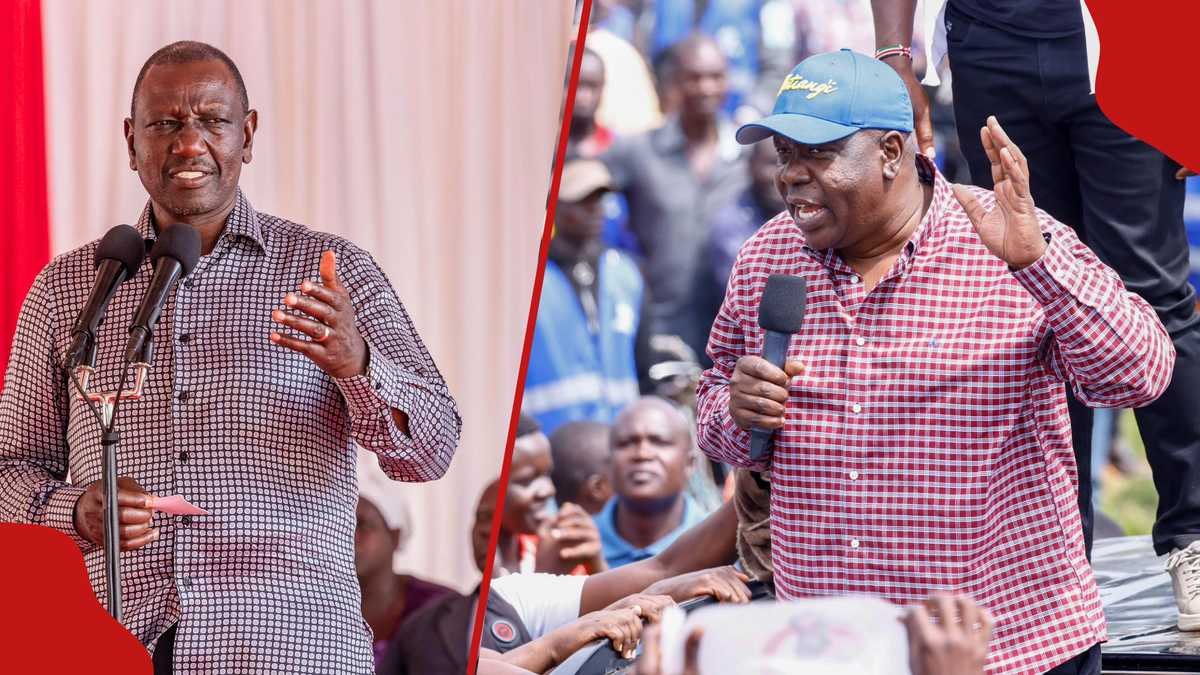
Former Interior Cabinet Secretary Fred Matiang'i has accused President William Ruto of giving Kenyans a false picture of how the 2026 national examinations were printed. He argues that available records show the materials were imported from Greece rather than produced locally.
According to Tuko, Matiang'i questioned the government's version of events, which holds that Kenya has stopped relying on foreign firms to print its national examinations.
The President's claim
In his State of the Nation Address on November 18, President Ruto said that, for the first time in 65 years, the country had printed its national examination papers locally.
He described the move as a significant milestone. He said it had saved taxpayers about KSh1.5 billion.
Matiang'i's challenge adds to growing scrutiny of that announcement.
The Greece shipment
Tuko reports that police records show a consignment of about 71.3 tonnes landed at Jomo Kenyatta International Airport on October 3. It arrived on a Magma Aviation flight from Athens.
General Service Unit officers reportedly guarded the cargo on arrival before it was taken to secure storage.
The shipment has since become the centre of the dispute. It is not clear whether the cargo contained examination papers, other examination-related supplies or materials linked to a separate process.
Procurement kept under wraps
The row has also renewed attention on how the printing of the 2026 examinations was procured.
Busia Senator Okiya Omtatah had earlier asked the Kenya National Examinations Council (KNEC) for details of the procurement process.
KNEC Chief Executive Officer David Njengere declined to release the information. He cited national security and the need to protect the integrity of the examinations.
Njengere said the printing procurement had been classified. He explained that the list of items proposed for classification was submitted through the Ministry of Education in December 2025. The Cabinet approved it in April 2026.
No explanation yet
The government has not publicly explained the apparent gap between the President's statement on local printing and the records showing examination materials arriving from Greece, according to Tuko.
The questions touch on one of the country's most sensitive public processes. National examinations determine the progression of hundreds of thousands of learners each year, and their security has long been a matter of public concern.
Matiang'i's intervention is likely to increase pressure on the Ministry of Education and KNEC. They face calls to clarify what was in the October consignment and how the printing contract was handled.
Until officials respond, it remains unclear how the imported cargo relates to the government's local printing claim. It is also unclear whether the KSh1.5 billion savings figure cited by the President holds up.
This story was prepared by the Hamasta Newsdesk with AI assistance, based on reporting by Tuko. Read the original report. Photo: Tuko.


Take your event live to thousands.
Multi-camera live streams, panel discussions and digital broadcasts with professional crews.



More in Politics
See all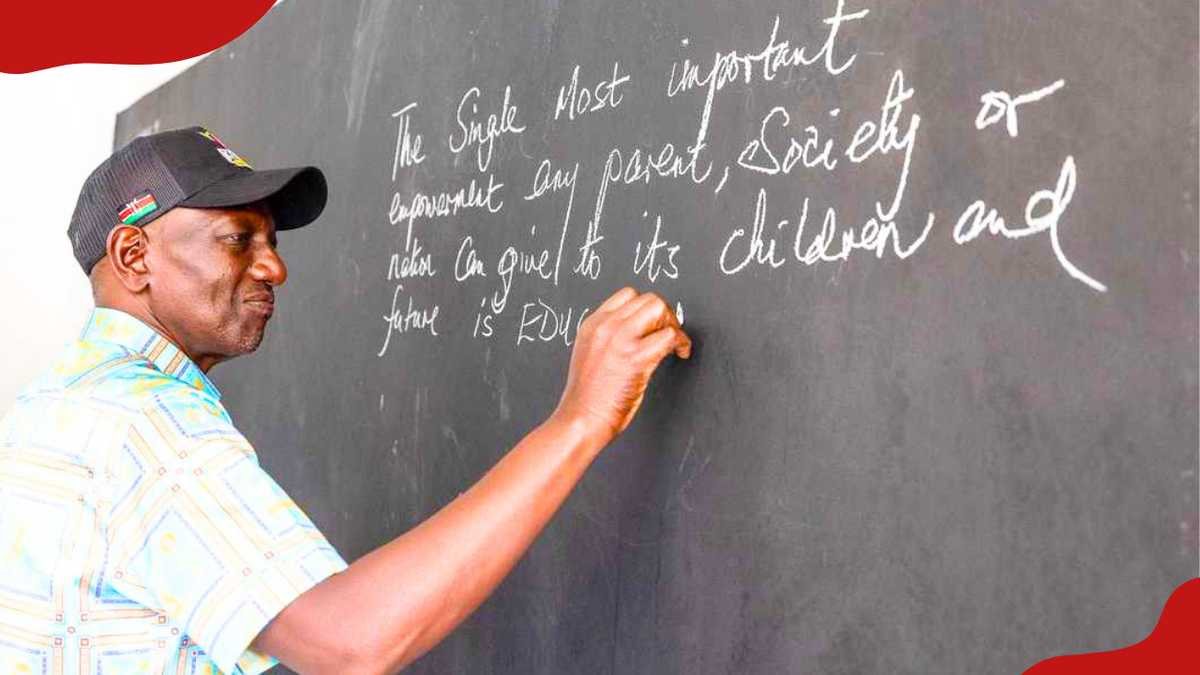
Kenya prints national exam papers locally for first time in 65 years, Ruto says
Teachers Prepare for 2026 National Examinations as TSC and KNEC Begin Deployment Plans

NO TO OPPRESSION: Former Interior CS Fred Matiang'i Rallies Jubilee, Kenyans to Reject Finance Bill 2026

Bishop Margaret Wanjiru Endorses Fred Matiang’i for Presidency as She Eyes Nairobi Governor Seat
KNEC releases July 2026 TVET business and technical exam results, sets December 7 query deadline
Global Community Remarks
0