
Uganda rejects SICPA tax stamp extension, turning spotlight on KRA deal
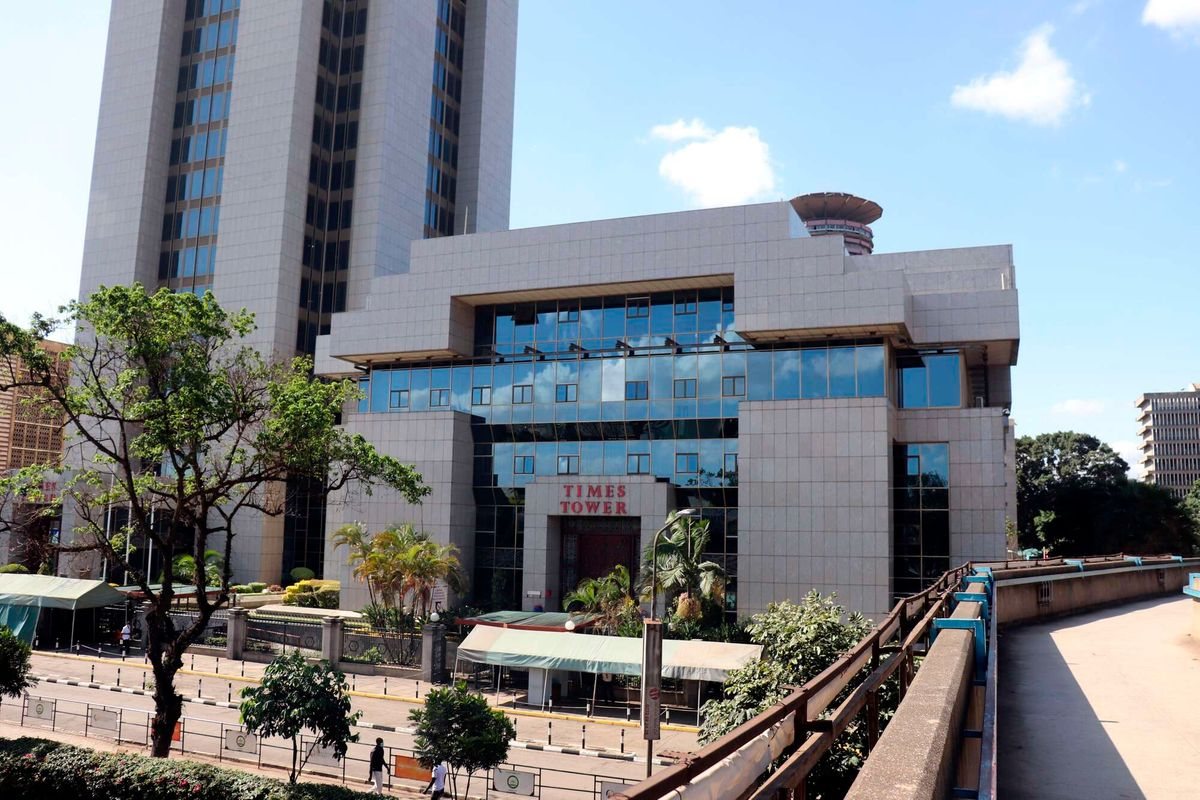
Uganda has turned down a request by Swiss security printer SICPA SA to extend its digital tax stamp contract, citing high stamp prices. The decision has put the spotlight on Kenya's similar arrangement with the same company, according to Business Daily.
The Kenya Revenue Authority (KRA) also relies on SICPA to produce excise stamps, under a deal that runs until April next year.
Museveni wants contract to run its course
In a letter dated October 19, 2026, addressed to SICPA chairman and chief executive Philippe Amon, Ugandan President Yoweri Museveni declined the firm's request for a five-year extension of its contract with the Uganda Revenue Authority (URA).
Mr Museveni said the deal, which expires in April 2027, should be allowed to reach its end before URA reviews its performance, value for money and the effect of stamp costs on manufacturers and importers.
He said URA had told him the contract had been marked by high digital stamp prices.
"Such high costs increase production expenses, reduce profit margins or force evasion of taxes," Mr Museveni wrote.
According to the letter, the review should guide talks aimed at securing much lower and competitive prices. Should the two sides fail to agree, the Ugandan government could open the contract to fresh bids.
Tanzania goes back to market
Tanzania has already invited new bids for its electronic tax stamp system ahead of the January 2027 expiry of its contract with SICPA Tanzania Limited. The tender follows long-running complaints from manufacturers about the cost of using the system and operational difficulties. SICPA is still eligible to compete for the new contract.
The moves by Kenya's neighbours add pressure on Nairobi, where makers of excisable goods such as alcohol, tobacco, soft drinks and cosmetics have long protested over the cost of digital tax stamps.
A complicated history in Kenya
KRA awarded SICPA the Excisable Goods Management System (EGMS) contract in 2015, with the framework agreement signed on October 30 that year. The deal, valued at between Sh15.9 billion and Sh17.1 billion, covered the printing and supply of secure revenue stamps with track-and-trace technology.
The system was first applied to alcoholic drinks, including beer, wine and spirits. In March 2021 it was extended to non-alcoholic products such as cosmetics, fruit juices and sodas.
The original agreement was meant to last five years, subject to the supply of 12.88 billion stamps. KRA and SICPA were then expected to complete a handover of the system, with the Swiss firm staying on to provide maintenance support.
An addendum provided that, after handover, the aggregated stamp price would not exceed €6.63 per 1,000 stamps, or no more than half the going rate for a comparable solution.
Sh4.5 billion debt clouds price cuts
The expected reduction in costs has been complicated by a Sh4.5 billion debt that KRA built up with the contractor, Business Daily reports.
In May 2024, then KRA Commissioner-General Humphrey Wattanga told Parliament that SICPA accounted for most of the authority's pending bills, and sought Treasury funds to pay the amount.
The debt has since become central to proposals to raise stamp charges. Former Treasury Cabinet Secretary Njuguna Ndung'u reportedly told manufacturers at a meeting that stamps needed to be priced in a way that would allow KRA to clear the arrears, whose value had been affected by inflation and currency movements.
The revised charges more than tripled the cost of some stamps.
This story was prepared by the Hamasta Newsdesk with AI assistance, based on reporting by Business Daily. Read the original report. Photo: Business Daily.




Know what people say about you.
Media monitoring, audience insights and strategic communication for your brand.


More in Business
See all
Mbadi Orders Review of PAYE, VAT, Fuel Excise and Corporate Tax Ahead of Finance Bill 2027
KRA rejects KenGen's Sh6bn tax break claims on power plant investments

KRA warns businesses, landlords and digital firms of November 20 tax deadline

KRA wins 52pc of tax disputes as firms falter on records and deadlines
KRA fights Sh139bn in disputed tax claims against multinational companies

Global Community Remarks
0