
European rights court says states may turn back migrants, with limits
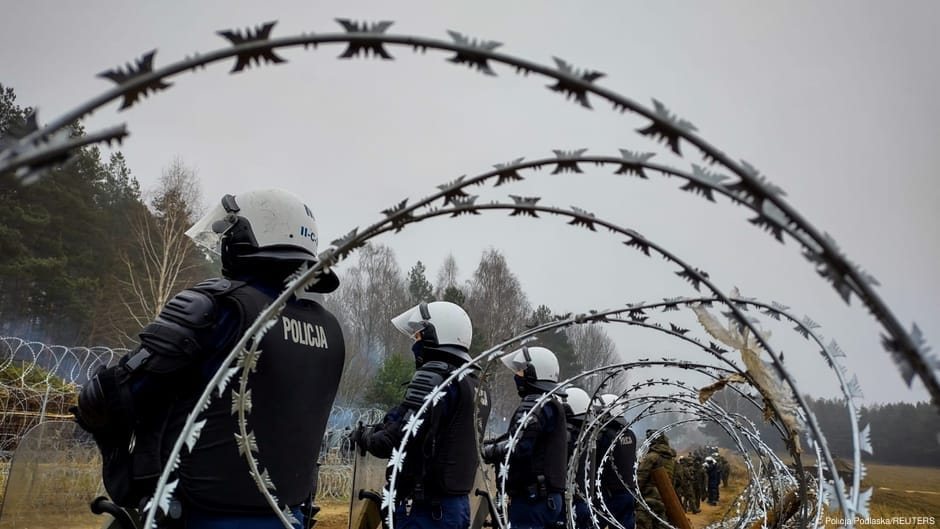
Europe's highest human rights court has ruled that countries may turn back migrants at their borders, including when migration is being used as a pressure tactic, but only if those people have not been identified as being at risk of ill-treatment, according to DW News.
The European Court of Human Rights delivered the decision on Tuesday. It affirmed that the 46 member states of the Council of Europe have a right to control the entry of foreign nationals into their territory, while stressing that they must continue to uphold human rights even in what it described as hostile conditions.
The Council of Europe brings together all European Union countries as well as several non-EU states, and works to promote democracy and human rights across the continent.
A case rooted in the Belarus border standoff
The ruling stems from a case involving nationals of Afghanistan, Iraq and Cuba who tried to enter Poland, Latvia and Lithuania between 2021 and 2022, DW News reported.
That period was marked by a tense standoff between Belarus and the EU's eastern members. Belarus was accused of deliberately creating a migration crisis to pressure the bloc, arranging for people from various third countries to travel to its territory and then directing them towards EU frontiers.
The court described Belarus' actions in 2021 as an example of the "instrumentalization of migration".
The migrants who brought the case said they had been violently stopped from crossing into the EU, that their asylum claims were never examined, and that their human rights had been violated.
What the court decided
In its press release, the court said that where migration is being instrumentalised, sending a foreign national back to the state responsible would not in itself breach Article 3 of the European Convention on Human Rights, which bans torture and inhuman or degrading treatment.
However, the judges made clear that this does not remove states' obligations. Key points of the ruling include:
- States retain the right to control the arrival of foreign nationals, even when migration has been weaponised by another state.
- Authorities must still protect migrants from inhuman or degrading treatment.
- During a surge in arrivals, national authorities must still identify individuals who are particularly vulnerable to suffering or ill-treatment.
The court also ordered Poland, Latvia and Lithuania to pay compensation over their treatment of migrants at the EU's external borders with Belarus, according to DW News.
DW News noted that the judgment is complex, as it attempts to balance border control during a deliberately engineered crisis against the protection of individual rights.
Rwanda 'return hub' plan draws concern
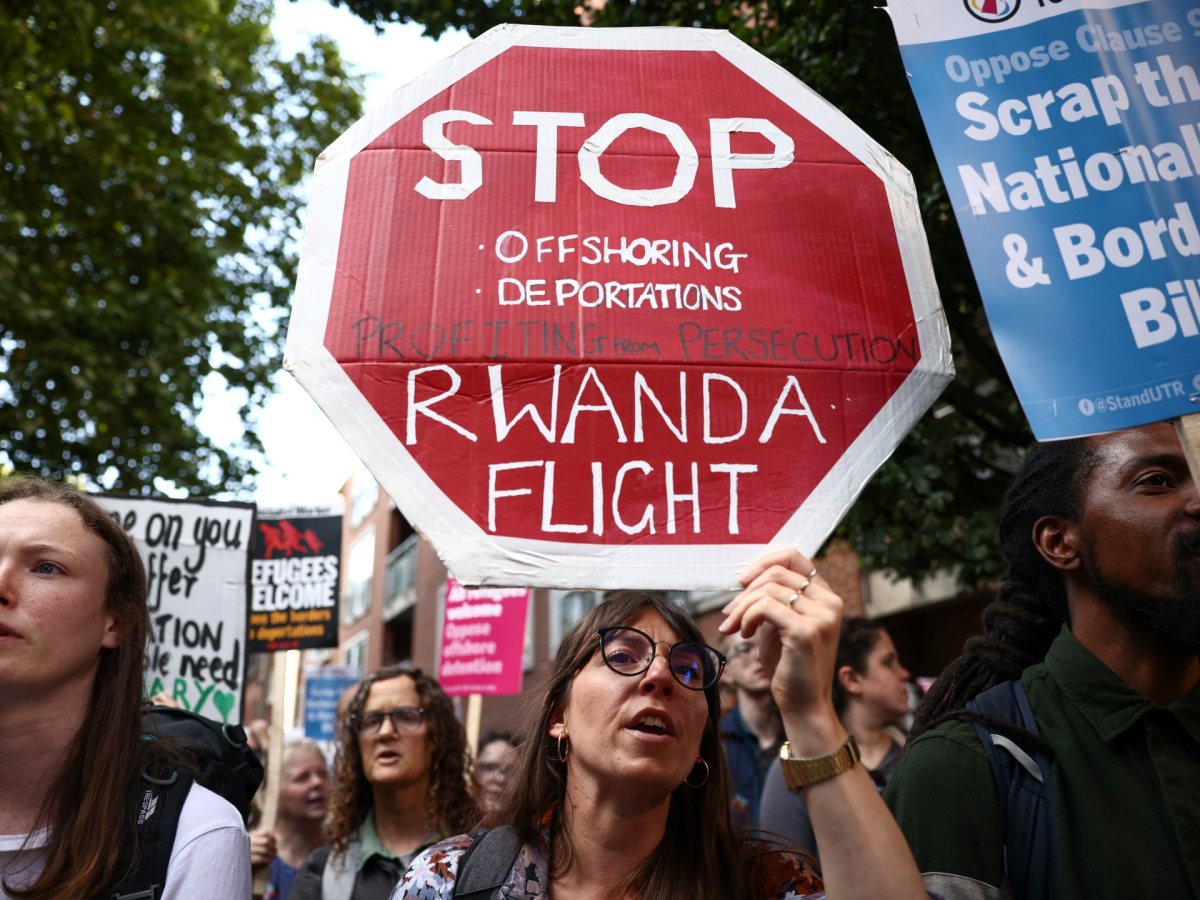
The ruling comes shortly after five EU countries announced last week a plan with Rwanda to set up a so-called return hub in the East African nation.
The facility would house rejected asylum seekers while they wait to be sent back to their countries of origin.
The project has raised concerns, DW News reported, because Rwanda ranks low on human rights measures, and questions remain over whether the rights of those sent there would be adequately protected.
The developments underline a wider shift in European migration policy towards tighter border management and the use of partner countries, including in Africa, to process or hold people who are refused entry.
This story was prepared by the Hamasta Newsdesk with AI assistance, based on reporting by DW News. Read the original report. Photo: DW News.





Show the impact of your work.
Impact stories, campaign videos and community engagement for NGOs and programmes.

More in International
See all.jpeg)
Kenyan woman dies, another missing after migrants pushed back at Belarus-Latvia border

HRW warns European plan for Rwanda deportation hub risks breaching international law

Five EU nations set to unveil Rwanda 'return hub' for rejected asylum seekers
Five EU states plan Rwanda deportation hub as critics warn of rights 'black hole'

Poland accuses Russia of 'provocation' after three overnight airspace violations

Global Community Remarks
0