
WHO chief Tedros calls for end to US fuel blockade on Cuba as health system strains
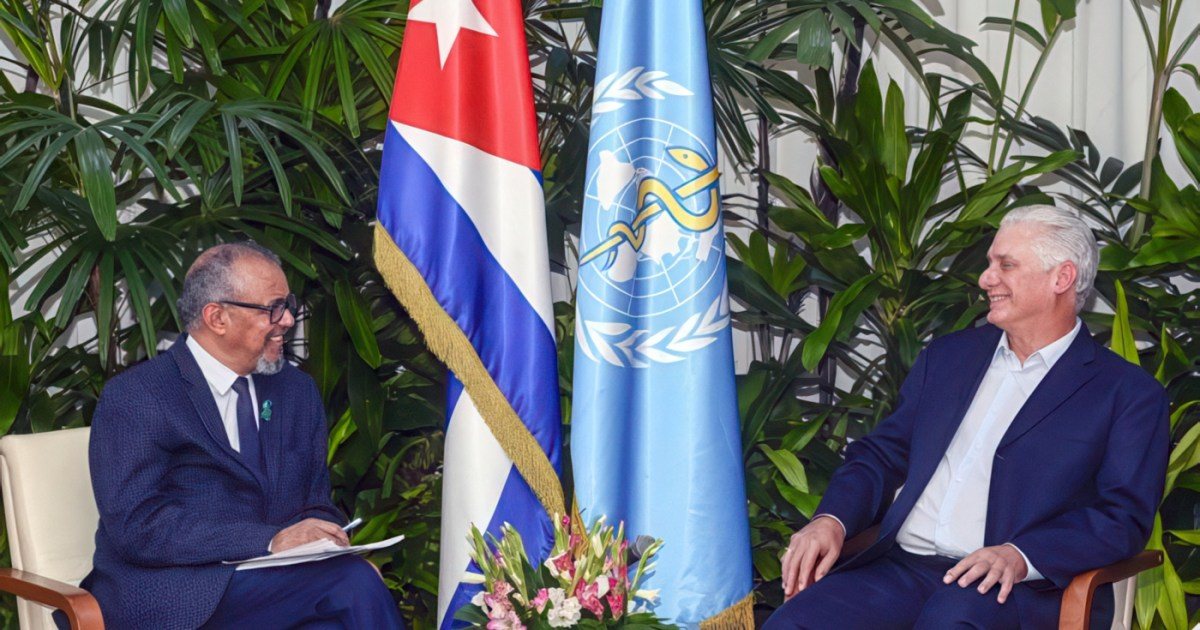
The head of the World Health Organization, Tedros Adhanom Ghebreyesus, has called on the United States to lift its fuel blockade on Cuba, warning that the measures are putting the lives of children at risk and eroding a healthcare system long regarded as one of the island's proudest achievements, according to Al Jazeera.
Tedros made the appeal on Tuesday during a three-day visit to Cuba, which included tours of several health facilities in the capital, Havana.
"The intensification of fuel restrictions and sanctions is causing direct harm to the Cuban people," he said, adding that the most vulnerable were hardest hit.
$2m pledge for vaccines and equipment
During the visit, the WHO chief announced that the UN health agency would provide $2m to bolster Cuba's national immunisation programme and supply essential medical equipment to healthcare facilities across the country.
Tedros also held talks with Cuban President Miguel Diaz-Canel on Tuesday on the country's health needs. In a post on X, he said the two had agreed on the need to put essential health services and time-sensitive interventions first, with a particular focus on children.
He wrote that fuel restrictions and sanctions affecting the purchase of medical products were severely undermining a health system built by Cuban doctors over decades.
Falling life expectancy
Speaking at a news conference, Tedros said life expectancy in Cuba had dropped from 78.8 years in 2020 to 74.4 years in 2025. He described it as the first decline since records began in 1950.
However, the 2025 figures were recorded before the administration of US President Donald Trump imposed the fuel blockade in January, alongside tough sanctions on a number of Cuban officials and entities.
The Cuban government says the measures have led to daily power cuts lasting 20 hours or more, critical shortages of medicines and surgical supplies, and a worsening of health indicators such as infant mortality rates.
UN warnings and US position
The United Nations has repeatedly warned of a deepening humanitarian crisis on the island, describing the US blockade as a breach of international law and of the human rights of all Cubans.
Washington, for its part, says the energy blockade is meant to push for political change in Cuba. US officials maintain that exports of food and medicine to the island are covered by legal exemptions.
The wider US embargo on Cuba has been the subject of an annual non-binding resolution at the UN General Assembly calling for it to end. The resolution has passed by wide margins in Cuba's favour every year since 1992.
Tedros's visit adds the voice of the world's top health official to growing international concern over conditions on the island, where shortages of fuel and medical supplies continue to strain hospitals and clinics.
This story was prepared by the Hamasta Newsdesk with AI assistance, based on reporting by Al Jazeera. Read the original report. Photo: Al Jazeera.
Every moment, captured beautifully.
Events, corporate portraits, products and editorial shoots by our newsroom photographers.






More in International
See all
Iran vows to use 'all available means' against renewed US naval blockade
WHO chief urges peace as fighting near Ituri hospital disrupts DR Congo Ebola response

Senegal U17s hammer Cuba 9-0 to top Group F at FIFA Under-17 World Cup
Attackers kill nurse responding to Ebola alert in DR Congo as WHO warns 'health is not a target'
US maritime agency memo flagged Iran blockade's role in soaring Gulf shipping costs
Global Community Remarks
0