
Kenya Seeks Specialist Training Slots for Doctors in Pakistan Under New Health Plan
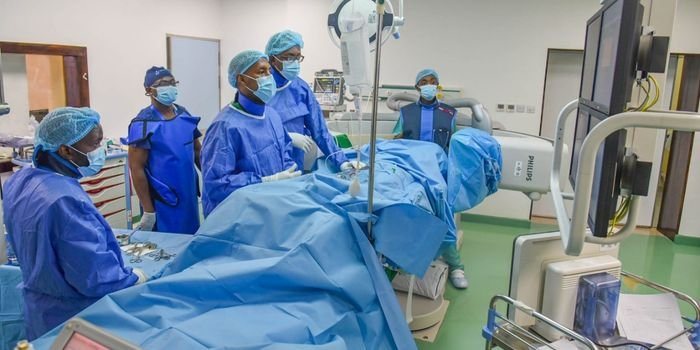
Kenya is seeking to send medical fellows to specialised training institutions in Pakistan as part of a wider health partnership aimed at easing the country's shortage of specialist doctors, according to Kenyans.co.ke.
Health Cabinet Secretary Aden Duale tabled the proposal during bilateral talks with Pakistan's Federal Minister for National Health Services, Regulations and Coordination, Syed Mustafa Kamal. The meeting took place at Aga Khan University on Wednesday, November 25, 2026, while Duale was on an official visit to Karachi.
The training plan is intended to tackle workforce gaps in specialist care, with oncology and nephrology singled out as priority areas. According to the CS, the placements would begin in January 2027.
Three-pillar framework
Kenya has put forward a cooperation framework resting on three pillars:
- Regulatory cooperation
- Pharmaceutical manufacturing
- Specialist training
Duale called for the partnership to be formalised with clear priorities and accountability. The two countries are working to conclude a Health Memorandum of Understanding that has been under discussion since 2021.
The engagement forms part of a broader push for what the ministry describes as a structured and mutually beneficial government-to-government health partnership between Nairobi and Islamabad.
Medicines trade already significant
Talks also touched on pharmaceutical trade between the two nations, which is already substantial. Some 247 medicines made in Pakistan are registered for sale in Kenya, accounting for roughly Ksh1.4 billion in annual imports.
In addition, 26 Pakistani manufacturing plants have been awarded Good Manufacturing Practice certification by Kenya's Pharmacy and Poisons Board (PPB).
Under the regulatory pillar, the proposal envisions closer collaboration between the PPB and the Drug Regulatory Authority of Pakistan, including information sharing and joint inspections. The goal is to improve access to safe and quality-assured medicines.
Push for local production
On manufacturing, Duale urged Pakistani drug makers to consider setting up operations in Kenya's industrial parks and Special Economic Zones. He pitched the move as a way to boost local production, encourage technology transfer and support industrial growth.
The government hopes such investment will help position Kenya as a regional hub for manufacturing and exporting medicines to the East African Community and the wider African Continental Free Trade Area market.
Part of wider workforce drive
The Pakistan initiative is one of several partnerships the Ministry of Health has been pursuing with foreign governments and organisations to strengthen Kenya's medical workforce.
On November 10, Principal Secretary for Medical Services Dr Ouma Oluga hosted a health sector delegation from the US state of Minnesota at Afya House. The team was led by Kenyan-born Minnesota state legislator Rep. Huldah Momanyi-Hiltsley.
Those talks explored collaboration in health workforce training, specialised skills development, professional exchanges, simulation-based learning and structured international workforce mobility.
Oluga briefed the delegation on ongoing reforms in the health sector, including sustainable financing, quality service delivery, access to health products and technologies, and digital transformation. He named geriatric medicine and long-term care as priority areas for knowledge exchange.
Momanyi-Hiltsley welcomed the proposal, stressing that partnerships should go beyond recruiting health workers to include skills transfer, digital health systems and better service delivery.
The PS reaffirmed the ministry's commitment to partnerships that build institutional capacity, widen professional opportunities and improve healthcare services for Kenyans.
This story was prepared by the Hamasta Newsdesk with AI assistance, based on reporting by Kenyans.co.ke. Read the original report. Photo: Kenyans.co.ke.

Tell your story on screen.
Commercials, documentaries, interviews and social video, from script to final cut.





More in Health
See all
Taliban accuse Pakistan of backing armed groups opposed to their rule

Doctors to get KSh 76m in salary arrears after KMPDU talks with Health ministry
Duale asks World Bank to speed up delayed Sh43.5 billion health projects
SHA to stop paying medicine claims unless patients confirm receipt, Duale says
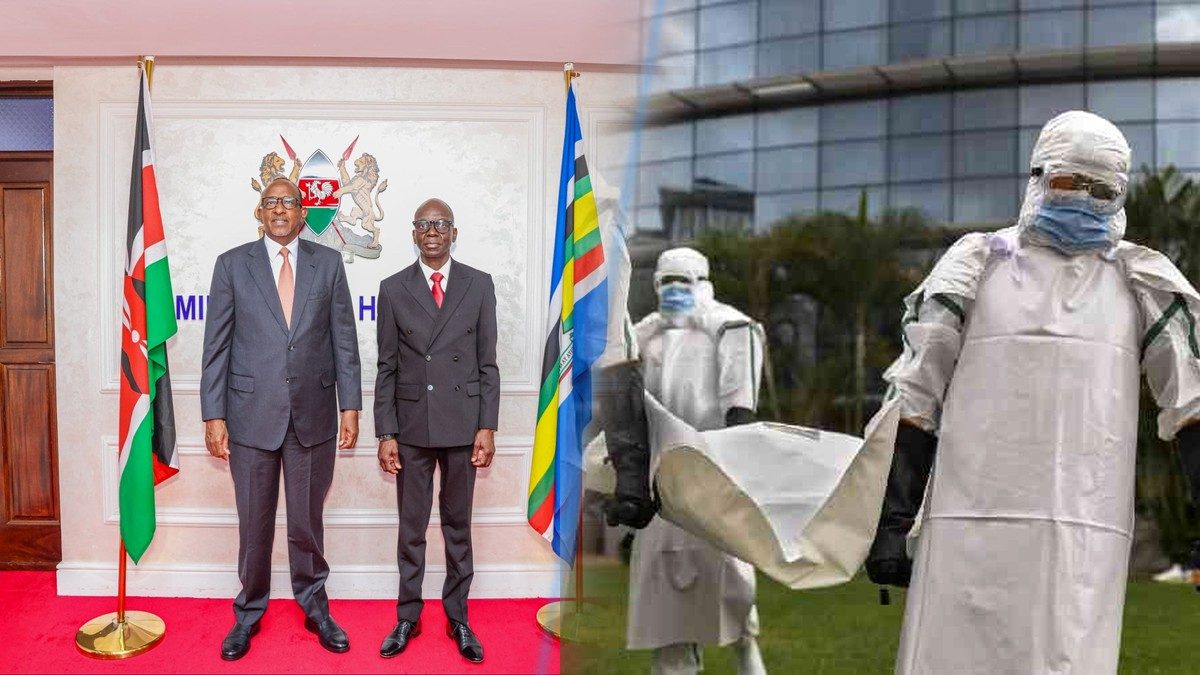
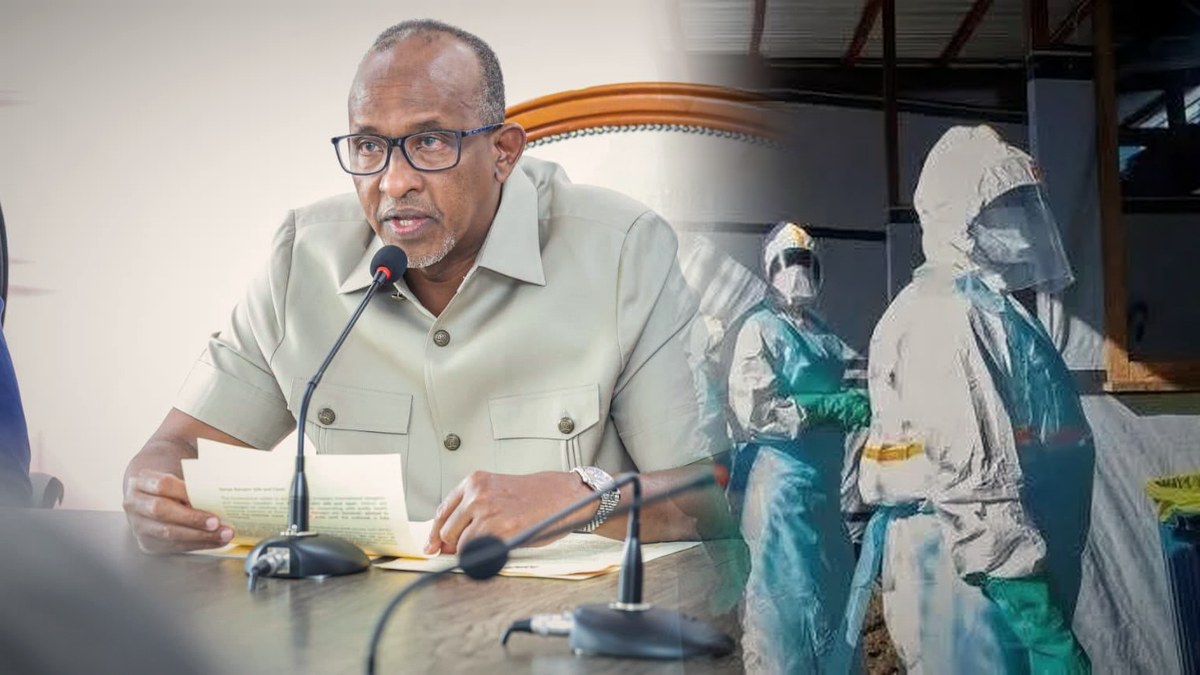
Three weeks without a new Ebola case, yet still facing travel bans: Duale asks WHO to step in as Kenya edges towards the 42-day finish line
Global Community Remarks
0