
Three weeks without a new Ebola case, yet still facing travel bans: Duale asks WHO to step in as Kenya edges towards the 42-day finish line

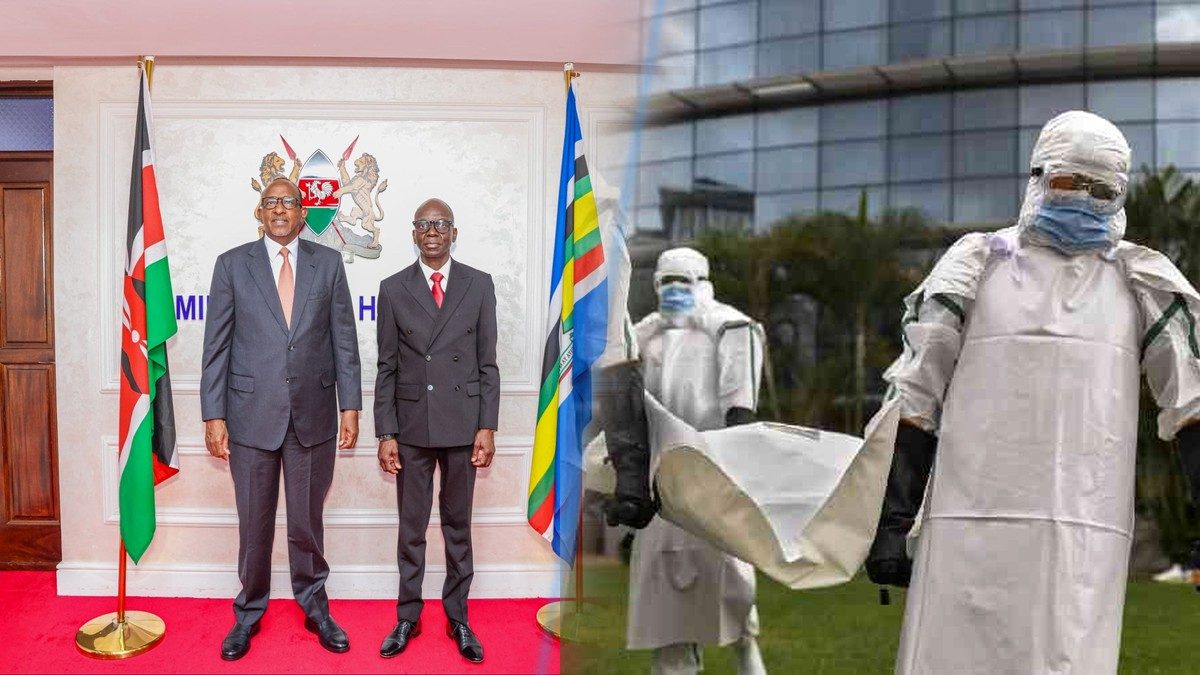
Kenya has gone three straight weeks without a single new confirmed Ebola infection, yet Kenyan travellers are still being shut out by some countries. Health CS Aden Duale now wants the World Health Organization to push back.
Duale raised the issue on Monday during talks in Nairobi with a WHO delegation led by Regional Director for Africa Prof Yakub Janabi, as the two sides reviewed the response to the Bundibugyo Ebola outbreak.
"Countries that report outbreaks transparently should be supported, not penalised for meeting their international obligations," Duale said, according to The Standard.
Where the outbreak stands
According to the Ministry of Health, the outbreak that began on October 6 has so far recorded:
- nine confirmed cases, all linked to a single cluster from one imported case;
- six patients recovered and discharged;
- two deaths; and
- one patient still under treatment.
There is no evidence of community transmission. Officials are preparing for the 42-day countdown required before the outbreak can be declared over. Earlier reports from the ministry indicated that the clock starts only once the last patient tests free of the virus and is discharged, and only if no new infections are confirmed in the meantime.
The response figures are significant. More than 772,000 travellers have been screened at 28 points of entry, five designated laboratories have tested 736 samples and more than 7,300 health workers have been trained.
The fight over travel bans
In a statement after the meeting, the ministry said Duale expressed concern over blanket travel bans and visa restrictions imposed by some countries, and called for WHO's engagement to ensure measures follow scientific evidence and the International Health Regulations.
People Daily reported that Saudi Arabia is among the countries that have imposed Ebola-related restrictions on Kenya. On November 3, the Africa Centres for Disease Control and Prevention called for such restrictions to be reviewed and lifted, saying measures should match the actual public health risk.
WHO itself has advised against restricting international travel and trade over the outbreak, recommending targeted screening at points of entry, surveillance and cross-border preparedness instead.
Duale argued that Kenya had been open throughout, reporting cases promptly, sharing surveillance data and genomic sequences and following WHO guidance.
What WHO has given, and what Kenya still wants
WHO's support so far includes response supplies and protective equipment, help validating Kenya's filovirus surveillance procedures, 12 portable PCR machines and a 28-bed Ebola Treatment Unit. The two sides agreed to carry out an After-Action Review to identify gaps once the response winds down.
Kenya is asking for more test kits and reagents, more technical training and stronger isolation and treatment facilities in high-risk counties.
Duale also warned against complacency, calling for continued screening at borders, quick investigation of every alert and proper funding for frontline teams until the outbreak is officially declared over.
Photos: People Daily / Ministry of Health on X (CS Aden Duale with WHO Africa Regional Director Prof Yakub Janabi); The Standard / AFP (Kenya Red Cross Ebola simulation in Nairobi). Thumbnail design: HAMASTA MEDIA.


Take your event live to thousands.
Multi-camera live streams, panel discussions and digital broadcasts with professional crews.




More in Health
See all
Only 19% of Kenyan women have ever been screened for cervical cancer, KNBS survey shows
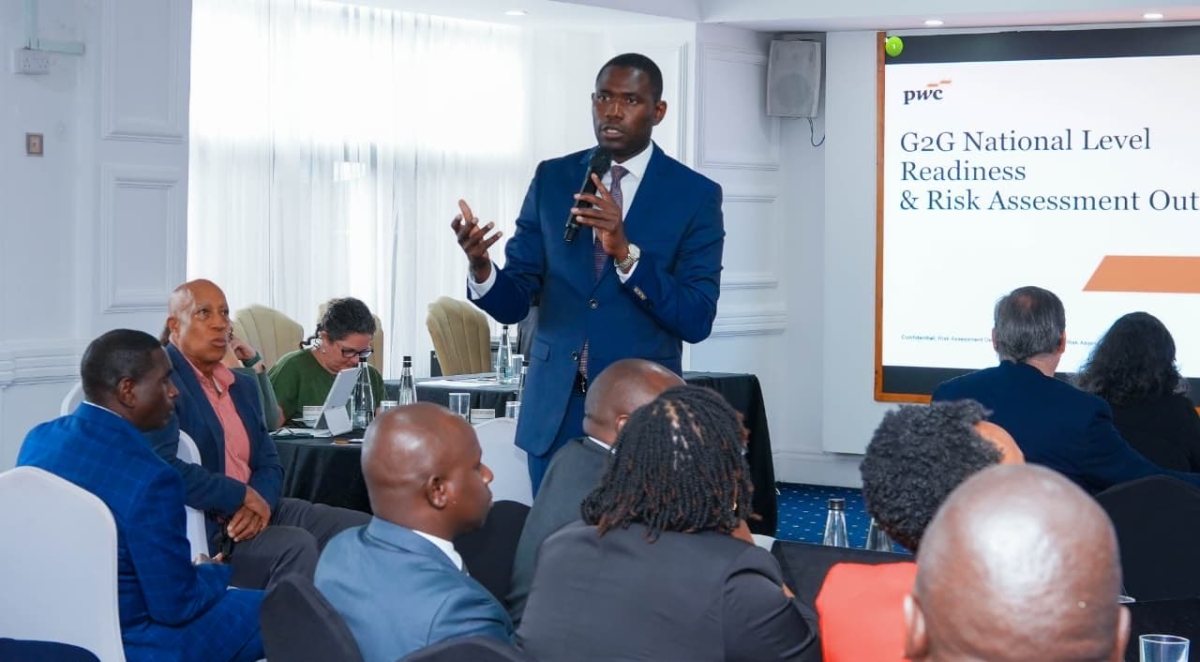
Kenya–US health deal: PS Oluga calls for shared ownership as framework is finalised
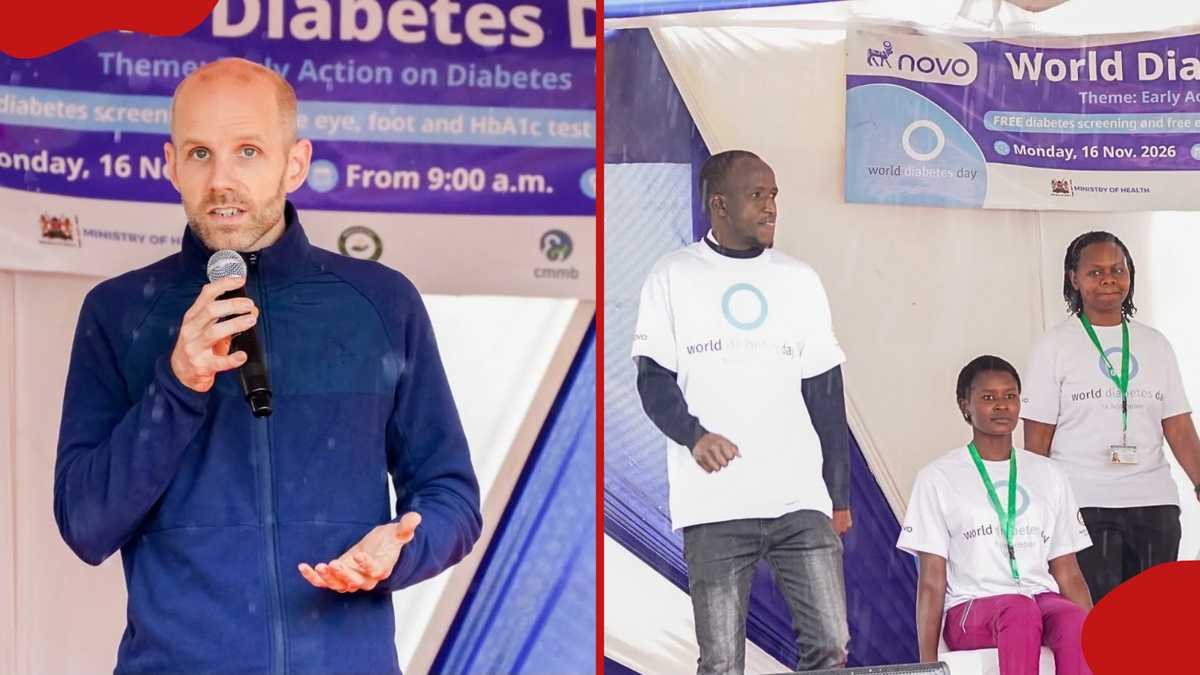
Mbagathi Hospital expands diabetes clinic to five days a week
Congo's Ebola outbreak still out of control six months on, with over 11,000 cases
435,700 Kenyans have diabetes and don't know it: Doctors push free screening as survey finds only 7 in 100 at-risk adults think it could happen to them
Eight infected in Kenya, none in Nigeria: Pathologist Ahmed Kalebi wants answers on why Ebola spread from one patient here, including to four health workers
Global Community Remarks
0