
EPRA begins community talks in Turkana as drilling starts at Amosing oil field
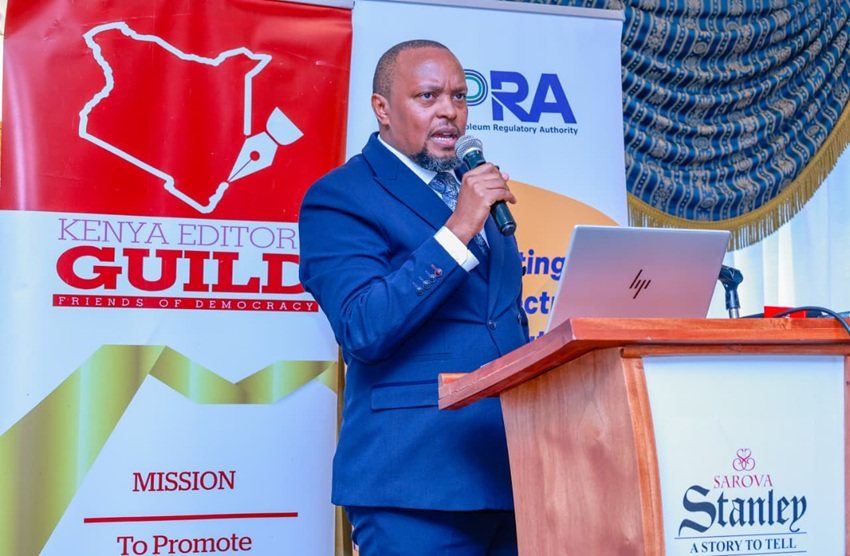
The Energy and Petroleum Regulatory Authority (EPRA) has opened public engagement sessions with residents of Turkana County's South Lokichar Basin, aiming to explain the oil exploration and production work now taking place in blocks T6 and T7, KBC reports.
The meetings, held with other stakeholders, come after Parliament approved the oil project, clearing the way for Gulf Energy E&P B.V. to begin drilling in the area. According to KBC, drilling is already under way at the Amosing Oil Field.
Community 'must be adequately informed'
EPRA Director General Edward Kinyua said the development of petroleum resources should bring economic and social gains for the country while protecting the interests of the communities that host them.
He told residents that, as Kenya moves towards its first oil from Lokichar, local people needed to understand what was happening on the ground and be given room to voice their concerns.
Kinyua said the discussions were intended to make the project transparent and to ensure that those involved complied with regulations and standards.
"We want to see petroleum resources developed responsibly, with tangible benefits for the people of Turkana and the country," Kinyua said.
Production targets
According to KBC, the first phase of the project is designed to deliver 20,000 barrels of oil per day over the next five years. Output is expected to rise to 50,000 barrels per day in later phases.
The South Lokichar Basin is estimated to hold up to four billion barrels of oil. The current work is concentrated on three fields: Amosing, Ngamia and Twiga.
Jobs and local participation
The project is expected to create jobs for local residents, attract fresh investment into the oil sector and open opportunities for Kenyans to gain technical skills. Kenyan businesses are also expected to take on a bigger role across the petroleum value chain.
Kinyua stressed that close coordination between the national government, the Turkana County Government, the project operator and local institutions would be key to turning these opportunities into lasting socio-economic benefits for host communities.
Regulatory oversight
EPRA said it was continuing to supervise the project through technical audits and environmental monitoring. The regulator said it was working with other government agencies, among them the National Environment Management Authority (NEMA) and the Turkana County Government.
These measures, according to EPRA, are meant to check compliance with relevant laws, environmental standards, operational requirements and health and safety obligations.
The engagement marks a significant step for Kenya's long-awaited oil ambitions in Turkana, where discoveries in the South Lokichar Basin have for years raised hopes of commercial production. The regulator has not indicated how many further community sessions are planned.
This story was prepared by the Hamasta Newsdesk with AI assistance, based on reporting by KBC. Read the original report. Photo: KBC.



Grow an audience that listens.
Social media management, digital campaigns and online storytelling that converts.



More in Business
See all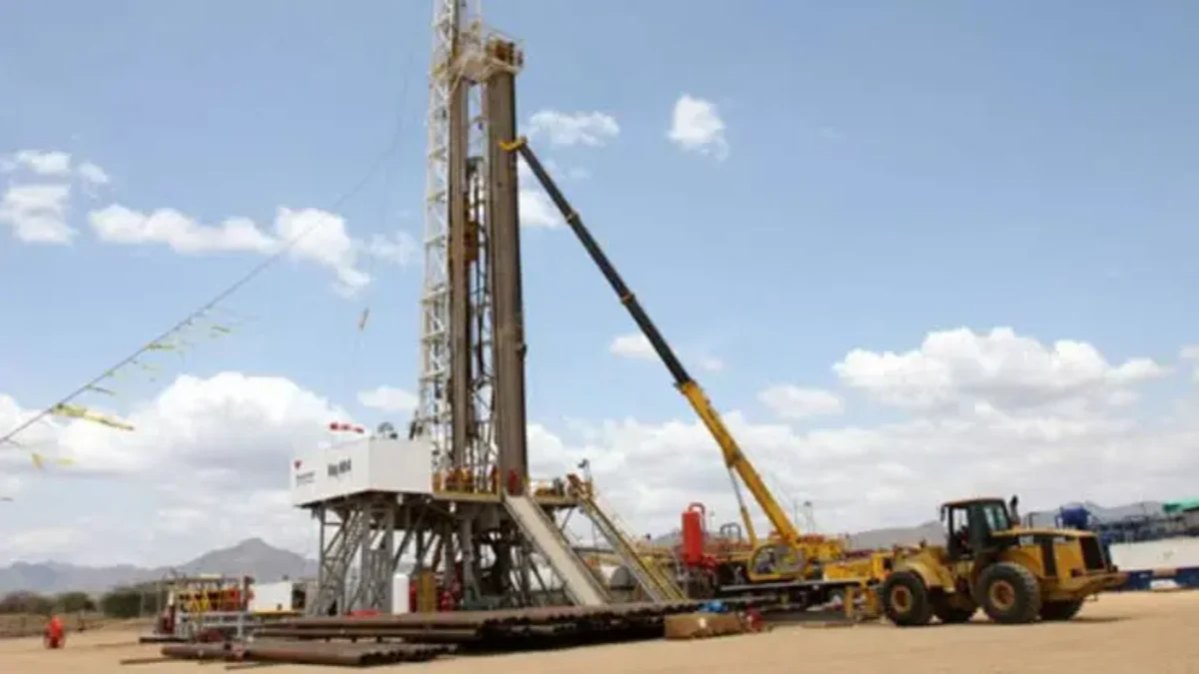
Kenya begins drilling at Turkana oil fields, targets first oil on 1 December
Kenya to switch on South Lokichar oil rig as crude trade name list narrows to four

Gulf Energy opens 34 oil jobs in Turkana and Nairobi for Kenyan citizens

From Rhetoric to Rigs: Kenya Greenlights Turkana Oil Drilling as Ruto’s ‘Self-Sufficiency’ Vision Takes Shape
State House Seeks Extra Ksh8.43bn, Pushing 2027/28 Budget Need to Ksh23.57bn
Global Community Remarks
0