
High Court halts US-backed Ebola facility at Laikipia Air Base over secrecy

The High Court has stopped construction and operation of a proposed US-backed Ebola treatment facility at Laikipia Air Base. The court found that the government violated the Constitution by setting up the project in secrecy, without public participation and without disclosing key documents.
Justice Patricia Nyaundi delivered the judgment on Thursday at the Milimani High Court, according to The Standard. She barred further works on the facility until Health Cabinet Secretary Aden Duale releases the required project documents within 45 days and the court is satisfied that he has complied.
Emergency no excuse, judge says
The judge found that the Ministry of Health had failed to uphold the national values of transparency, accountability and public participation. She said this contravened Article 10 of the Constitution.
She accepted that the government has a constitutional and legal mandate to respond to public health threats such as Ebola outbreaks. However, she said those powers remain subject to the Constitution. The urgency of a health emergency could not be used to keep a project secret or to shut out residents from decisions affecting their safety.
"Emergencies may demand urgency, but they do not suspend Constitutional obligations," Justice Nyaundi ruled.
The court questioned why the county government and residents had not been properly informed, given that the government had acknowledged the facility was being set up within the air base.
Undisclosed agreements and assessments
The judge was particularly concerned that the respondents had not disclosed the terms of any agreement, memorandum, arrangement or negotiations relating to the facility.
According to The Standard, the government also failed to provide information on:
- public health, environmental, biosafety and security assessments carried out;
- approvals from Parliament and relevant regulatory agencies;
- protocols for admitting, handling, isolating and treating exposed persons.
Justice Nyaundi said residents living near the proposed facility were entitled to know how it would operate. She said they should receive credible assurances, supported by disclosed assessments and protocols, that their safety and health concerns had been addressed.
She compared the exclusion of residents to leaving them outside sealed windows while decisions about their community were made. She added that public participation was a constitutional requirement, not an administrative courtesy.
Right to information breached
The court also found that the government had violated Article 35(3) of the Constitution by failing to publish important information affecting the nation. The judge said access to information was essential for citizens to take part in public affairs, hold institutions accountable and enforce their other rights.
The government and the Ministry of Health had argued that the petition was premature. They said the petitioners should first have used alternative dispute resolution through the Commission on Administrative Justice. The judge rejected this argument. She found that the case raised constitutional questions about fundamental rights that the alternative mechanism could not adequately resolve.
Final orders
The court issued an order of mandamus compelling the Health CS to make the required documents and information public within 45 days.
It also issued an order of prohibition barring the CS from carrying out further works or operationalising the facility until the court certifies that the disclosure requirements have been met.
The case was filed by Katiba Institute. It was consolidated with a petition by the Law Society of Kenya challenging the proposed Kenya-US arrangement to establish the Ebola facility.
This story was prepared by the Hamasta Newsdesk with AI assistance, based on reporting by The Standard. Read the original report. Photo: The Standard.


Take your event live to thousands.
Multi-camera live streams, panel discussions and digital broadcasts with professional crews.




More in Crime & Justice
See all.jpeg)
KMPDU Issues 48-Hour Ultimatum Over Controversial U.S.-Kenya Ebola Quarantine Facility at Laikipia Air Base
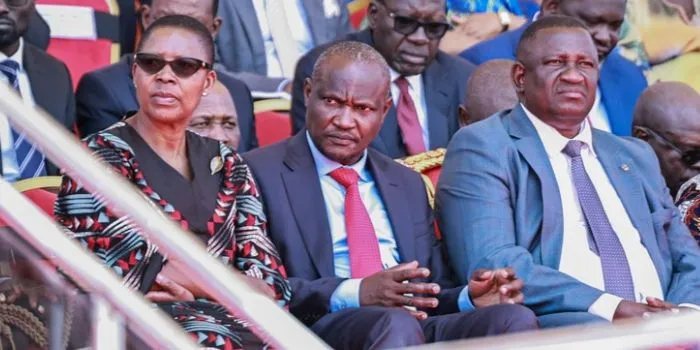
High Court Finds CS Mbadi and AG Oduor in Contempt Over Sovereign Bond Secrecy
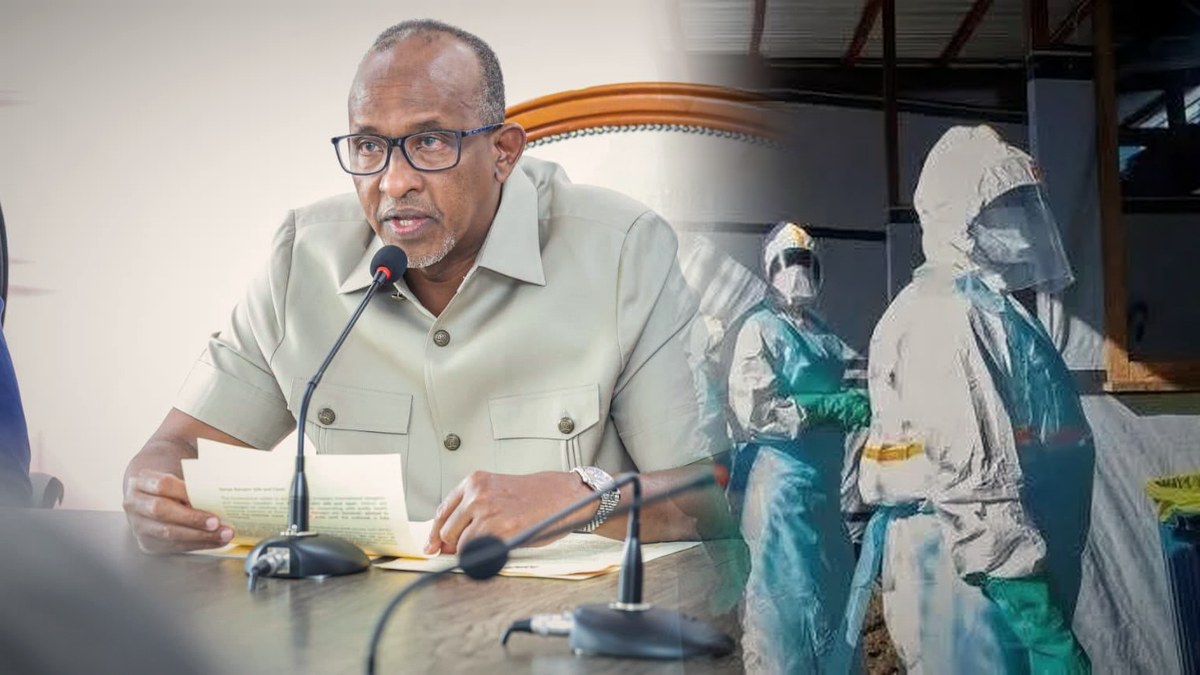
Kenya halfway through 42-day countdown to Ebola-free status, Duale says
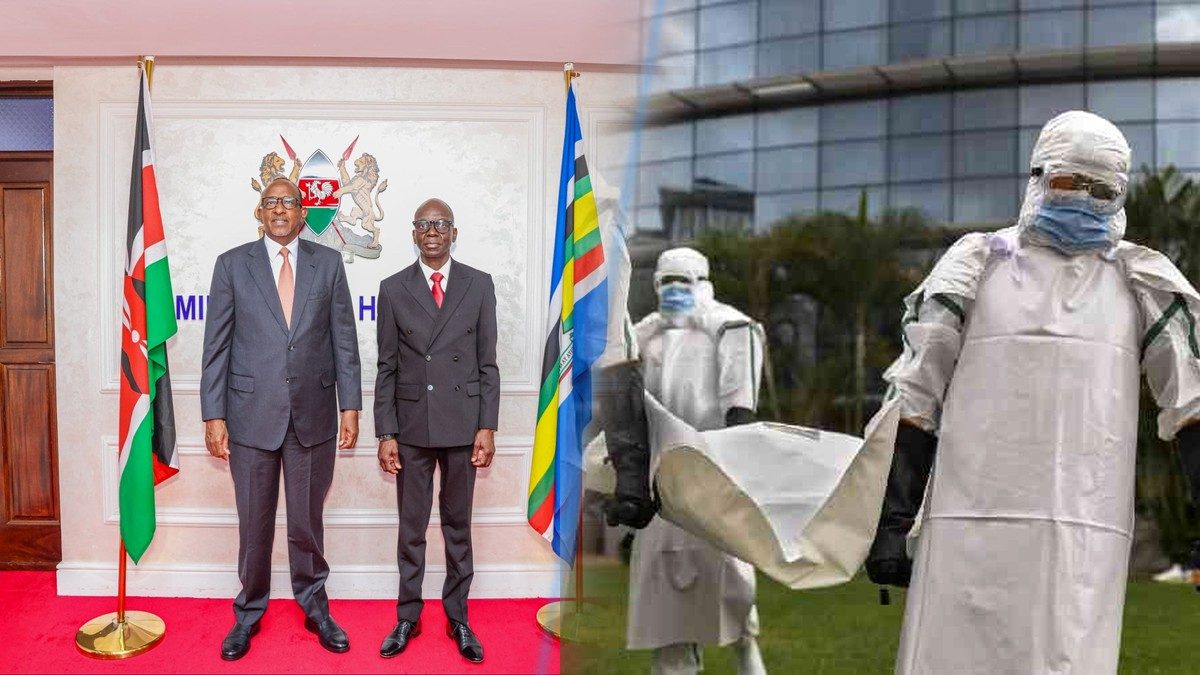
Three weeks without a new Ebola case, yet still facing travel bans: Duale asks WHO to step in as Kenya edges towards the 42-day finish line
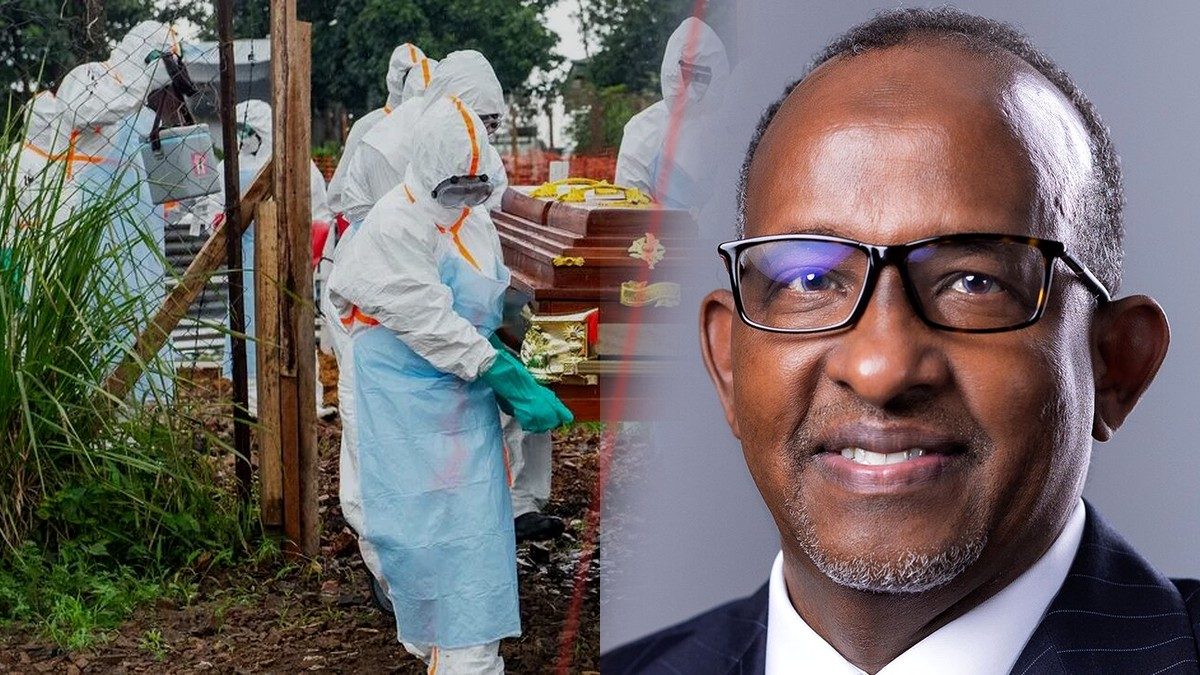
No washing, no embalming, burial within 24 hours: Duale's Ebola rules would stop families bringing home loved ones who die of the virus abroad

Global Community Remarks
0