
EU leaders meet in Brussels over divided budget and €45bn Ukraine loan
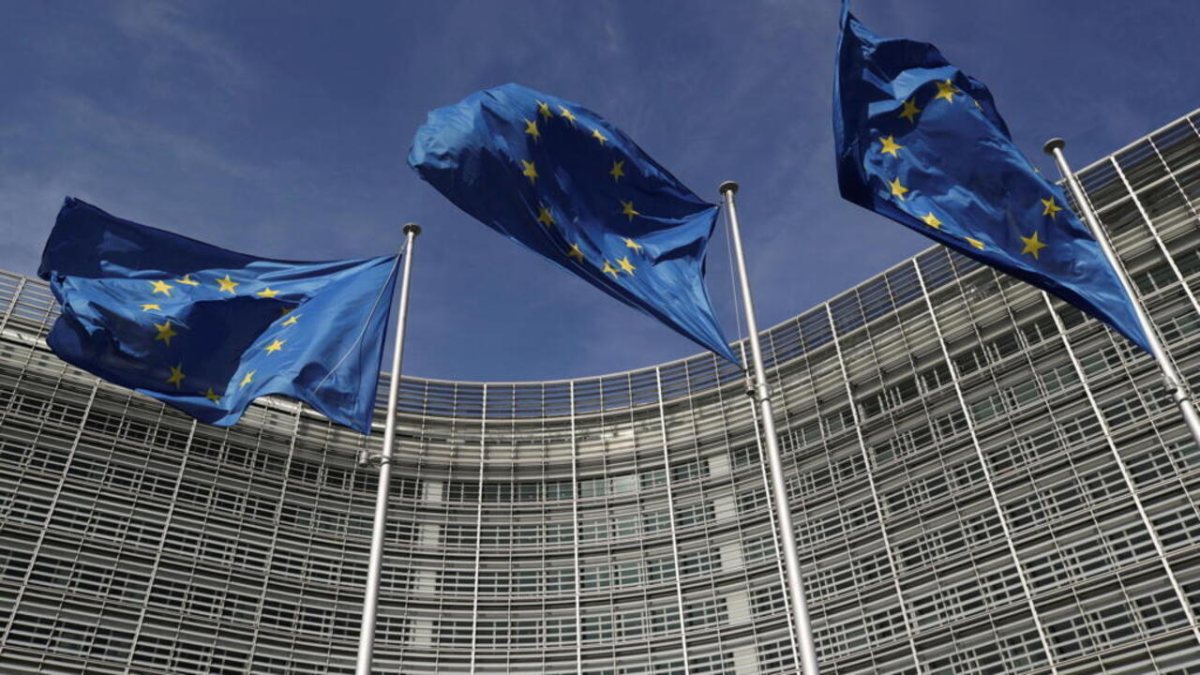
European Union leaders are meeting in Brussels on Thursday to try to resolve sharp disagreements over the bloc's next long-term budget, which includes a proposed €45 billion loan intended to keep Ukraine financed through 2027, according to France 24.
The two-day summit, chaired by European Council President António Costa, is expected to expose long-standing rifts among the 27 member states over how much to spend and on what. EU diplomats quoted by France 24 say a final agreement is more likely when leaders reconvene next month.
A budget worth up to 1.2% of national income
The 2028-2034 spending package is funded largely by member countries in proportion to the size of their economies. It could amount to between 1% and 1.2% of the bloc's gross national income.
Ahead of the meeting, Costa put forward a revised proposal that trims roughly 10% from the European Commission's original plan. In his invitation letter to leaders, he wrote: "The time has come to reach an agreement."
He plans to present his proposal to the full group, split leaders into smaller groups and bilateral talks, and then report his conclusions to all 27, probably on Friday.
Entrenched camps
About a third of EU countries are net contributors, paying in more than they receive. Germany, Austria, the Netherlands and Sweden are the loudest voices among them, resisting demands for larger payments and pressing for spending discipline.
On the other side, a large bloc known as the "friends of cohesion", led by France and Italy, is defending funding for farmers and for infrastructure in poorer member states. These policies account for about two-thirds of the overall budget.
Most governments also want money redirected towards newer priorities, including support for Ukraine and keeping European industry competitive amid high energy prices and trade tensions with the United States and China. Rising debt pressures and increased defence spending, driven by Russia's war in Ukraine, which is now approaching five years, have made positions harder to shift.
To raise new revenue, Costa has suggested an EU-wide tax on digital services, drawn from online advertising and from income companies earn from user data. It could bring in about €5 billion a year.
Ukraine at the centre
The draft budget sets aside €100 billion for Ukraine over seven years. Separately, leaders must decide on the new €45 billion loan. The Commission intends to borrow the money on capital markets, with €20 billion earmarked for Ukraine's economy and €25 billion for its armed forces.
Nearly a year ago, EU leaders backed a €90 billion loan meant to cover most of Kyiv's needs for two years. However, intensified Russian strikes on energy and civilian infrastructure, together with disruptions to Black Sea trade, are putting renewed strain on Ukraine's public finances.
German Chancellor Friedrich Merz has warned that he could block a budget deal unless all member states make a collective commitment to Ukraine "without exception". Bulgaria, the Czech Republic, Hungary and Slovakia oppose using EU funds for military aid to Kyiv. In a letter to Costa, Merz argued that Ukraine's support was a matter of shared European security and that the burden should be shared accordingly.
Elections add pressure
Upcoming votes complicate the timetable. Spain holds elections on Sunday, while France, Italy and Poland go to the polls next year. The hard right is leading surveys in France, and outcomes in Spain and Poland are hard to call. New governments could make agreement even more difficult if no deal is reached by the end of next month.
Missing the December target would not immediately cut off funds, as member states have another year. But adopting the legislation behind the spending programmes takes considerable time, and the package must be endorsed by all 27 countries and the European Parliament for money to flow by January 2028.
This story was prepared by the Hamasta Newsdesk with AI assistance, based on reporting by France 24. Read the original report. Photo: France 24.

Tell your story on screen.
Commercials, documentaries, interviews and social video, from script to final cut.





More in International
See all
EU's Costa proposes 3% tax on big tech in slimmer 2028-2034 budget draft
.jpeg)
UK anthem played in Brussels for first time since Brexit as Burnham meets EU leaders
EU proposes €45 billion loan to Ukraine, to be repaid from Russian reparations
Zelenskyy presses NATO for membership and air defence, but allies remain divided
Poland to create no-fly zone along Ukraine border, urges NATO allies to follow
Global Community Remarks
0