
Spain's Pablo Hernandez de Cos picked to succeed Lagarde as head of the ECB
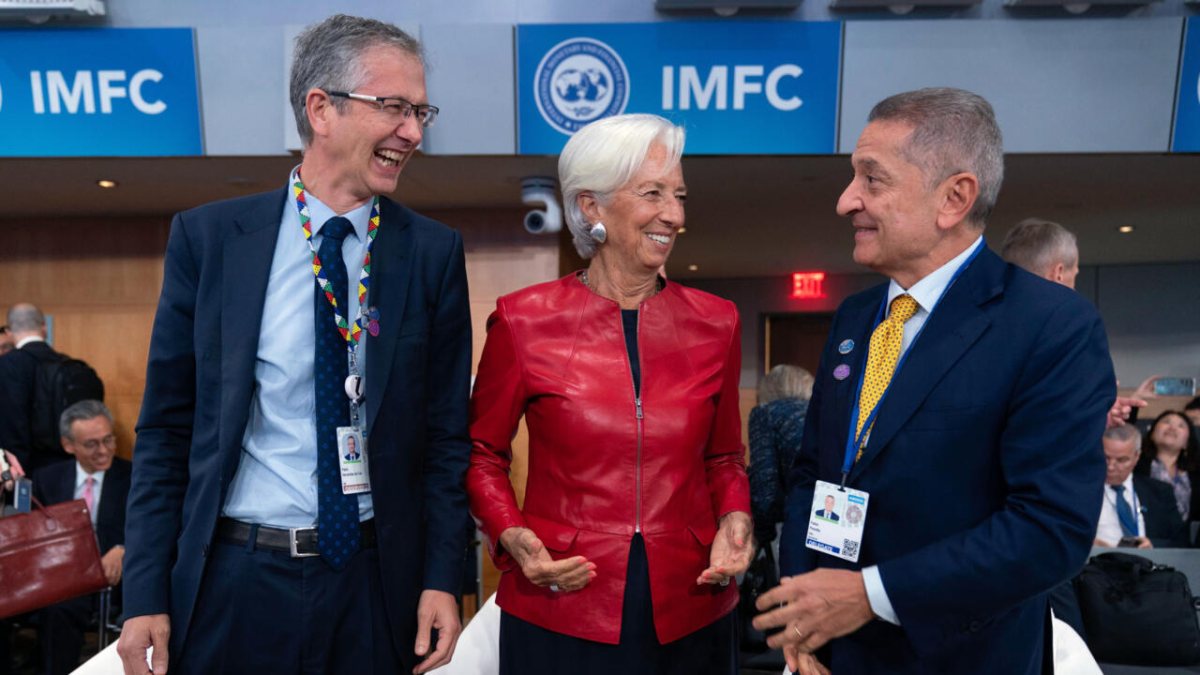
European leaders have chosen Pablo Hernandez de Cos, the former governor of Spain's central bank, to take over from Christine Lagarde as president of the European Central Bank (ECB), according to France 24.
The decision, reached on Thursday at a summit in Brussels, puts the Spanish economist at the helm of Europe's most powerful financial institution at a time when inflation linked to the war in Iran has returned and households across the region face a cost of living crisis.
Leaders of the 21 countries that use the euro also filled two other senior ECB posts during the same meeting. The bank sets borrowing costs for about 359 million people in the eurozone.
Path cleared by Dutch decision
De Cos emerged as the clear choice after the Netherlands threw its support behind him, in effect withdrawing its own candidate, Klaas Knot, France 24 reported.
An EU diplomat speaking for the Irish Presidency, who asked not to be named because they were not authorised to speak publicly, said agreement had been reached on all three positions. French President Emmanuel Macron confirmed the outcome on X.
The nomination still has to be reviewed by the European Parliament and the ECB's Governing Council, though both steps are regarded as formalities. A meeting of eurozone ambassadors was also expected to give formal approval ahead of endorsement by the bloc's leaders.
De Cos, who currently serves as general manager of the Bank for International Settlements, will take office when Lagarde leaves early on February 7, several months before her term was due to end.
A pragmatic crisis veteran
The 55-year-old is a trained monetary economist who began his career in staff roles at the ECB and the Bank of Spain. He later made the unusual move into top-level policymaking as governor of the Spanish central bank, a role that gave him a seat on the ECB's rate-setting Governing Council.
He has steered through several crises, including the rescue of Spain's banking sector, the COVID-19 pandemic and the inflation spike that followed it, which pushed the ECB into the fastest round of interest rate increases in its history.
Policymakers from southern Europe are frequently labelled "doves" who prefer looser monetary policy. However, colleagues and ECB observers describe de Cos as a pragmatic moderate who does not fit neatly into that camp, according to France 24.
His appointment gives the top job to a southern European and an ally of former ECB President Mario Draghi. Analysts see this as strengthening expectations that the bank would use its considerable resources to head off any fresh sovereign debt crisis, amid concern that political instability in France could spill over into wider market stress across the eurozone.
Rate hike seen as certain
Whatever his leanings, de Cos will inherit a difficult inflation picture. Price growth in the eurozone now stands at 4 percent, double the ECB's target.
Policymakers, both publicly and in private, appear united that an interest rate increase in December cannot be avoided. Beyond that, the outlook is less clear. Markets are pricing in only one further rise, pointing to a recent fall in oil prices and an expected easing of inflation from the spring, when higher figures from a year earlier drop out of the calculations.
The president's influence over rates is also limited. ECB decisions are made by the 27-member Governing Council, meaning no single official can set the direction of policy alone.
This story was prepared by the Hamasta Newsdesk with AI assistance, based on reporting by France 24. Read the original report. Photo: France 24.
Every moment, captured beautifully.
Events, corporate portraits, products and editorial shoots by our newsroom photographers.






More in Business
See all
Kenyan agriculture startups drew Sh59bn, nearly 40% of Africa's agri funding
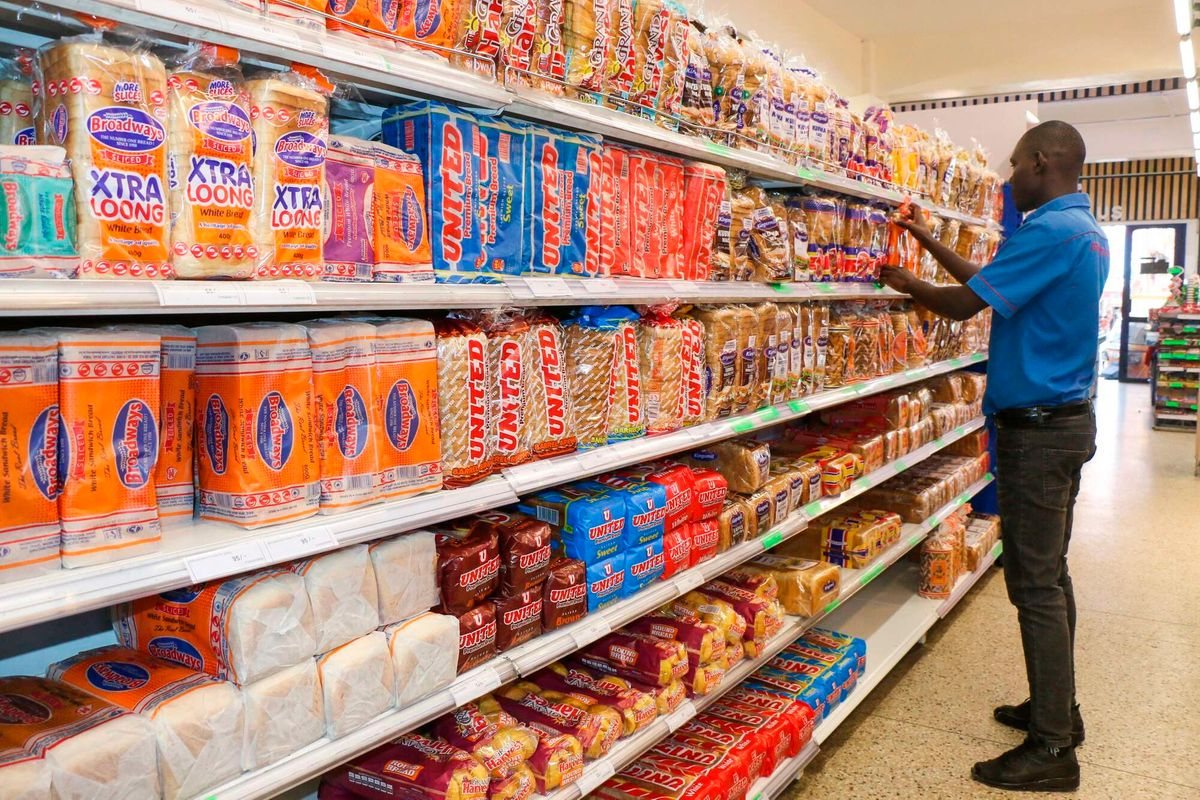
Study flags seven global traders' grip on wheat supply behind Kenya's bread, pasta prices
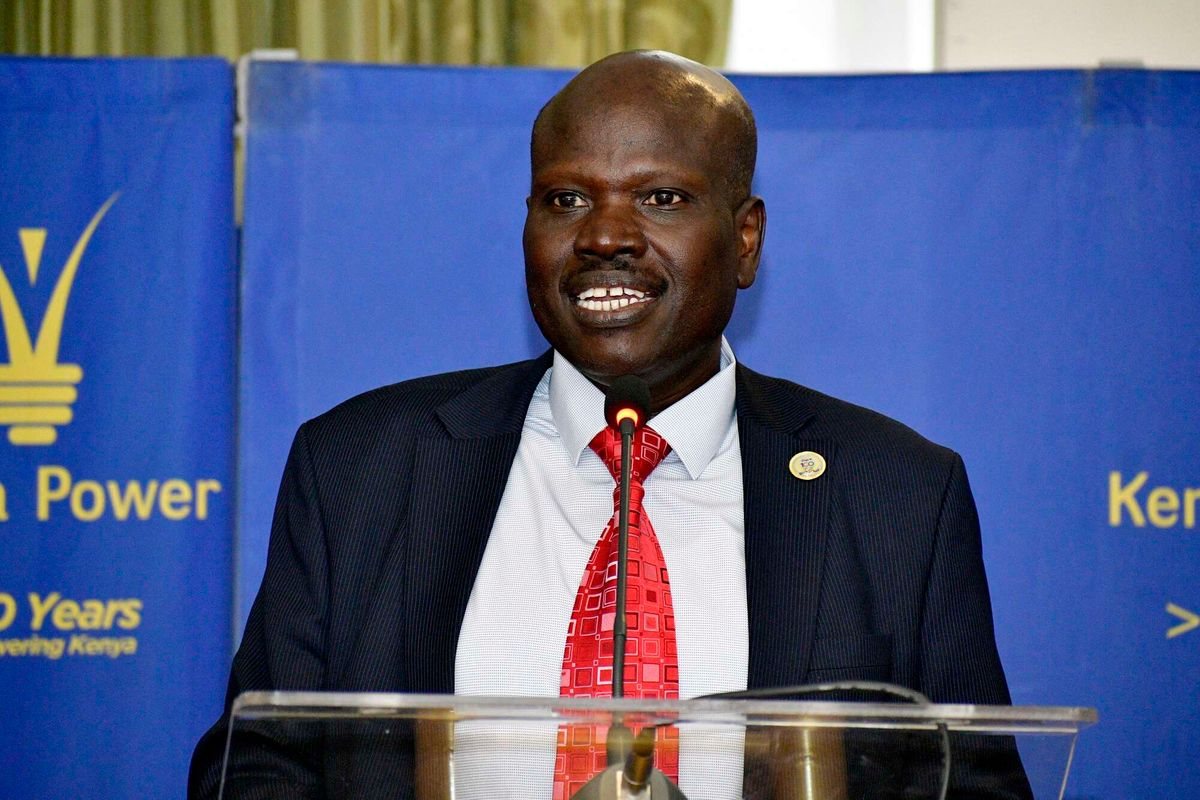
Industries get easier access to half-price night power after EPRA drops growth rule

EACC sets December 31 deadline for public bodies to report conflict of interest controls

Kenya Ships Ksh17.9bn Worth of Solar Panels to US in Eight Months

Global Community Remarks
0