
Study flags seven global traders' grip on wheat supply behind Kenya's bread, pasta prices
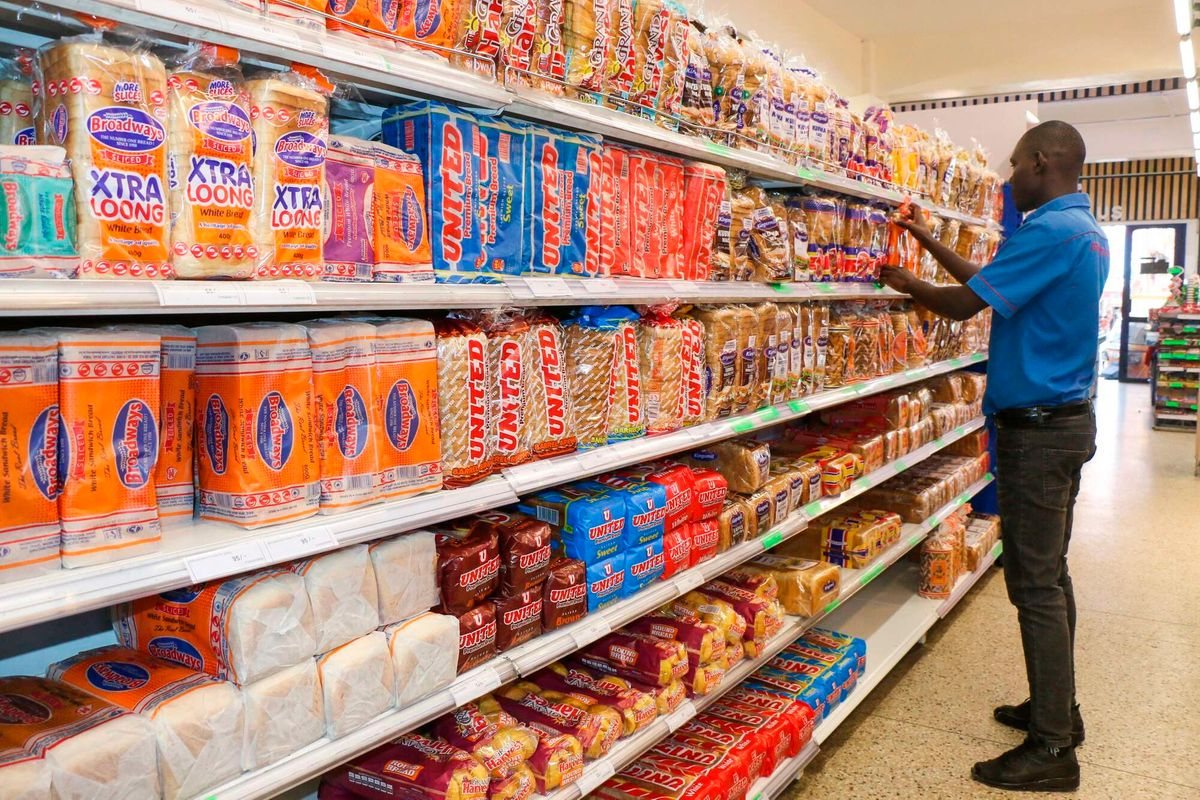
Seven international commodity traders sit at the heart of Kenya's wheat supply chain, giving them significant influence over what households pay for bread, chapati, pasta and biscuits, a new study by the African Competition Forum (ACF) has found, according to Business Daily.
The report warns that Kenya's wheat pricing rules and import quotas could be exposing consumers to costs above prevailing international prices, while allowing the global traders to grow their margins.
The study, however, does not establish that any of the named firms colluded, manipulated tenders or deliberately inflated prices. Instead, it points to weaknesses in the market that could undermine competition and reduce the bargaining power of local millers.
The firms named
The seven companies identified as sourcing wheat for Kenyan millers are:
- Bunge Global SA, incorporated in Geneva but operating from Missouri in the United States
- Cargill of the United States
- Louis Dreyfus Company of the Netherlands
- Holbud of the United Kingdom
- Seaboard Corporation of the United States
- Me Solaris of Dubai
- Wild Agri of Dubai
According to the report, the firms act as intermediaries between international producers and local mills, arranging the sourcing, shipping and delivery of bulk cargoes that determine the cost of grain landing in Kenya. They do not necessarily own the wheat, but ship it on behalf of millers.
Even so, the ACF says the traders can still secure large profits because of how deeply they are integrated into global markets, despite domestic price controls and quotas.
Decisions made offshore
The study notes that while the companies keep local sourcing or trading offices, key decisions on pricing, hedging and risk management are taken at head offices abroad. These offices track global supply and demand, trade in futures markets and set pricing benchmarks for local branches.
Louis Dreyfus, for example, runs offices in Nairobi and Mombasa covering grain, palm oil and coffee, while Cargill's Kenyan subsidiary trades in wheat, maize and barley.
Beyond moving grain, the traders earn from cross-border trading margins, service fees, gains from managing commodity price risks and market intelligence drawn from their global networks, the report says.
"Global commodity traders generate profits through a mix of activities," the report states.
The ACF, a network of national and regional competition authorities that includes the Competition Authority of Kenya, did not quantify the traders' margins or how much of their earnings is passed on to consumers. Local costs such as milling, packaging, electricity, transport and distribution also shape retail prices.
Pricing rules under scrutiny
The findings are based on data from the 2024/2025 financial year, when Kenya imported 2.2 million tonnes of wheat, mainly from Russia, Ukraine and Argentina.
Under the current system, a wheat pricing committee sets minimum prices for locally grown grain, and imports are allowed when local output falls short. Millers must also buy local wheat in proportion to their import allocations, a measure meant to protect farmers and support food security.
The ACF says these interventions can disconnect domestic prices from global benchmarks. It cites the National Cereals and Produce Board's minimum price of Sh4,750 for a 90-kilogramme bag of Grade One wheat at the time of the study, which has since risen to Sh5,100. Traders buying locally must observe that price even when imported grain lands more cheaply.
Bid rigging risk
The report also raises concerns about the tendering system millers use to buy imported wheat, in which traders bid against set quantity and quality requirements and the lowest bidder wins.
While the system is designed to deliver the cheapest supply, the ACF warns it could create room for bid rigging, particularly through suppliers rotating who wins contracts.
This story was prepared by the Hamasta Newsdesk with AI assistance, based on reporting by Business Daily. Read the original report. Photo: Business Daily.

Tell your story on screen.
Commercials, documentaries, interviews and social video, from script to final cut.





More in Business
See all
African traders turn to China's used smartphone markets as new phone prices rise

Oil above US$100: what rising crude prices mean for Kenya's pump prices
CBK survey warns prices of milk, unga and sugar set to rise further
DR Congo to suspend cobalt exports again from November 30 as prices fall

Kenya's dairy farmers short of 30 million tonnes of feed a year, study finds
Global Community Remarks
0