
Guinea-Bissau junta pushes presidential and legislative elections back to November 2028
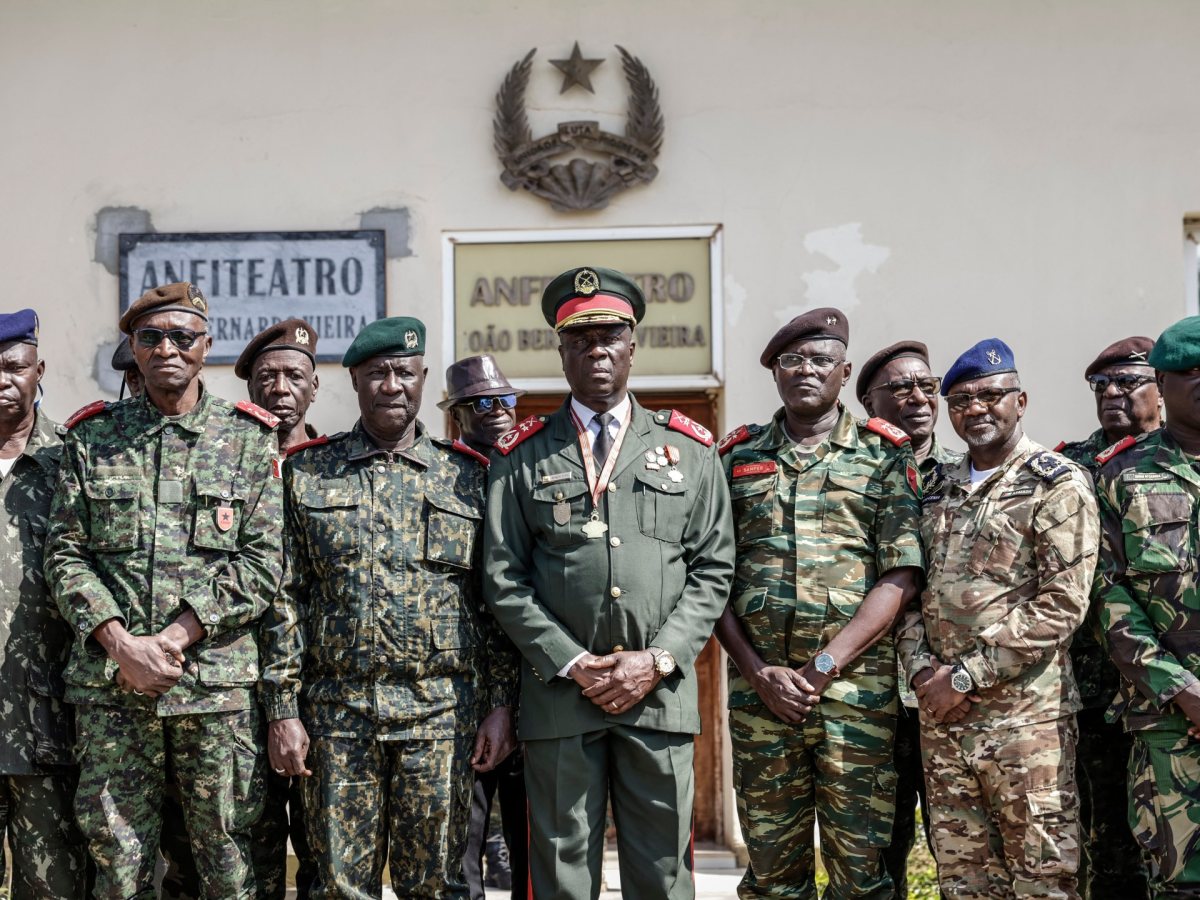
Guinea-Bissau's military government has postponed the country's presidential and legislative elections by two years, pushing back a vote that was meant to end military rule in the West African nation, according to Al Jazeera.
The polls, which had been set for December 6, will now be held in November 2028 under a decree signed on Thursday by the transitional president, Major-General Horta Inta-a.
The decree attributed the delay to what it described as "an insufficiency of the technical, material and financial conditions" needed to organise the elections.
A transition that keeps stretching
The army took power last November, interrupting a presidential election and removing the sitting president, Umaro Sissoco Embalo, who had been running for another term.
Following the coup, Inta-a, a former army chief of staff, was installed as head of the military government. He was given the task of overseeing a transition that was supposed to last one year.
A transitional charter published in early December last year barred Inta-a from contesting the election.
In August, voters approved a change to the constitution that expands the powers of the president, Al Jazeera reported.
Signs of a delay had emerged last month, when Prime Minister Ilidio Vieira Te said the conditions required to hold elections in December were not in place. He did not, however, offer a new date at the time.
Regional pressure
The postponement is likely to draw attention from the Economic Community of West African States (ECOWAS), which had urged Guinea-Bissau's military leaders to pursue a short, structured and transparent transition back to civilian government.
The decision means the junta will remain in charge for roughly three years beyond the one-year transition period originally announced after the coup.
Guinea-Bissau joins a number of West African states, including Mali, Burkina Faso and Niger, where military governments have taken power in recent years and elections have repeatedly been pushed back.
A history of instability
Guinea-Bissau, home to about 2.2 million people, is among the poorest countries in the world. Since gaining independence from Portugal more than 50 years ago, it has experienced a series of coups and attempted coups.
The country has also become known as a transit point for drugs moving from Latin America to Europe. Experts say the trade has contributed to the political turmoil that has repeatedly destabilised the state, according to Al Jazeera.
The new timeline leaves the country under military rule for the foreseeable future, with no civilian leader expected to be elected until late 2028.
This story was prepared by the Hamasta Newsdesk with AI assistance, based on reporting by Al Jazeera. Read the original report. Photo: Al Jazeera.





Show the impact of your work.
Impact stories, campaign videos and community engagement for NGOs and programmes.

More in International
See all
IMF approves $425m three-year programme for Guinea to back economic reforms
Ten dead, more than 1,200 arrested and 150,000 on the move: Guinea's ban on small-scale gold mining turns deadly
Guinea jails 22 ex-officials and 202 others in illegal gold mining crackdown
Israeli opposition accuses Netanyahu of 'attempted coup' over plot claims
Guinea orders Conakry clean-up after deadly rubbish dump collapse
Global Community Remarks
0