
Extreme heat raises preterm birth fears for pregnant women in South Africa's Mamelodi
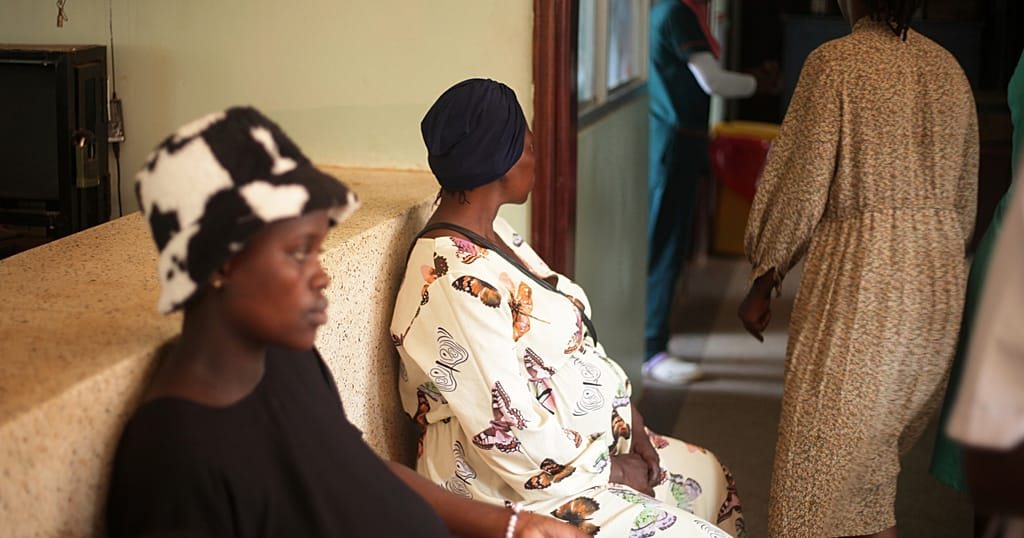
Rising temperatures are putting pregnant women in Mamelodi, in South Africa's Gauteng province, at greater risk of giving birth prematurely, with those living in informal settlements among the most exposed, according to Africanews.
Health workers at local clinics and researchers at the University of the Witwatersrand (Wits) warn that exposure to extreme heat is having a direct effect on the health of mothers and newborns.
Rising preterm deliveries
At the Stanza Bopape Antenatal Unit in Mamelodi, expectant mothers describe serious physical strain during spells of intense heat. They report dizziness, swollen feet and difficulty walking long distances, Africanews reported.
Clinical staff at the facility say they have recorded more preterm deliveries than in previous summers. They note that heat stress and dehydration can also cause maternal distress and reduce foetal movement.
These observations from the clinic floor mirror wider scientific findings gathered by researchers at the Wits Reproductive Health and HIV Institute (Wits RHI) and the university's Planetary Health Research Division.
Four percent higher risk per degree
By pooling available studies on heat exposure during pregnancy, the researchers found that each one-degree Celsius rise in temperature is linked to a four percent increase in the risk of premature birth.
The finding suggests that even modest increases in temperature could carry measurable consequences for pregnant women, particularly during hot summer months.
Living conditions deepen the danger
According to Wits RHI senior researcher Dr Sibusiso Mkwananzi, the biological risks posed by extreme heat are made worse by social and economic conditions.
Women living in informal settlements often do not have running water or a dependable electricity supply at home. This makes it harder for them to stay properly hydrated or to use cooling devices such as fans, putting them at a disadvantage compared with residents of wealthier suburbs, Dr Mkwananzi explained, as reported by Africanews.
The gap highlights how the effects of extreme weather can fall unevenly on communities, with households that lack basic services having fewer ways to protect themselves.
What health workers advise
Staff at Stanza Bopape continue to give pregnant women and new mothers practical guidance on coping with the heat. Their advice includes:
- Drinking more water to avoid dehydration
- Keeping a close watch on foetal movements
- Seeking medical care quickly if signs of heat exhaustion appear
- Going to a clinic promptly if the baby's movements slow down
A growing maternal health concern
The warnings from Mamelodi add to concerns about how rising temperatures may affect maternal and newborn health, especially among women whose homes lack basic utilities.
For now, clinicians in the township say early recognition of symptoms and timely medical attention remain the main tools for protecting mothers and their babies during periods of extreme heat.
This story was prepared by the Hamasta Newsdesk with AI assistance, based on reporting by Africanews. Read the original report. Photo: Africanews.



Grow an audience that listens.
Social media management, digital campaigns and online storytelling that converts.



More in Health
See all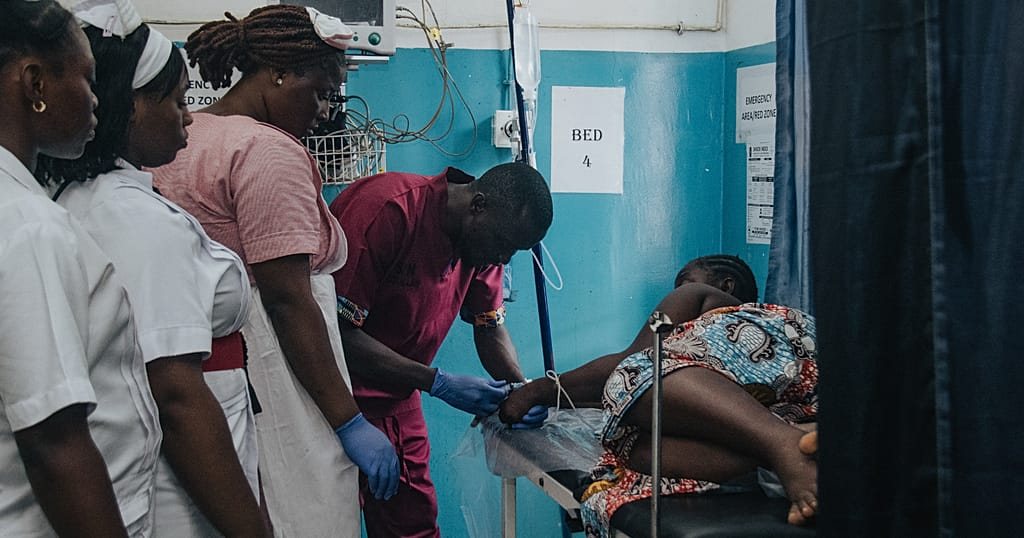
Sierra Leone cuts maternal deaths by nearly 80% but fees and bad roads still cost lives
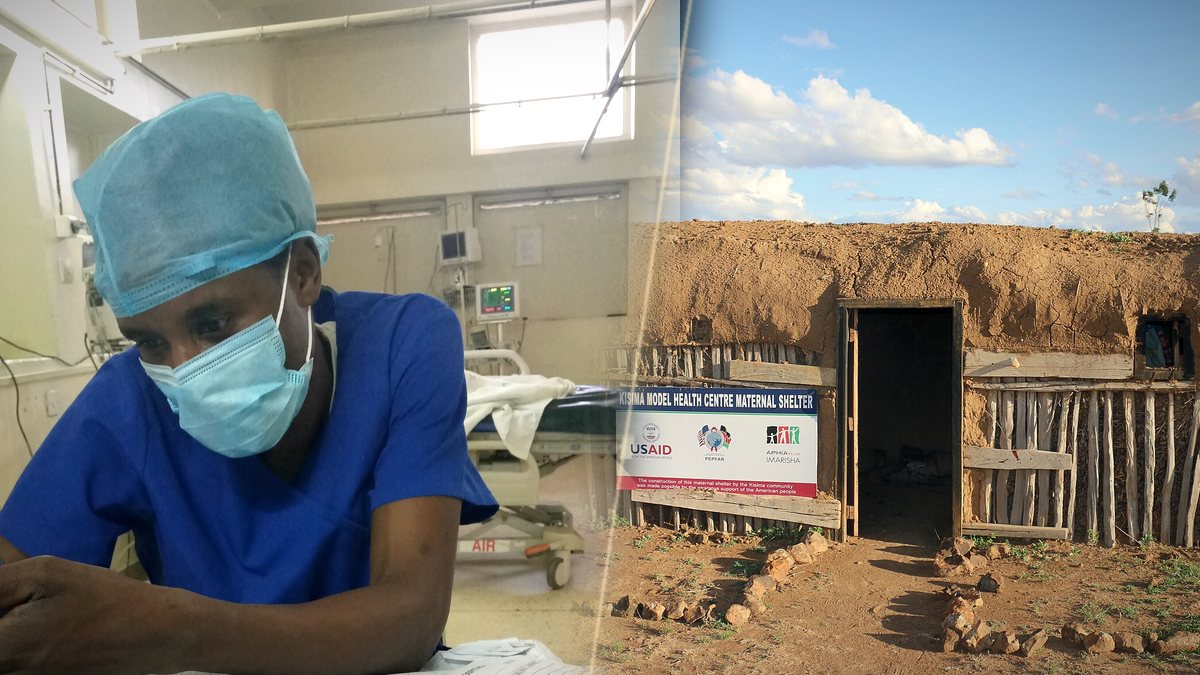
Hospital delays found in 83% of reviewed maternal deaths, Health ministry data shows
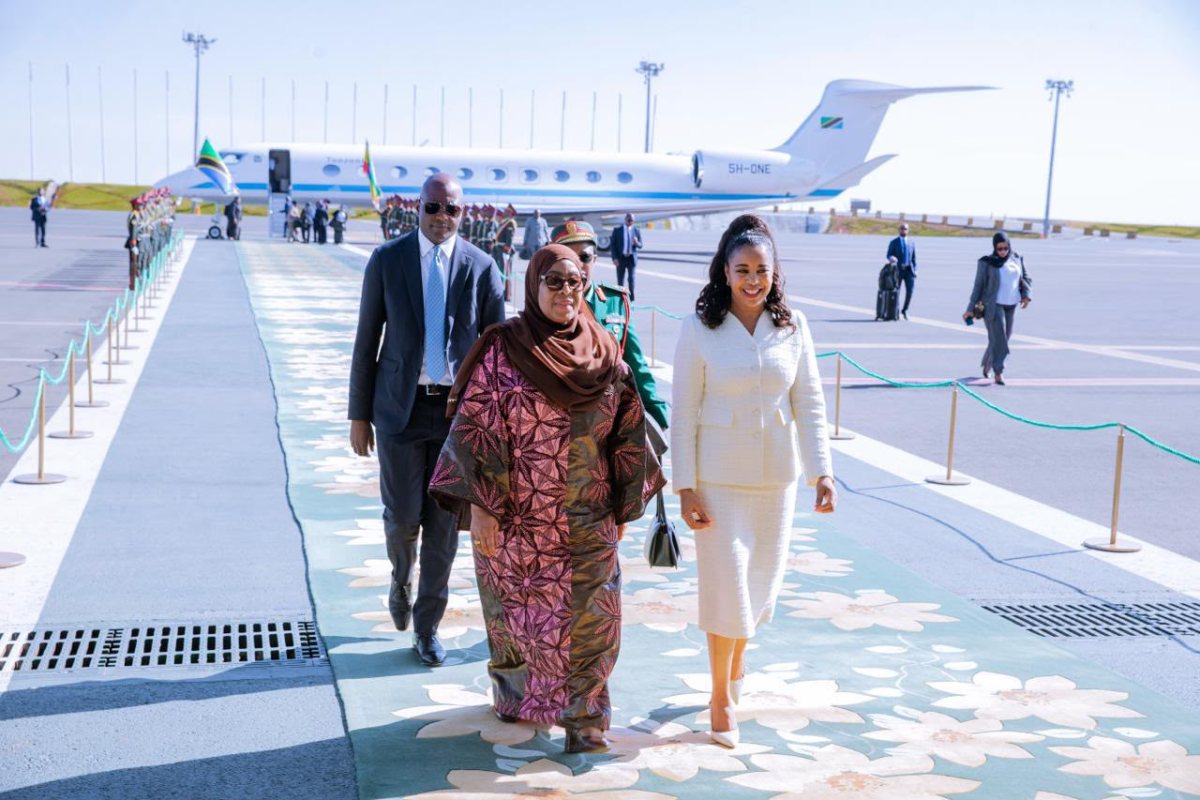
AU to unveil 2026–2030 roadmap to end preventable maternal and newborn deaths
Oluga, Kananu urge newsrooms to dig deeper into maternal and newborn deaths
Pregnancy deaths fall to 287 per 100,000 births and teen pregnancies drop to 11.9pc, new KNBS health survey shows
Global Community Remarks
0