
Sierra Leone cuts maternal deaths by nearly 80% but fees and bad roads still cost lives
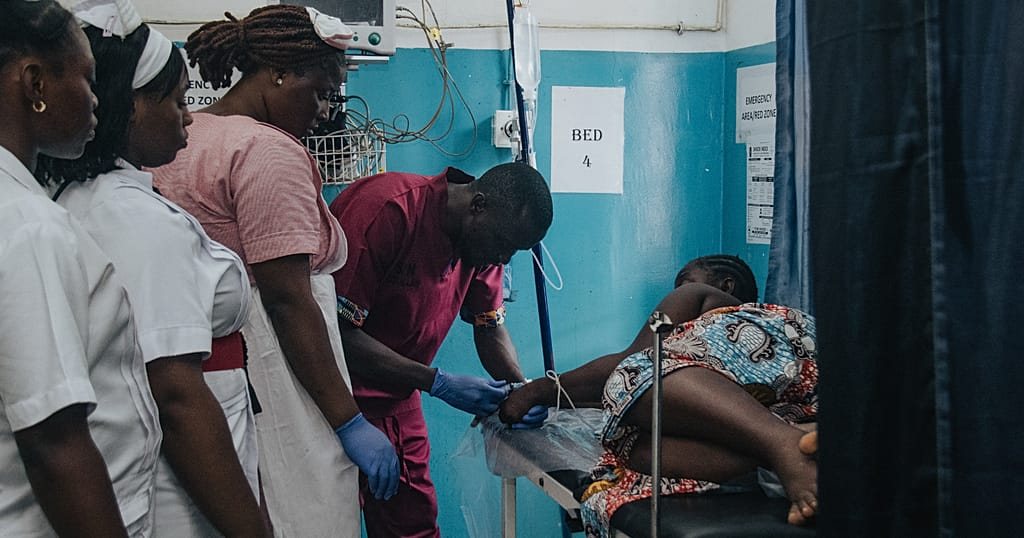
Sierra Leone, a country once regarded as the most dangerous place on earth to give birth, has cut its maternal mortality rate by nearly 80 per cent over two decades, according to United Nations estimates reported by Africanews.
The figures show the rate falling from more than 1,600 deaths per 100,000 live births in 2000 to 354 in 2023. Health workers and officials, however, warn that unofficial fees, mistrust of public facilities and poor roads continue to put women's lives at risk.
Free care and better equipment
Since 2010, Sierra Leone has offered free healthcare to pregnant women. The World Health Organization credits the falling death rate to that initiative, along with wider health services and the training of more skilled birth attendants.
Fatmata Kamara, a 28-year-old trader, told Africanews she could not pay for ultrasound scans during her first two pregnancies. Now expecting her third child, she was attending a routine late-pregnancy check-up at Princess Christian Maternity Hospital in Freetown under the free care programme.
She said the care she was receiving was better than in her earlier pregnancies, noting that the medicines provided had changed.
Midwife Umu Fye, who works at the same hospital, said staff previously had to send patients elsewhere for scans. With the equipment now available on site, midwives can check the foetal heart rate, determine the baby's position and estimate its weight.
Fye added that midwives have received more training in recent years and that more drugs are available to treat common complications during and after pregnancy. These include medicines for severe bleeding after childbirth, which is one of the leading causes of maternal death.
Training specialists at home
Francis Moses, director of reproductive and child health at the Ministry of Health, said the country is now building its own pool of specialists rather than relying on training abroad.
"We have now shifted from having our specialists being trained in other countries to having homegrown post-graduate training here," Moses said.
A 300-day campaign launched this year is the government's latest effort to make childbirth safer. Last month, the ministry said hospital data showed maternal deaths had dropped by 31.3 per cent and child deaths by 12.7 per cent compared with the same period in 2025.
Persistent obstacles
Despite the progress, some pregnant women say public hospitals are charging them for services that are meant to be free. Mistrust of the health system and weak infrastructure also remain barriers.
Moses described a recent case in which a pregnant woman died while being taken to hospital. He said the first ambulance sent to collect her became stuck in mud and lost a tyre, and a second ambulance dispatched after it also got stuck. The woman did not reach care in time.
The case highlights how poor roads can undo gains made inside hospitals, particularly for women who need emergency treatment.
A continental challenge
Sierra Leone's experience reflects a wider problem across the continent. An estimated 180,000 women die in Africa every year from causes linked to pregnancy and childbirth, according to Africanews.
The country's progress offers an example of what free maternal care, trained personnel and essential medicines can achieve, but officials acknowledge that transport, cost and trust must also be addressed if more mothers are to survive.
This story was prepared by the Hamasta Newsdesk with AI assistance, based on reporting by Africanews. Read the original report. Photo: Africanews.


Take your event live to thousands.
Multi-camera live streams, panel discussions and digital broadcasts with professional crews.




More in Health
See all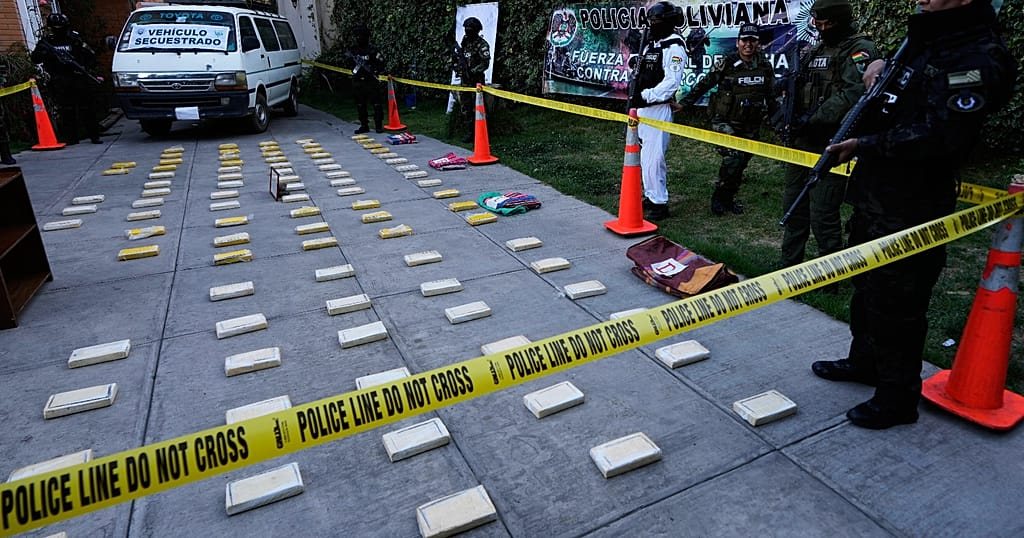
Netherlands steps up pressure on Sierra Leone over fugitive drug lord 'Bolle Jos'
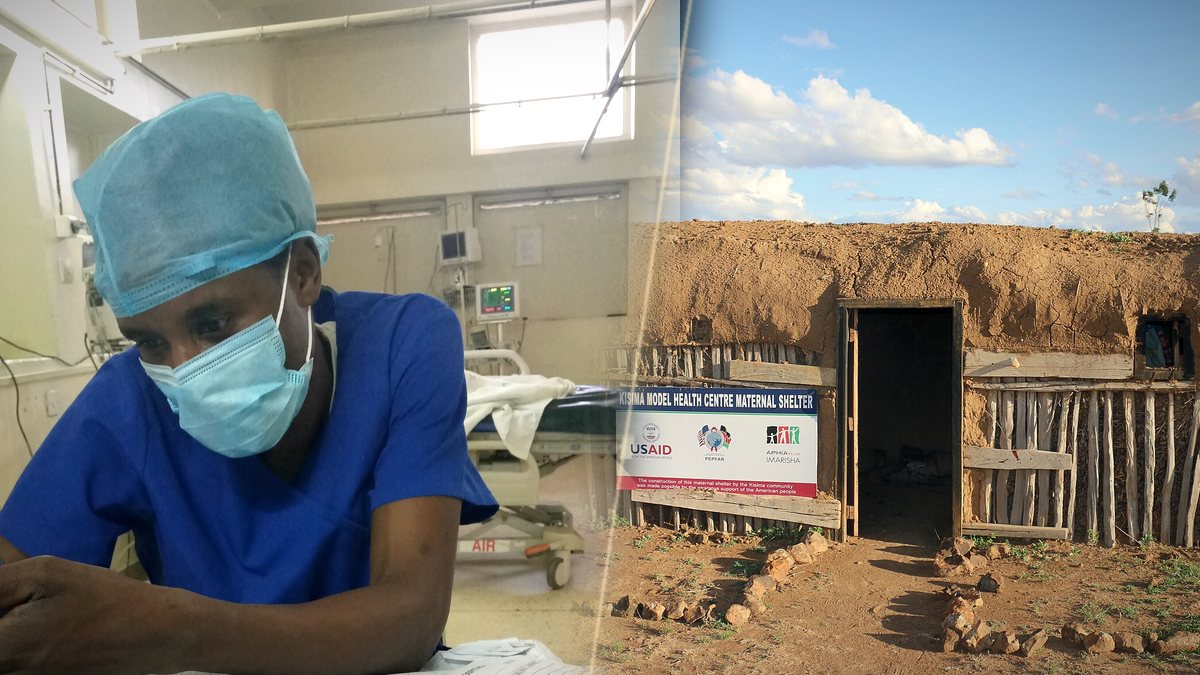
Hospital delays found in 83% of reviewed maternal deaths, Health ministry data shows
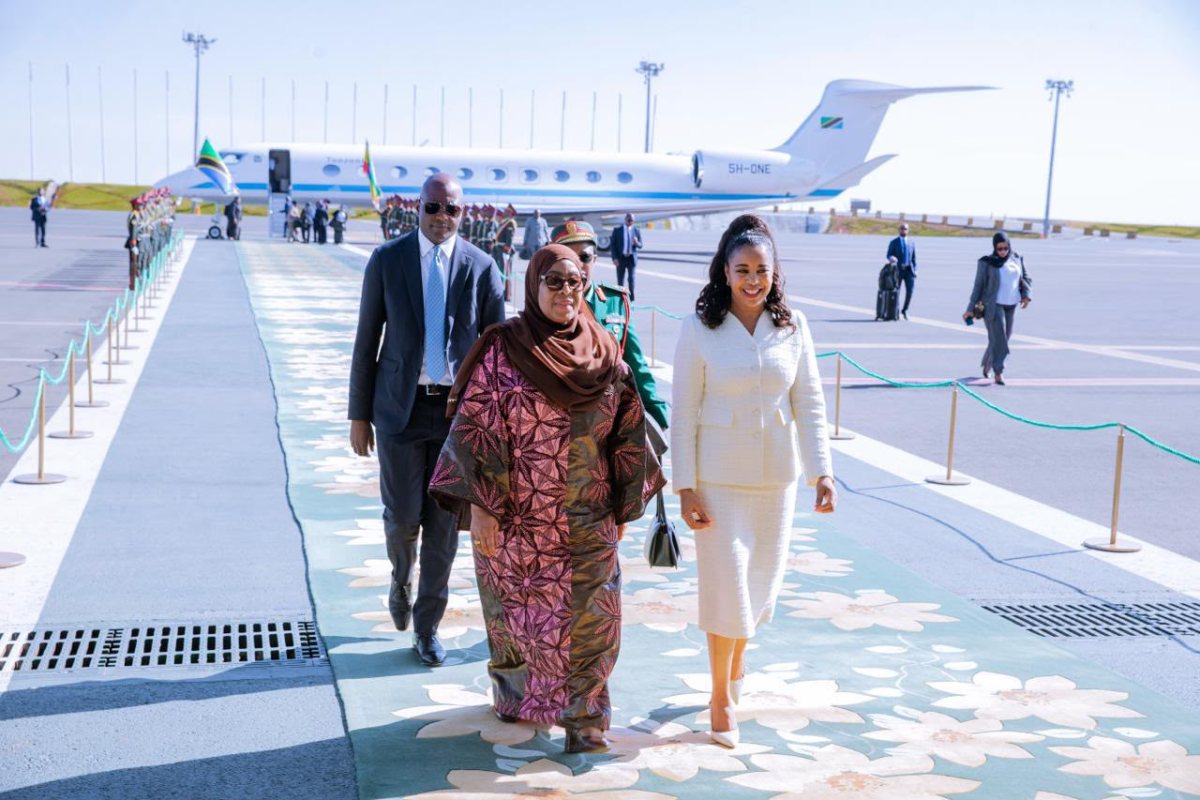
AU to unveil 2026–2030 roadmap to end preventable maternal and newborn deaths
Oluga, Kananu urge newsrooms to dig deeper into maternal and newborn deaths
PS Oluga urges media to help cut maternal and newborn deaths in Kenya
Global Community Remarks
0