
EU leaders cut budget summit short as 2028-2034 spending talks stall
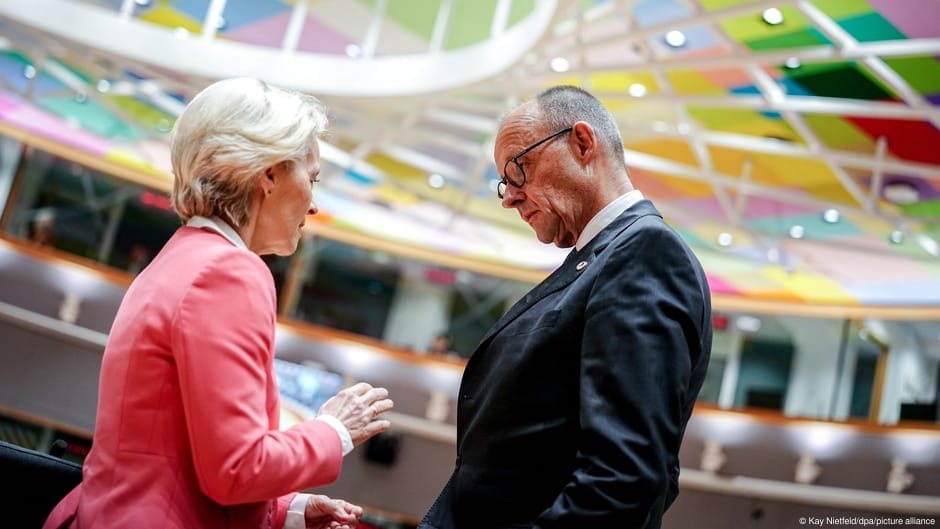
European Union leaders have cut short a summit in Brussels after failing to close wide gaps over the bloc's next long-term budget. They now hope to reach agreement at another meeting in December, according to DW News.
The summit was scheduled to run from Thursday to Friday. Late on Thursday night, German Chancellor Friedrich Merz said leaders would hold a final round of talks around midnight and end the meeting, rather than return on Friday as planned.
The 27 member states are negotiating the EU's spending plan for 2028 to 2034. The talks centre on how much money the bloc should have, who should pay for it and what it should be spent on.
A compromise that satisfied few
Last week, European Council President Antonio Costa put forward a compromise proposal worth €1.78 trillion. That is about €204 billion less than the European Commission's original plan, DW News reported.
Costa's proposal also included a 3% tax on major digital firms to reduce the amount member states must contribute. France has already rejected the plan as inadequate.
The Commission's opening bid, presented over the summer, sought more spending on defence, innovation, research, digital technologies and competitiveness. That shift puts pressure on traditional areas of EU spending, especially farm subsidies and parts of the regional development programmes.
Leaders dig in
Divisions were clear before leaders even sat down. Italian Prime Minister Giorgia Meloni warned that a deal remained distant.
"We're light-years away from a solution," Meloni told reporters, according to DW News.
Meloni added that Italy would not accept a budget that required it to pay more while receiving less.
Merz took the opposite view on the overall size of the budget. He said the proposal was still too high and that member states had to be able to cover the full cost without taking on new debt.
Hungarian Prime Minister Peter Magyar said he had set out his country's priorities and red lines to the other leaders. Writing on X, he put the chances of a deal on Thursday at virtually zero. He also said an agreement around Christmas looked unlikely.
Ukraine funding a flashpoint
Support for Ukraine is one of the main areas of dispute. The proposed budget sets aside up to €100 billion for Kyiv, although diplomats say this falls well short of Ukraine's needs.
Merz said funding Ukraine was a shared task for all 27 member states. Slovakia, the Czech Republic and Hungary were exempted from guaranteeing the current €90 billion loan to Ukraine.
Czech Prime Minister Andrej Babis disagreed with Merz. He said Ukraine funding should be negotiated separately and that his country needed the money for other spending.
Bulgarian Prime Minister Rumen Radev said Sofia would take part in a proposed €45 billion EU loan to Ukraine, but only in the €20 billion portion set aside for non-military aid. He said Bulgaria would not fund weapons and pointed to the large Bulgarian diaspora living in Ukraine.
Russia also criticised the plans. Kremlin spokesman Dmitry Peskov said putting money for Ukraine in the EU budget would make Kyiv less willing to pursue peace. He argued it would also divert spending away from schools, hospitals and social services.
Spaniard set to lead ECB
On the sidelines of the summit, Spain's Pablo Hernandez de Cos emerged as the next president of the European Central Bank. News agencies reported that a majority of eurozone countries had endorsed him.
His path cleared after the Netherlands backed him as a consensus candidate. He had been competing with Dutch central bank chief Klaas Knot. Current ECB President Christine Lagarde plans to step down on 7 February 2027.
Spanish Prime Minister Pedro Sanchez welcomed the nomination on X. He said it showed Spain's growing leadership in Europe.
Costa, who is steering the budget negotiations, said his aim was to bring leaders closer to a deal. Officials quoted by DW News acknowledged that leaders are still defending their red lines rather than making the final concessions needed for an agreement.
This story was prepared by the Hamasta Newsdesk with AI assistance, based on reporting by DW News. Read the original report. Photo: DW News.




Know what people say about you.
Media monitoring, audience insights and strategic communication for your brand.


More in International
See all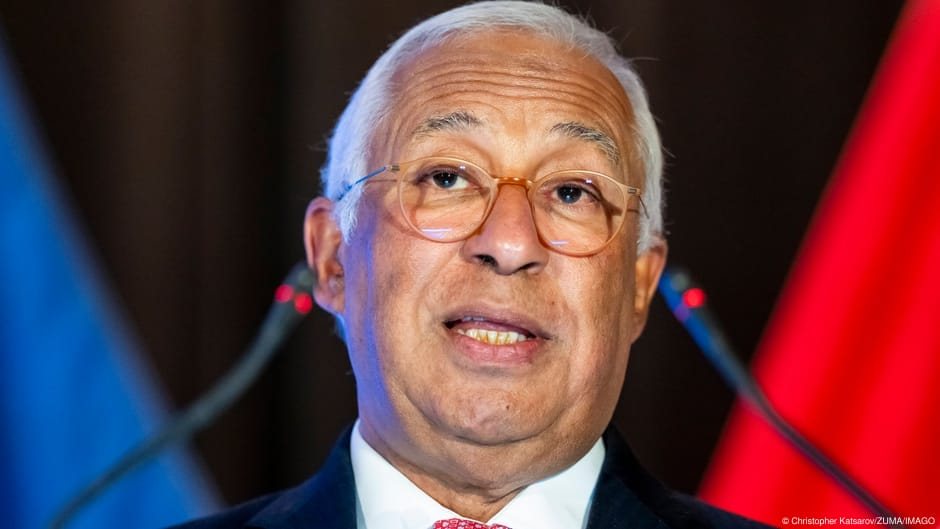
EU's Costa proposes 3% tax on big tech in slimmer 2028-2034 budget draft
EU leaders meet in Brussels over divided budget and €45bn Ukraine loan
Poland to create no-fly zone along Ukraine border, urges NATO allies to follow
Zelensky says Ukraine needs €115 billion in foreign aid for 2027
Germany's Wadephul says Berlin talks send Moscow a strong signal on Ukraine peace
Global Community Remarks
0