
EPRA Developing System to Track Every LPG Gas Cylinder in Kenya
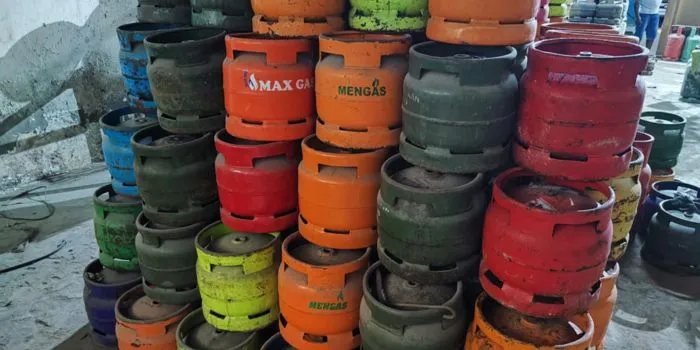
The Energy and Petroleum Regulatory Authority (EPRA) is developing technology to track Liquefied Petroleum Gas (LPG) cylinders across Kenya, in a move aimed at rooting out illegal cylinders and unregulated dealers, according to Kenyans.co.ke.
EPRA Director General Edward Kinyua disclosed the plan on Friday, November 27, 2026, while speaking in Mombasa. He said the track-and-trace system would play a major role in strengthening the regulator's decision-making.
What the system will do
According to the regulator, the system is designed to:
- Ensure LPG products can be traced through the supply chain
- Identify illegal cylinders in circulation
- Monitor the refilling of cylinders
- Improve product quality and protect public safety
The initiative targets fraudulent cylinders distributed by unlicensed dealers around the country. The idea was first floated by former Energy Cabinet Secretary Davis Chirchir, but EPRA now says the plan has gained momentum, Kenyans.co.ke reported.
Advice to consumers
Until the system is in place, EPRA continues to urge buyers to take precautions before purchasing gas. As part of a nationwide sensitisation campaign against fake dealers, the regulator has asked Kenyans to check for safety seals, clear branding and serial numbers, and to weigh cylinders before paying.
Consumers are also advised to confirm that a cylinder carries a valid test or requalification date. EPRA says all cylinders should be requalified within eight years of manufacture.
Mapping fuel stations
Kinyua also revealed that EPRA, through the Government, is adopting Geospatial Information Science (GIS) technology to track more than 3,000 fuel stations, with the aim of strengthening market intelligence.
He said the regulator was increasingly relying on technology to tighten oversight, improve compliance and enhance safety across the petroleum value chain, adding that regulation must keep pace with technological change.
Clean cooking and piped gas
Delivering a keynote address on regulatory oversight in the petroleum sector at the 33rd Institution of Engineers of Kenya (IEK) International Convention in Mombasa, Kinyua said the Government had piloted clean cooking energy in 21 schools across 20 counties.
He added that piped gas had been installed in affordable housing projects. According to the EPRA boss, these initiatives will widen access to energy and open up opportunities for engineers in gas metering and related technologies.
Role of engineers
Kinyua stressed the need for a strong regulatory framework to ensure that investments in the petroleum sector meet engineering, safety and environmental standards.
He described engineers as key partners in making sure petroleum infrastructure is properly designed, built, operated and maintained, and said innovation must go hand in hand with safety and regulatory compliance.
EPRA did not give a timeline for when the cylinder tracking system would be rolled out.
This story was prepared by the Hamasta Newsdesk with AI assistance, based on reporting by Kenyans.co.ke. Read the original report. Photo: Kenyans.co.ke.





Show the impact of your work.
Impact stories, campaign videos and community engagement for NGOs and programmes.

More in Business
See all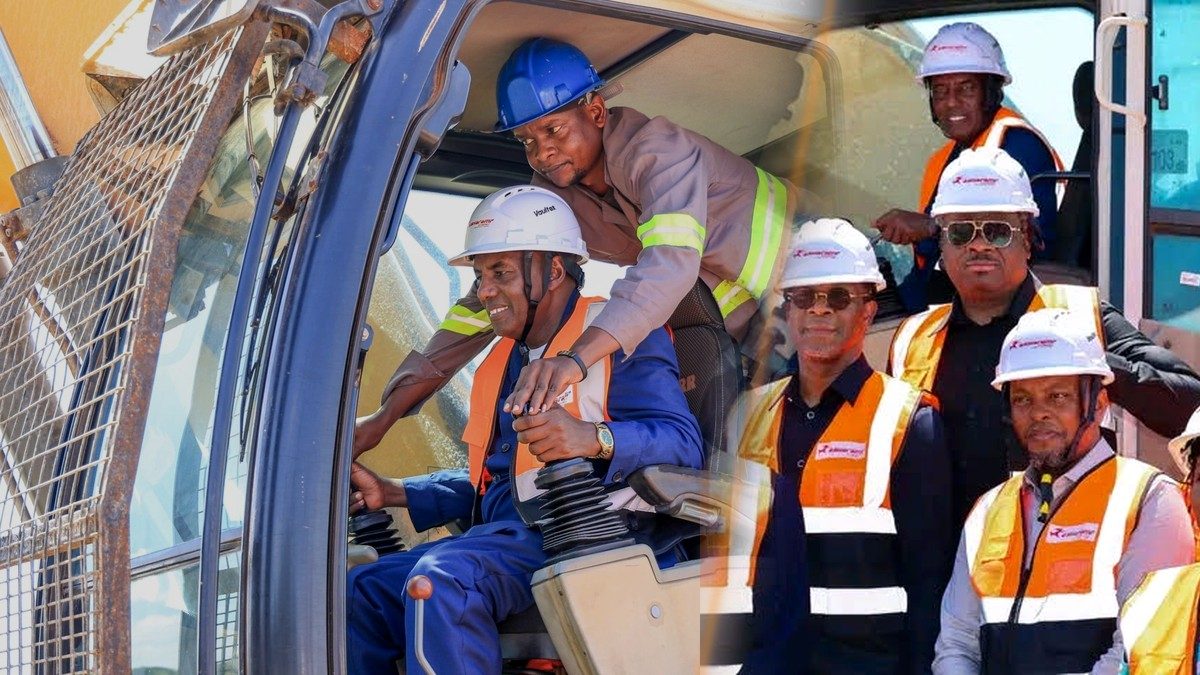
Nearly seven in 10 homes still cook with firewood and charcoal: State targets cooking gas for 10 million households by 2028 as Mombasa LPG terminal breaks ground
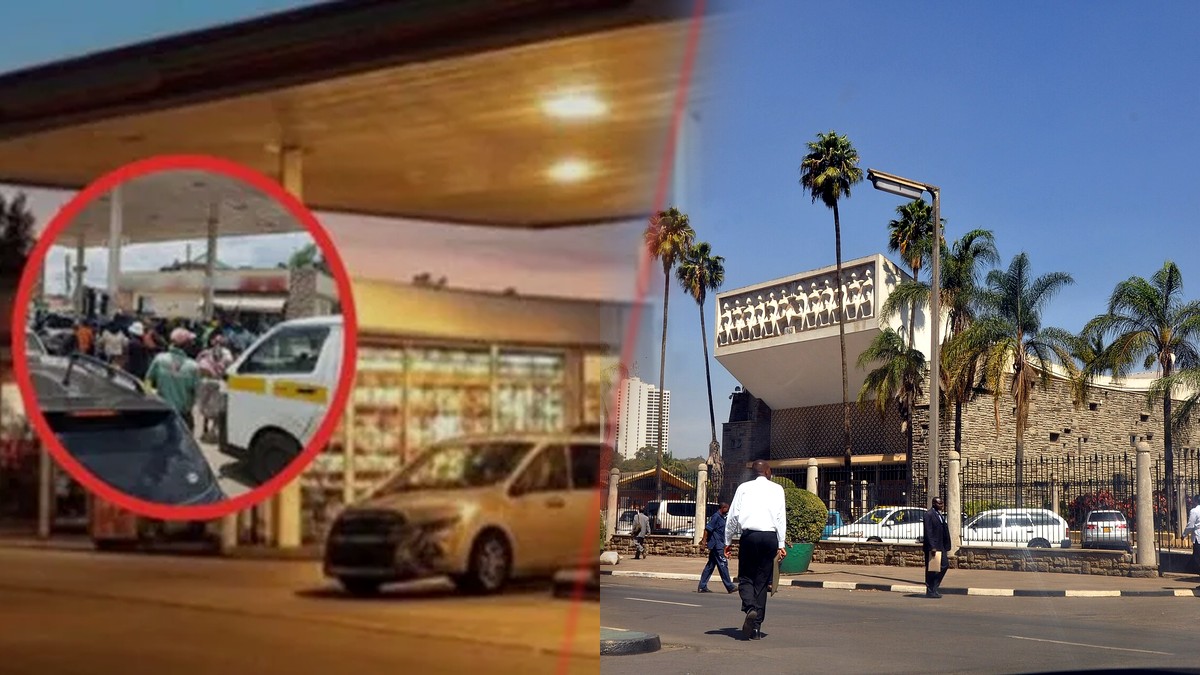
EPRA tells MPs no outside hand sets fuel prices as committee demands vernacular radio updates and adulteration crackdown
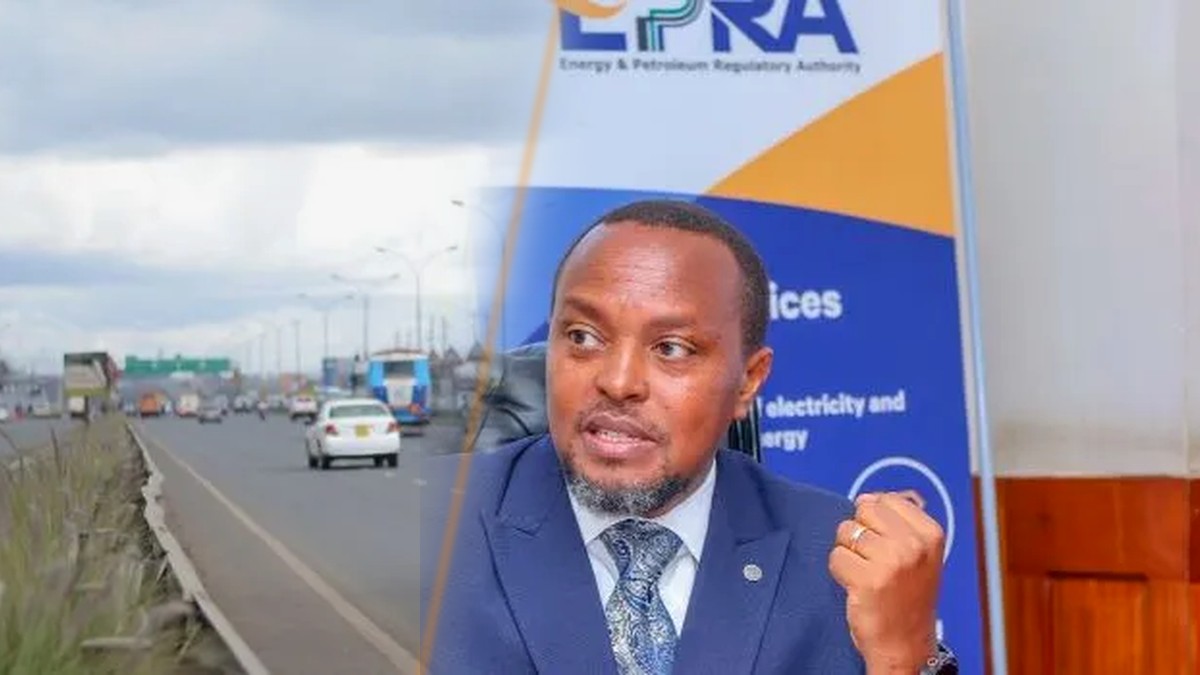
EPRA moves to make online clearance mandatory for fuel and cooking gas consignments

EPRA begins community talks in Turkana as drilling starts at Amosing oil field
Why a litre of petrol costs Sh227: inside Kenya's fuel price squeeze
Global Community Remarks
0