
Seven in 10 women journalists and activists face online attacks, UN Women study finds
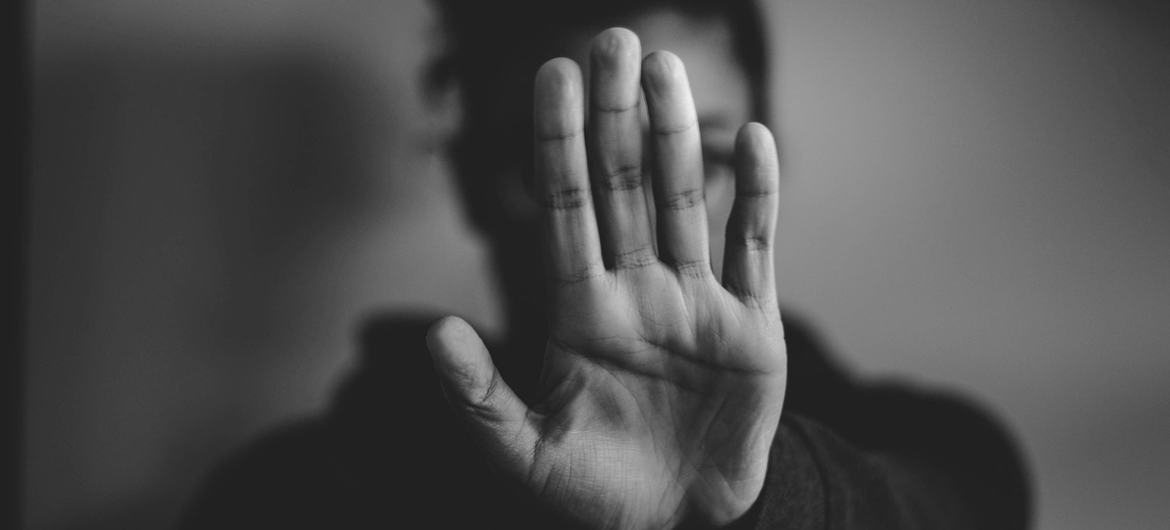
Seven in every ten women working as journalists, human rights defenders and activists have faced online attacks linked to their work over the past five years, according to a UN Women study presented at a media gathering in Mombasa.
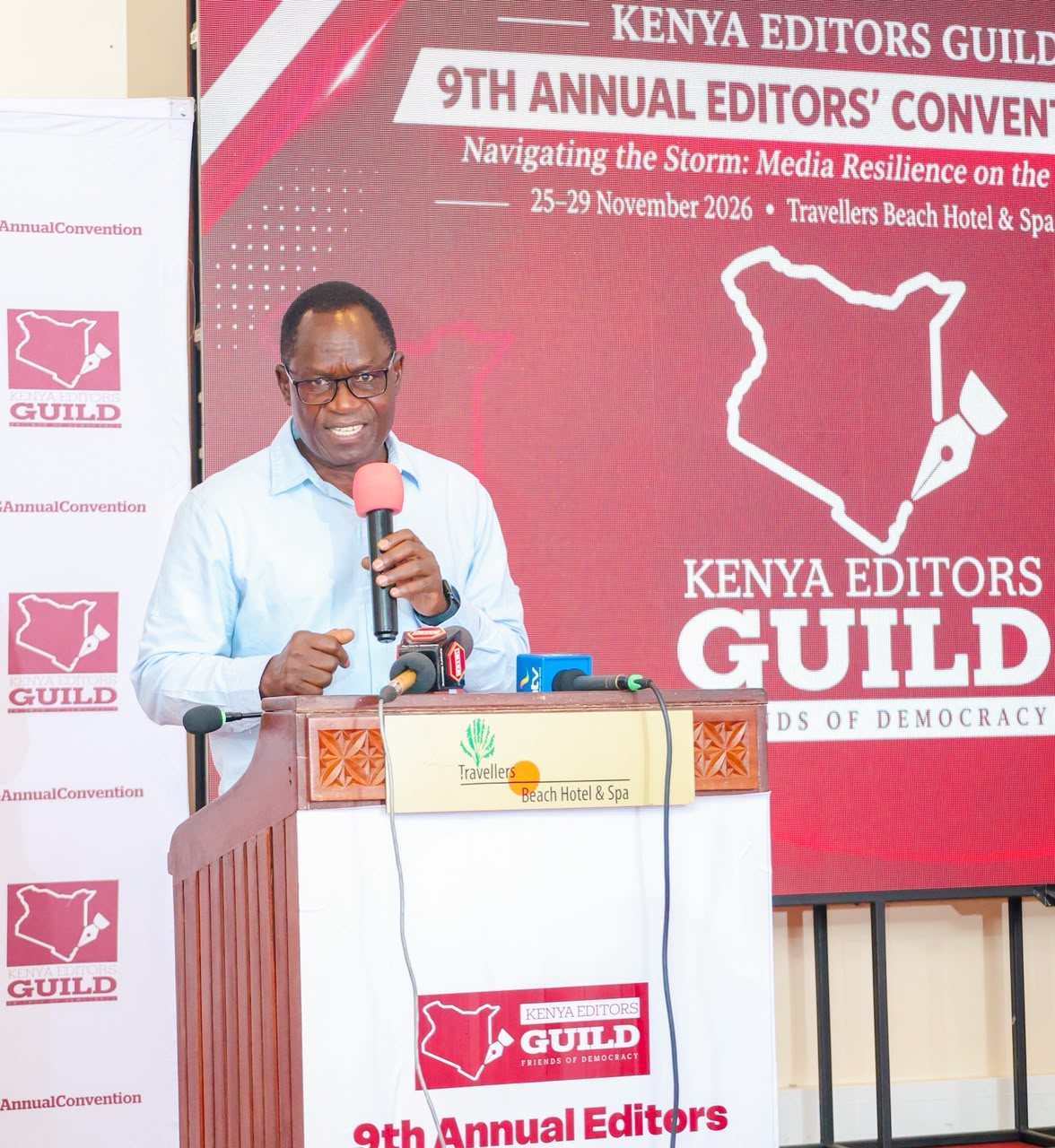
The findings were shared on Friday by Sunita Caminha, UN Women's East and Southern Africa Regional Policy Specialist for Ending Violence Against Women and Girls, during the ninth Kenya Editors Guild Convention, KBC reported.
Abuse moving beyond the screen
The research, titled Tipping point: The chilling escalation of violence against women in the public sphere, surveyed 640 women across 119 countries. Of these, 41 per cent said they had suffered offline harm connected to abuse they first experienced online.
The study also found that 23 per cent of respondents had been targeted with violence facilitated by artificial intelligence, a figure Caminha said points to new risks emerging as digital technologies evolve.
According to UN Women, online violence can no longer be treated as something that stays on the internet. The organisation says anonymity, automation, the speed at which attacks spread and their ability to cross borders are making the problem harder to tackle.
A wide range of threats
Caminha outlined several forms of violence that women journalists face, noting that each carries a gender dimension. These include:
- Restrictions on the environment in which they operate
- Threats and intimidation
- Destruction of equipment
- Psychological harm
- Physical and sexual assault
- Abduction
- In the most extreme cases, murder
Problems inside newsrooms
Beyond attacks from outside, Caminha pointed to challenges within media houses themselves. She highlighted the gender pay gap, the under-representation of women in leadership positions and the prevalence of gender-based violence both in the field and within the institutions where journalists work.
She said discriminatory social norms, including narratives around unpaid care work, leadership, decision-making, hiring and promotion, shape the distinct harms women experience in journalism and the wider media space.
Caminha called on media organisations and other stakeholders to confront norms that normalise violence, encourage victim-blaming and keep women out of leadership roles.
Calls for regulation and support
UN Women is pressing for stronger regulation of technology platforms, better mechanisms for reporting abuse and improved support systems for survivors. The organisation says protecting women also requires changing the narratives used to justify discrimination, strengthening accountability and ensuring safe workplaces.
Caminha argued that valuing the work of women journalists must go together with shielding them from intimidation and violence.
"Protecting all women from violence in the world of work will make the workplace safer for everyone," Caminha said.
She told the convention that women journalists cannot work freely or effectively while the threat of violence remains so widespread, and that recognising their contribution to media and democracy means addressing that threat directly.
The Kenya Editors Guild convention brings together editors and media practitioners to discuss issues affecting the industry.
This story was prepared by the Hamasta Newsdesk with AI assistance, based on reporting by KBC. Read the original report. Photo: KBC.
Every moment, captured beautifully.
Events, corporate portraits, products and editorial shoots by our newsroom photographers.






Read also
Isaboke urges editors not to amplify ethnic incitement ahead of 2027 polls

EACC recovers 2.7-acre Kikuyu playground after court cancels church guild's title
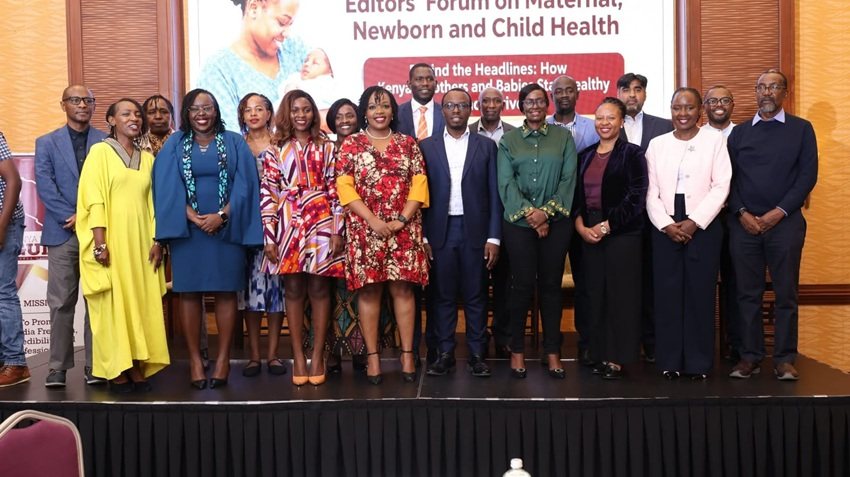
Oluga, Kananu urge newsrooms to dig deeper into maternal and newborn deaths
UN: 47,000 women and girls killed by partners or relatives in 2025, Africa worst hit
Study flags seven global traders' grip on wheat supply behind Kenya's bread, pasta prices
.jpeg)
Global Community Remarks
0