
Moroccans gather for rain prayers as worst drought in decades deepens
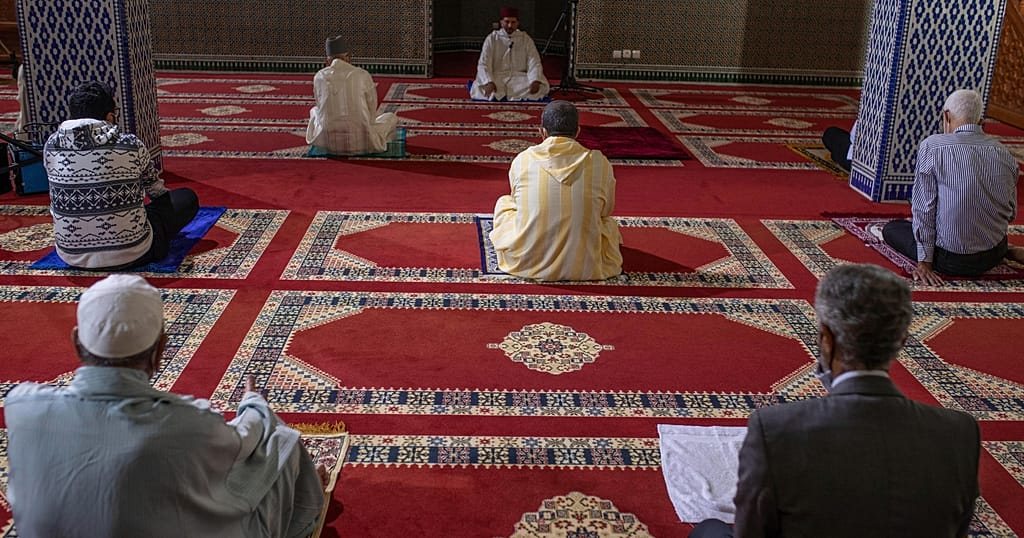
Moroccans have turned to prayer in search of relief from one of the most severe droughts the North African country has faced in decades, according to Africanews.
In the city of Salé, worshippers and Quranic schoolchildren came together on Friday to perform Salat al-Istisqa, the Islamic prayer for rain. The gathering followed a call by King Mohammed VI for the faithful to offer the prayer.
Procession and sermon
Participants first walked through the streets holding small wooden tablets bearing verses from the Quran. They then assembled inside a mosque, where an imam led the prayer and gave a sermon.
Ahmed Elgaidi, a 64-year-old imam in Salé, told Africanews that the occasion offered believers a chance to approach God with humility and to ask for forgiveness.
He said those taking part were praying for rain to fall and for relief to come to the country.
Longest dry spell on record
The prayers come against a backdrop of prolonged water stress. Morocco recorded below-average rainfall for six years in a row between 2019 and 2024, the longest such stretch on record, according to the report.
Conditions were especially harsh during the 2023–2024 hydrological year. In that period the country received only 106.4 millimetres of rain, the lowest total it has registered in more than 60 years.
The extended dry spell has heightened worries about water security, Africanews reported, with communities across the kingdom increasingly anxious for rain.
Faith and tradition in times of hardship
The prayer for rain is a long-standing practice in the Muslim world, typically performed collectively when communities face drought. In Morocco, the call by the King gives the observance national significance, bringing together religious leaders, worshippers and young students in a shared appeal.
The involvement of Quranic schoolchildren, carrying the traditional wooden tablets used in religious learning, underlined the communal and intergenerational character of the gathering in Salé.
A wider African concern
Morocco's experience mirrors challenges faced by other parts of the continent, where recurring droughts have placed pressure on water supplies and livelihoods. Kenya and its neighbours in the Horn of Africa have themselves endured severe and prolonged droughts in recent years, making the question of water security a familiar one for many African communities.
For now, Moroccans are watching the skies, hoping that the coming months bring the rainfall the country has gone without for so long.
This story was prepared by the Hamasta Newsdesk with AI assistance, based on reporting by Africanews. Read the original report. Photo: Africanews.



Grow an audience that listens.
Social media management, digital campaigns and online storytelling that converts.



More in Environment
See all
Global surface water suffers record drop as France battles drought, study finds
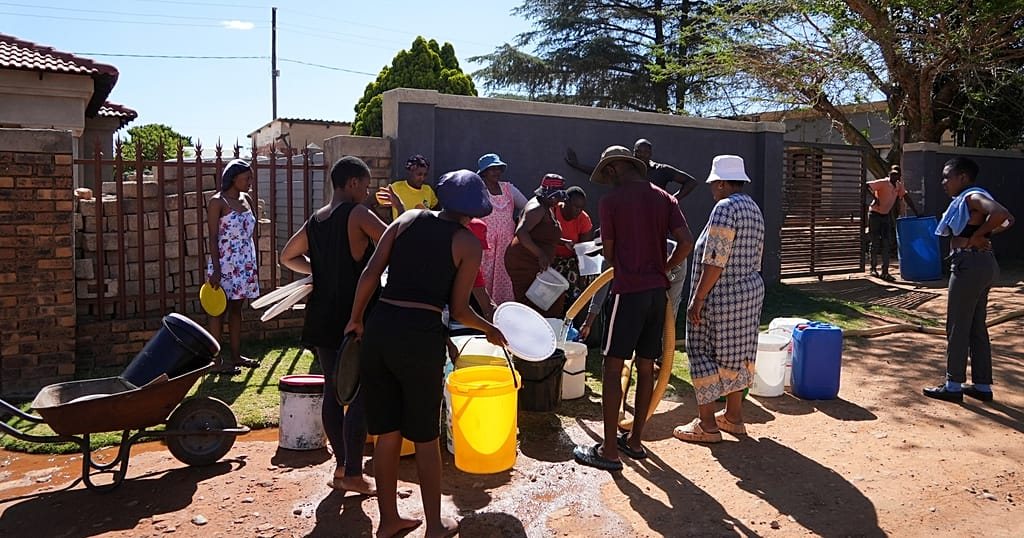
South African cities tighten water curbs as strong El Niño raises drought fears
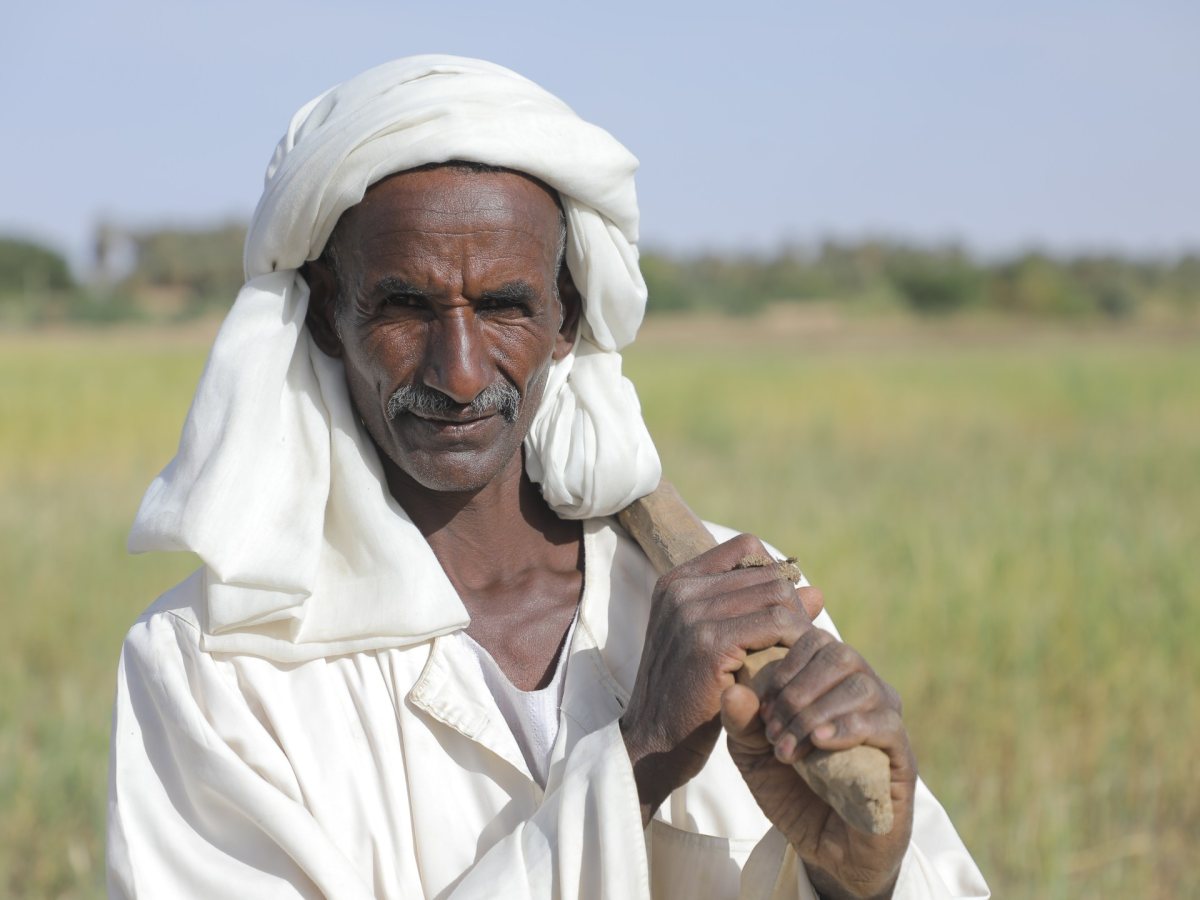
Sudan's farmers squeezed as war damage and drought choke water supplies
Mauritius drought slashes farm output as El Niño heat drives up food prices
Senegal celebrate as Cas restores Afcon 2025 title; Morocco vow to keep fighting
Global Community Remarks
0