
Venezuela moves to scrap law used to bar opposition figures from public office
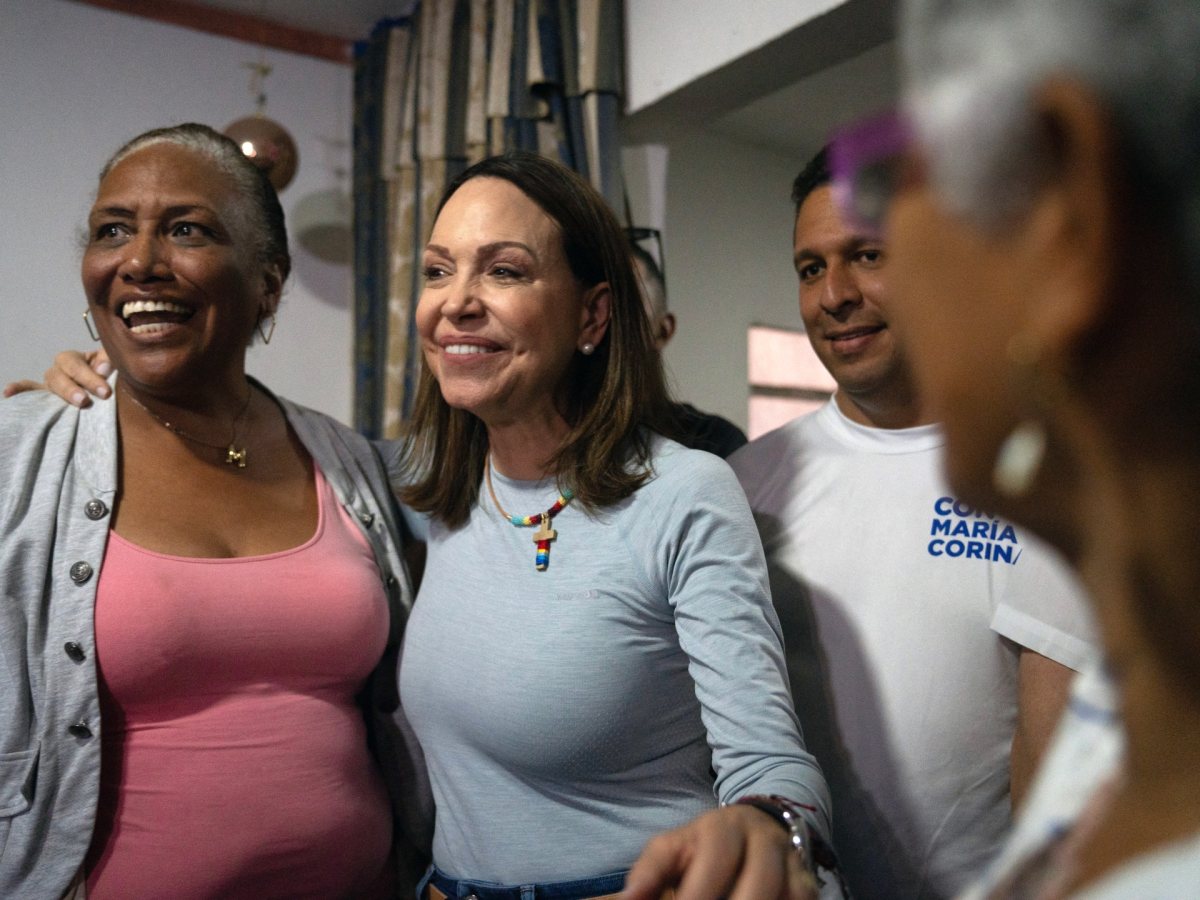
Venezuela will repeal a law that has kept opposition figures out of public office, the head of the country's National Assembly, Jorge Rodriguez, announced on Thursday, according to Al Jazeera.
The legislation, passed in 2024, was aimed at people accused of promoting or backing sanctions against Venezuela. Critics have long argued that it was used to persecute political opponents.
Rodriguez defended the law's origins while confirming its removal. "That law responded to a very specific moment in a particular situation that Venezuela was going through," he said.
A law born of disputed elections
The measure was adopted shortly after a tense presidential election that then-president Nicolas Maduro ultimately won, amid widespread allegations of vote fraud.
According to Al Jazeera, Venezuela has since January been governed by an interim administration led by Delcy Rodriguez, the sister of the parliamentary chief, following Maduro's abduction by United States forces.
Speaking at the United Nations in September, Delcy Rodriguez pledged that the country would hold free and fair elections, though she gave no date for the vote.
Review agreed in transition talks
The US-backed interim government has been holding political transition talks with sections of the opposition chosen by Washington. Jorge Rodriguez said those discussions had produced an agreement to review a number of laws, including the one now set to be repealed.
The announcement comes about a month after opposition leader Maria Corina Machado made an unexpected return to Venezuela from exile, a move that unsettled the country's political landscape.
Machado, a Nobel Peace Prize laureate, won the opposition primary in 2023 to challenge Maduro in the 2024 election but was legally prevented from standing. She is widely expected to seek office should an election be called, even though she has been left out of the transition negotiations.
Machado launches neighbourhood assemblies
Despite her exclusion from the talks, Machado on Thursday unveiled a network of neighbourhood assemblies intended to collect ideas for a future government programme and a democratic transition.
Her team said the assemblies are expected to draw more than a million participants over several months. On the first day alone, roughly 2,000 meetings were held with residents both inside Venezuela and in the diaspora, her team told the AFP news agency.
Each assembly works through 19 questions, with answers uploaded to a digital platform. The topics cover matters of national interest, including when a presidential election should be held, reforms to the justice, education and health systems, wages and pensions, and the respective roles of the public and private sectors.
In a social media post after the first meetings, Machado described the process as an effort to shape the country's future from the ground up. "We are designing the transition to democracy, the Venezuelan way," she wrote.
What comes next
No timeline has been given for when the repeal will take effect, and no election date has yet been set. The scrapping of the law could, however, remove one of the legal obstacles that has kept prominent opposition figures off the ballot, as Venezuela's political transition continues to unfold.
This story was prepared by the Hamasta Newsdesk with AI assistance, based on reporting by Al Jazeera. Read the original report. Photo: Al Jazeera.




Know what people say about you.
Media monitoring, audience insights and strategic communication for your brand.


More in International
See all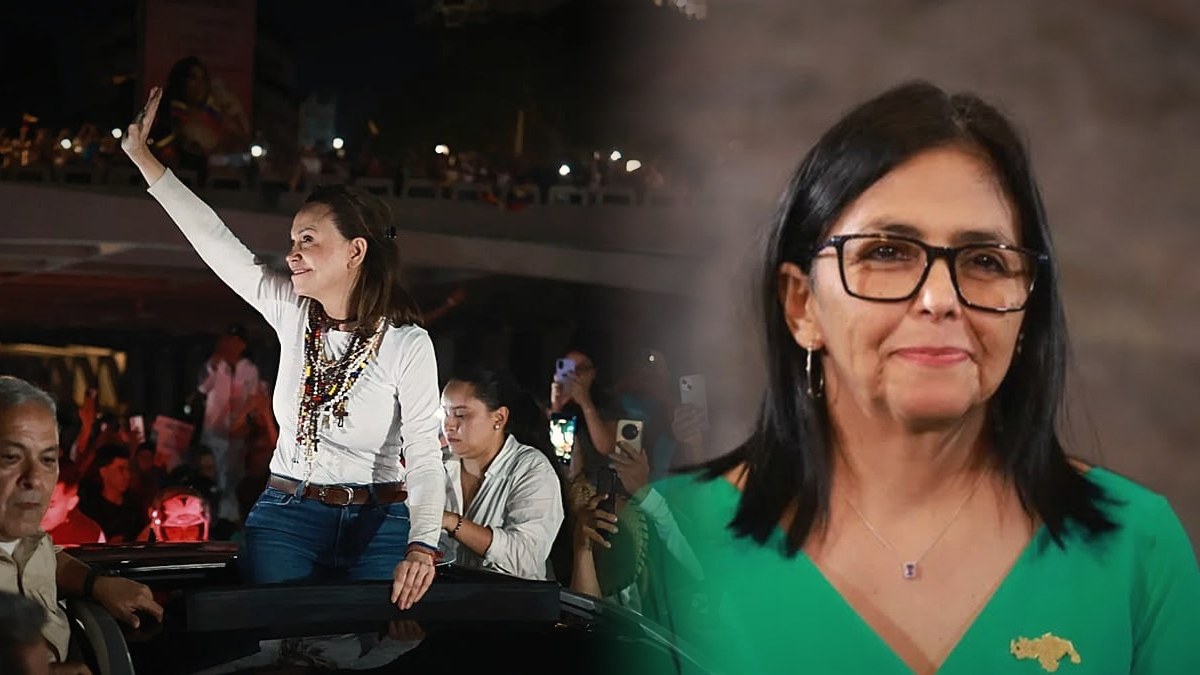
Machado returns to Venezuela after 10 months in exile, offers talks with interim President Delcy Rodríguez
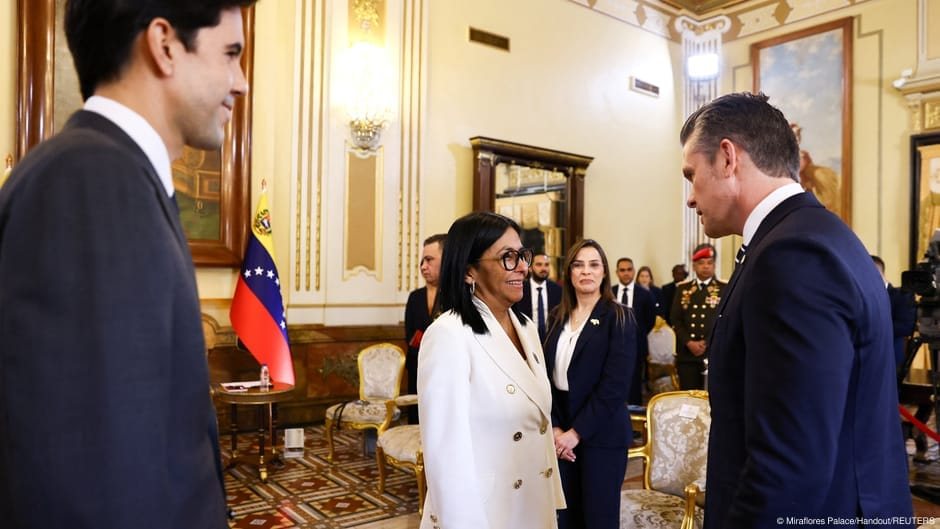
Hegseth signs military cooperation deal with Venezuela on Caracas visit

Trump faces scrutiny over $12bn in Venezuelan oil money as Democrats plan probes
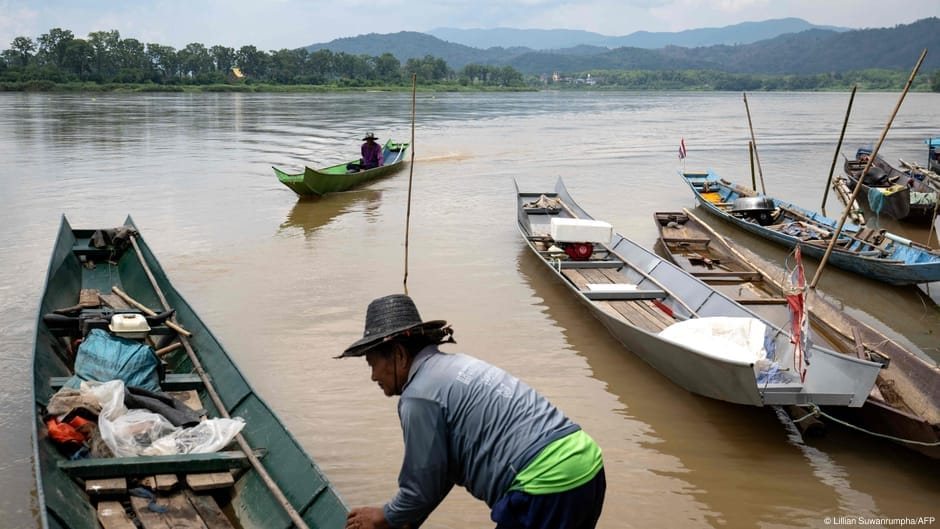
Thailand presses Myanmar over arsenic pollution from rare earth and gold mines

Diaspora Kenyans rally behind homeless woman in US with funds, job and housing offer

Global Community Remarks
0