
Yemen: Food fills markets in the north, but families can no longer afford to eat
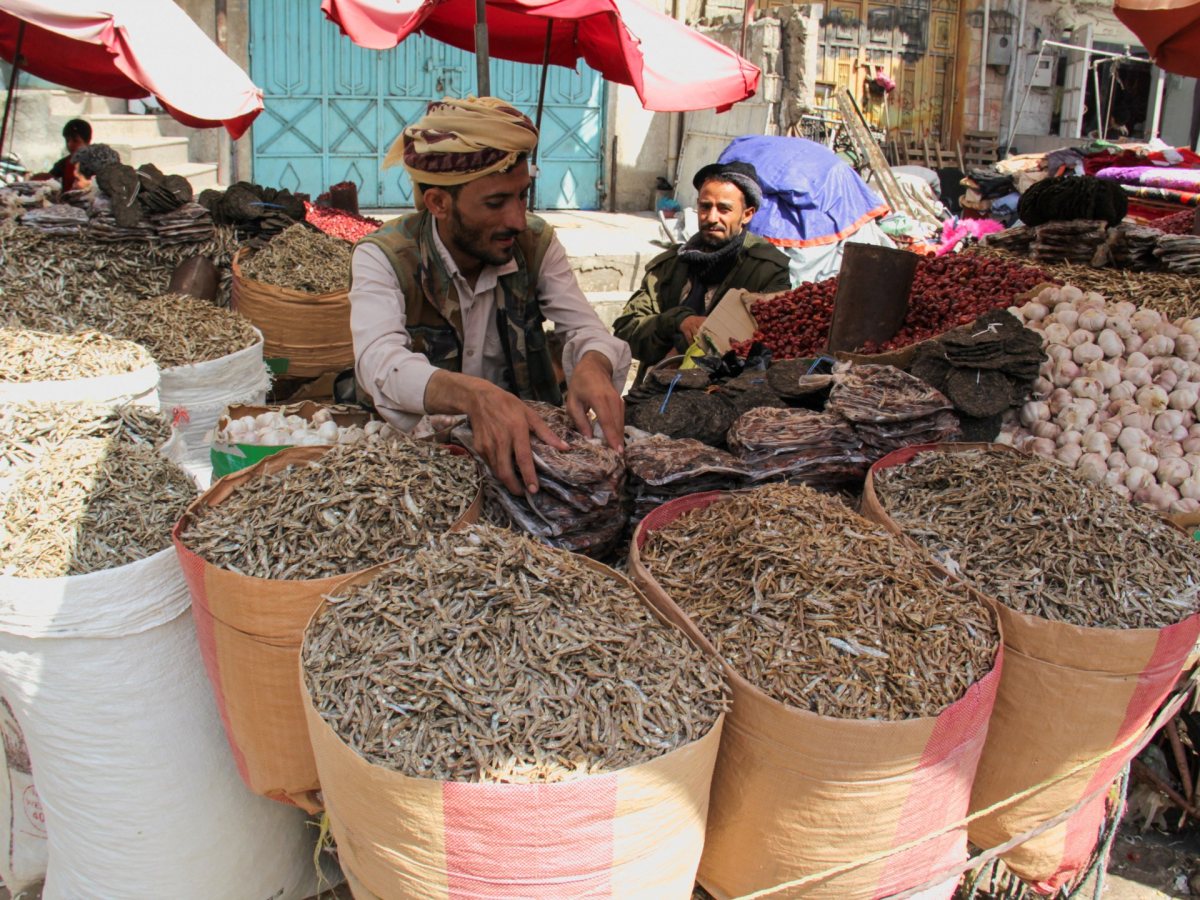
Families in northern Yemen are going hungry even though basic foods such as flour and cooking oil remain available in markets, as rising prices, a shortage of paid work and the loss of food aid put supplies beyond their reach, according to Al Jazeera.
The Yemen Joint Monitoring Report, a humanitarian and food security assessment, found that food was available in the markets monitors could reach in September, but households had less money to spend. In Houthi-controlled areas such as the Red Sea port city of Hodeidah, the cost of a basic food basket rose by about 7 percent, or $91, compared with August, reaching its highest point in a year.
On Friday, the UN World Food Programme (WFP) and the Food and Agriculture Organization (FAO) listed Yemen among the hunger hotspots of highest concern for the six months to May 2027.
Too little work, too little pay
The Famine Early Warning Systems Network (FEWS NET) says families on both sides of the front lines are struggling, and that prices are actually climbing faster in the government-held south. What distinguishes the Houthi-held north is how little people earn and how little assistance remains.
Most households in and around northern towns find only five to 10 days of paid work each month, FEWS NET reported in October. It also said higher taxes on street vendors and shops had cut demand for labour, and expects more small businesses to shut or hire fewer people through May 2027.
Workers in Hodeidah told Al Jazeera their incomes have collapsed. A motorcycle taxi driver said his takings now barely cover fuel and rental costs as former customers choose to walk. A daily-wage construction worker said a single day's pay no longer stretches across several days of family needs. A fisherman said higher costs for fuel and equipment, combined with fewer buyers, meant some trips barely paid for themselves.
Umm Sami, a widow raising four children, said she now buys flour or oil in quantities that last a single day.
"Even bread has become a burden," she told Al Jazeera.
In the poorest neighbourhoods of Hodeidah, many people skip meals or go without meat, fish, milk and fruit, Al Jazeera found.
Fuel shortages and attacks on ports
Yemen imports about 90 percent of its food, according to WFP, and Hodeidah is the main port serving the north, including the capital, Sanaa. Food imports into Houthi-held areas have risen, but fuel has not kept pace. The FAO said fuel imports fell by about 85 percent year-on-year in August, with no recorded diesel or petrol arrivals at northern ports.
In September, Houthi authorities raised petrol prices by about 10 percent, the first increase in four years, while bread prices in their areas rose 25 percent that month, FEWS NET said.
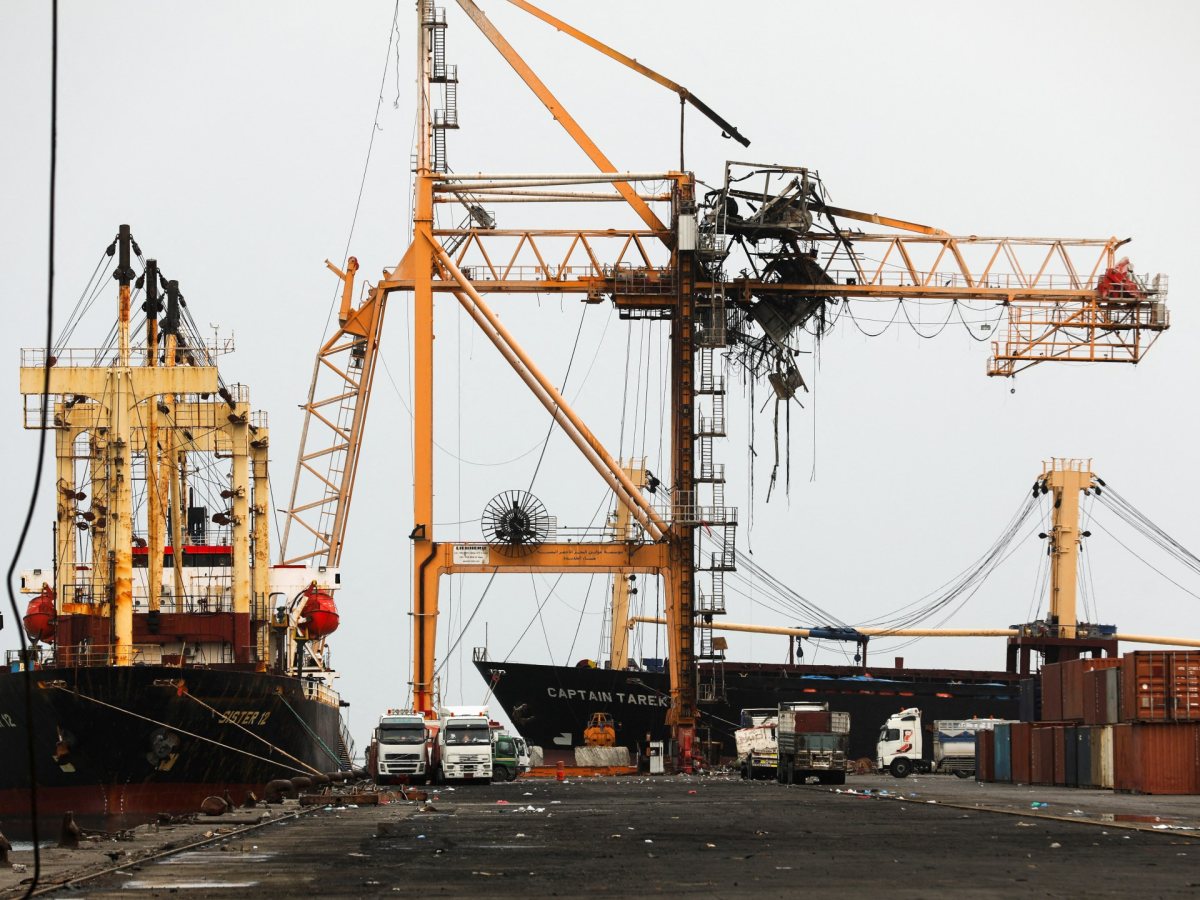
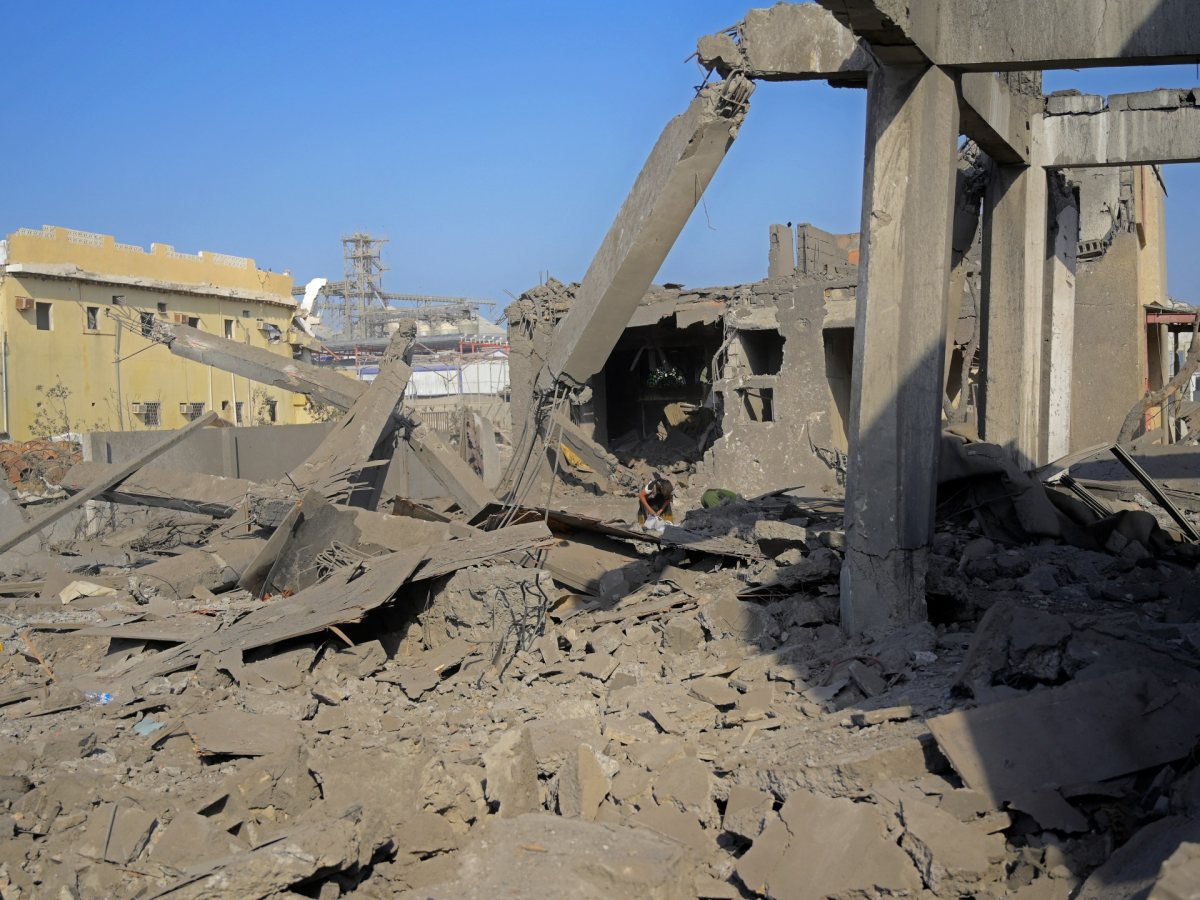
Ports have also been targeted. Houthi-run Al Masirah TV said Saudi aircraft struck a pier and a commercial ship at Ras Isa port on November 2, AFP reported. The Saudi-led coalition said on Tuesday it had attacked targets in Hodeidah, and the Houthis threatened retaliation against Saudi Red Sea ports. Hodeidah port remains open, but the impact on deliveries is unclear.
A shopkeeper in Sanaa told Al Jazeera that trucks between the south and north now take up to a week, compared with three days or less before renewed fighting, with the extra costs passed on to shoppers.
Aid lifeline cut
WFP suspended its food assistance in Houthi-controlled areas in September 2025 after the group detained UN staff. Last month, the agency said 73 UN personnel, including 38 of its own employees, were still being held.
The Norwegian Refugee Council said on Thursday that a small number of overstretched Yemeni and international groups were now the only lifeline for millions in the north, and that donors had provided just 16 percent of the funding sought for food security across Yemen this year.
There is no recent nationwide hunger analysis covering Houthi-held areas. In mid-2025, UN agencies projected that 18.1 million people, 52 percent of the population covered, would face crisis-level hunger or worse between September 2025 and February 2026. FEWS NET expects emergency levels of hunger to persist in Hodeidah and Hajjah through May 2027, and warns of a credible risk of famine in besieged Taiz if the siege tightens.
This story was prepared by the Hamasta Newsdesk with AI assistance, based on reporting by Al Jazeera. Read the original report. Photo: Al Jazeera.





Show the impact of your work.
Impact stories, campaign videos and community engagement for NGOs and programmes.

More in International
See all
UN warns hunger will worsen in 16 hotspots as conflict and El Nino bite
Saudi-led strikes on Hodeidah port raise fears for Yemen's aid lifeline

Houthi media say Saudi-led air strike killed 11 civilians in Yemen's Taiz
WFP warns wars at three sea chokepoints put food aid for 7.3 million at risk
Houthis strike Saudi Red Sea ports as Yemen conflict escalates

Global Community Remarks
0