
UN warns hunger will worsen in 16 hotspots as conflict and El Nino bite
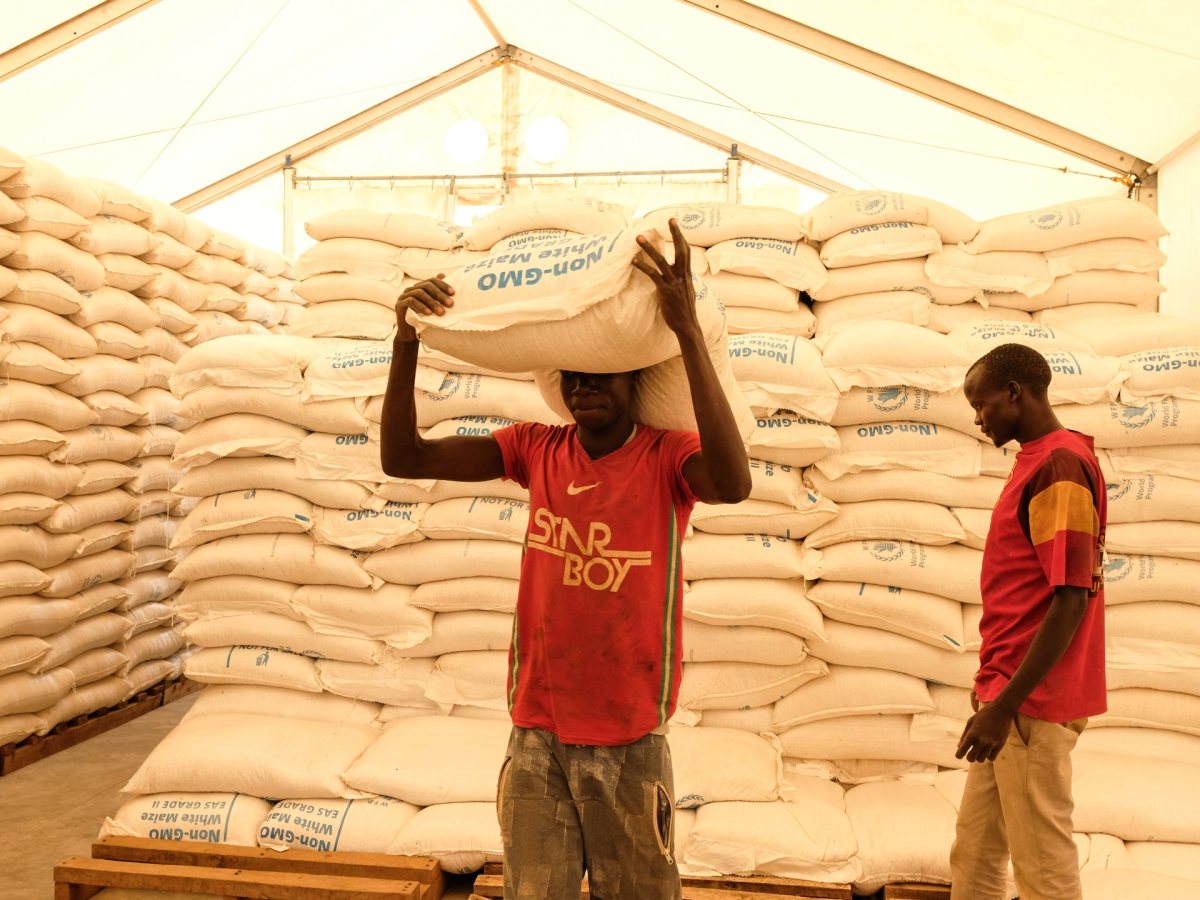
Hunger is expected to deepen sharply in 16 hotspots around the world over the next six months, with armed conflict and extreme weather pushing several African countries towards famine, two United Nations agencies have warned.
The Food and Agriculture Organization (FAO) and the World Food Programme (WFP) said in a report released on Friday that Sudan, South Sudan, Somalia, northern Nigeria and Yemen face the most serious risk of famine, according to Al Jazeera.
The agencies blamed a mix of violence, displacement, economic hardship and extreme weather, including the El Nino climate phenomenon.
Hotspot list grows
The report, published twice a year through the Global Network Against Food Crises, covers the period from December 2026 to May 2027. It lists more hotspots than the 13 identified in June.
Chad, Uganda, parts of Southern Africa and parts of Central America have been added. Lebanon has been removed from the list.
Armed conflict and violence are the main drivers of hunger in 12 of the 16 hotspots, the agencies said. Rising food, energy and transport costs are also making it harder for households to feed themselves.
El Nino a growing threat
El Nino is a key factor behind three of the four newly added hotspots: Southern Africa, the Central American Dry Corridor and northeastern Uganda.
The World Meteorological Organization (WMO) expects El Nino to strengthen to exceptional levels in the coming months, raising concern about its effect on harvests and food supplies.
The inclusion of Uganda, alongside Somalia and South Sudan, means several of Kenya's neighbours now feature on the UN's list of places where hunger is set to worsen.
Aid funding falls by nearly two-thirds
The agencies warned that shrinking humanitarian funding is undermining efforts to prevent catastrophe.
In the five countries considered most at risk, all of which have appeared repeatedly on the hotspot list since 2022, humanitarian assistance fell from $5.1 billion to $2 billion between 2022 and 2025, a drop of nearly two-thirds.
The FAO and WFP said conflict, economic shocks, climate extremes and restricted access remain the main causes of the crises, but that dwindling resources have weakened the ability to protect earlier progress and stop conditions from getting worse.
Past aid had helped to avert famine, the agencies noted, but they cautioned that "the gains proved fragile and of limited duration", with the risk of famine returning within a few years.
Sudan, Somalia and South Sudan
In Sudan, famine remains a risk in 13 areas of North Darfur and South Kordofan through January 2027. Fighting continues to disrupt food production, markets and the delivery of aid, the report said.
The agencies also flagged famine risks in parts of Somalia and South Sudan, where escalating violence has made an already dire humanitarian situation worse.
Other areas of concern
Afghanistan, Haiti, the Democratic Republic of the Congo and Gaza were classified as areas of very great concern.
Gaza was moved down from the highest level of concern after modest improvements in food security following the October 2025 ceasefire. However, the agencies said conditions there remain fragile.
In the occupied West Bank, acute food insecurity is expected to worsen, the report added.
The findings underline how conflict, climate shocks and falling donor support are combining to put millions of people at risk, with Africa accounting for many of the worst-affected areas.
This story was prepared by the Hamasta Newsdesk with AI assistance, based on reporting by Al Jazeera. Read the original report. Photo: Al Jazeera.
Every moment, captured beautifully.
Events, corporate portraits, products and editorial shoots by our newsroom photographers.






More in International
See all
WFP warns wars at three sea chokepoints put food aid for 7.3 million at risk
UN says drones killed 306 Sudanese in three weeks as UK-led coalition warns of looming famine

Somalia Speaker Accuses Kenya, Ethiopia, Uganda of Colluding With Al-Shabaab
UN to shut down its political mission in Somalia on October 31, ending more than three decades of missions
Sudan's farmers squeezed as war damage and drought choke water supplies

Global Community Remarks
0