
Sudan launches 50-day clean-up as rubbish piles up on Khartoum's streets
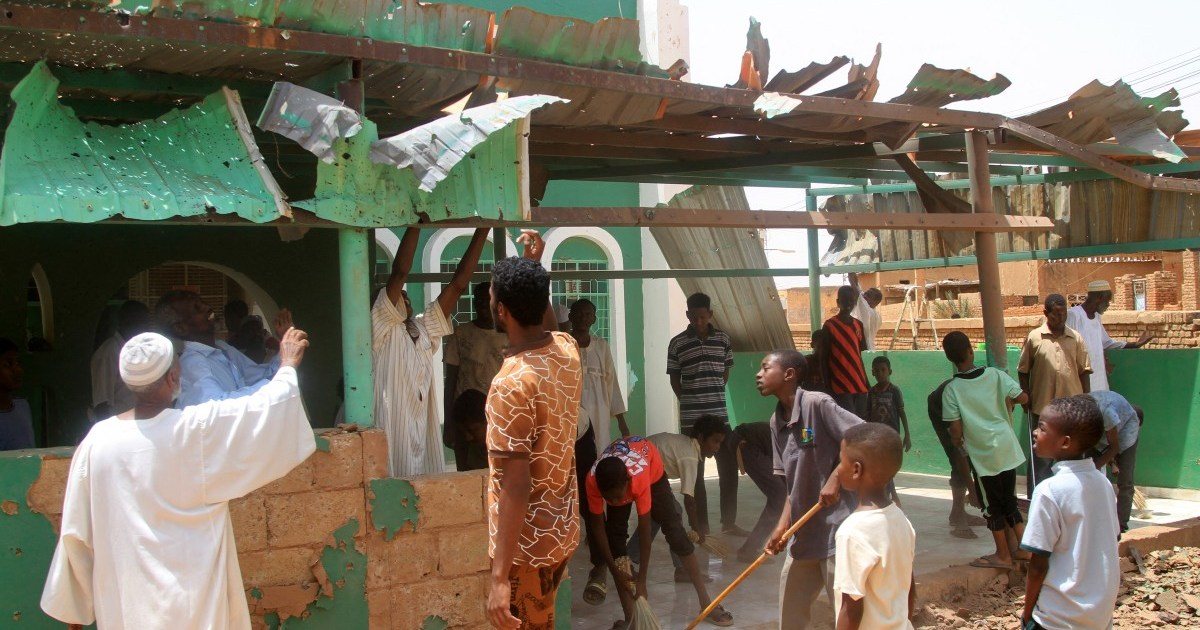
Sudan's government has launched a 50-day sanitation campaign in Khartoum State as uncollected rubbish overwhelms neighbourhoods in the capital, where millions of people have returned after fighting moved away from the city, according to Al Jazeera.
The drive brings together government institutions, ministries and other sectors of society. It comes as the authority responsible for cleaning the state says about 90 percent of its sanitation and waste transport fleet was lost to theft or damage during the war.
A city of returnees
The Sudanese Armed Forces (SAF) recaptured Khartoum in March 2025 after fighting the Rapid Support Forces (RSF), their former allies, since April 2023. A curfew and the state of emergency were later lifted, and residents began returning.
By October 28, 2026, about 2.88 million people had returned to Khartoum State, more than to any other state in Sudan, Al Jazeera reported. Khartoum and neighbouring Omdurman have also taken in millions fleeing fighting in western and southern Sudan.
The war has killed tens of thousands and displaced about nine million people, creating one of the world's worst humanitarian crises.
Musa Abdelrahman, 54, returned from Egypt under a government repatriation scheme to his home near Khartoum International Airport, once one of the conflict's epicentres. He told Al Jazeera the rubbish problem had begun to affect daily life, not just the look of the city, and called for collection trucks to operate regularly.
Collectors without trucks
Refuse worker Saeed Koko said that before the war most residential areas had fairly regular collection, although waste management had long been a problem. Today, he said, trucks mainly serve the major markets, leaving many neighbourhoods without service. He added that the conflict had displaced workers and that some had been lost.
The Khartoum State Cleaning Cooperation said its losses include 127 smaller collection vehicles and roughly 9,000 large containers once placed in markets, neighbourhoods and public squares. Vehicles, maintenance workshops and spare parts warehouses were damaged in the fighting.
A UNHCR report on conditions facing returnees to Khartoum also cited the lack of solid waste management as a growing concern.
Health fears
With rubbish going uncollected, some residents have resorted to burning it. Sawsan Omar, who has returned to Omdurman, said families sometimes cannot open windows or sit outside because of the smell and smoke, and that children and older people worry her most.
Public health specialist Dr Al-Fatih Mahmoud warned that repeated exposure to the fumes can irritate the eyes, nose and throat and worsen asthma and bronchitis. He said the waste heaps encourage flies, mosquitoes and rodents, and could raise the risk of diarrhoea, typhoid and cholera, as well as insect-borne illnesses such as malaria and dengue, depending on conditions.
Wider recovery efforts
Mineral Resources Minister Nour al-Daem Taha, who heads the committee overseeing the campaign, said central government would mobilise available resources, repair whatever machinery can be restored and enlist companies and businesspeople.
Authorities are also clearing wrecked and abandoned vehicles from roads. Japan and the Japan International Cooperation Agency, working with UN-Habitat, announced a $4.5m project on November 4, 2026 to help clear rubble in Khartoum State.
Political analyst Ali Mansour Hasballah told Al Jazeera that temporary clean-ups were not enough, arguing that public service institutions, equipment and the workforce must be rebuilt.
Residents fear the campaign will favour high-profile areas. Omar said it should reach side streets and residential neighbourhoods, and deliver results that last beyond the 50 days.
"It should not be limited to markets, government institutions and public facilities," Omar said.
This story was prepared by the Hamasta Newsdesk with AI assistance, based on reporting by Al Jazeera. Read the original report. Photo: Al Jazeera.





Show the impact of your work.
Impact stories, campaign videos and community engagement for NGOs and programmes.

More in International
See all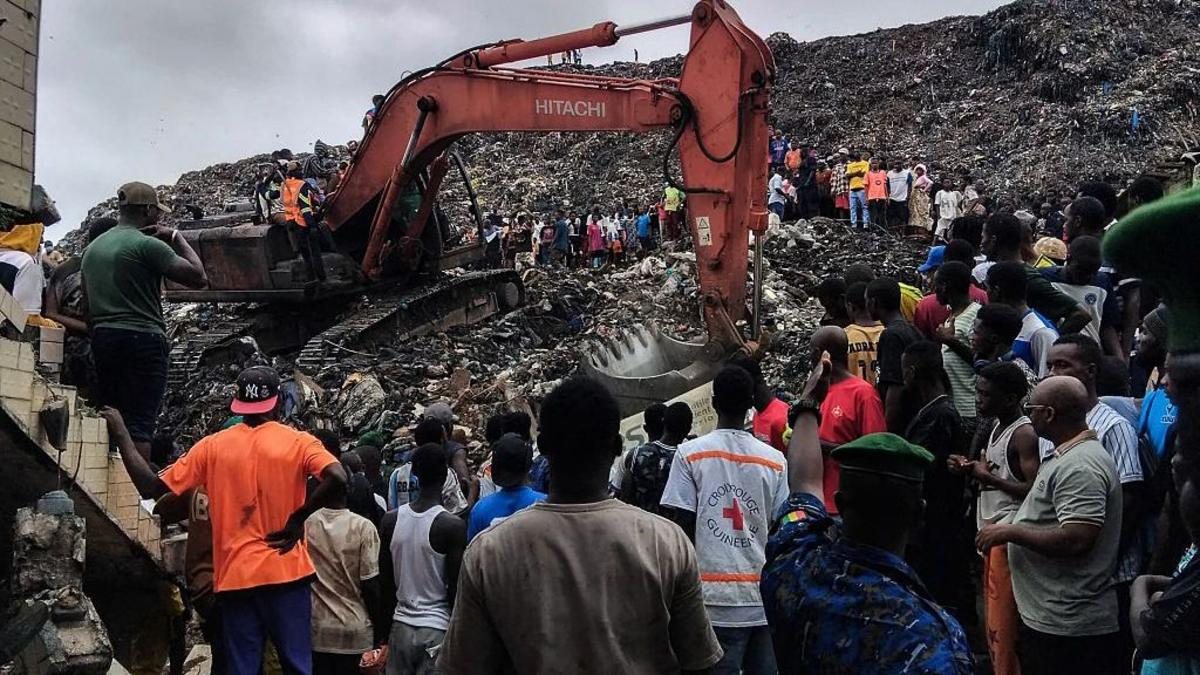
Guinea orders Conakry clean-up after deadly rubbish dump collapse
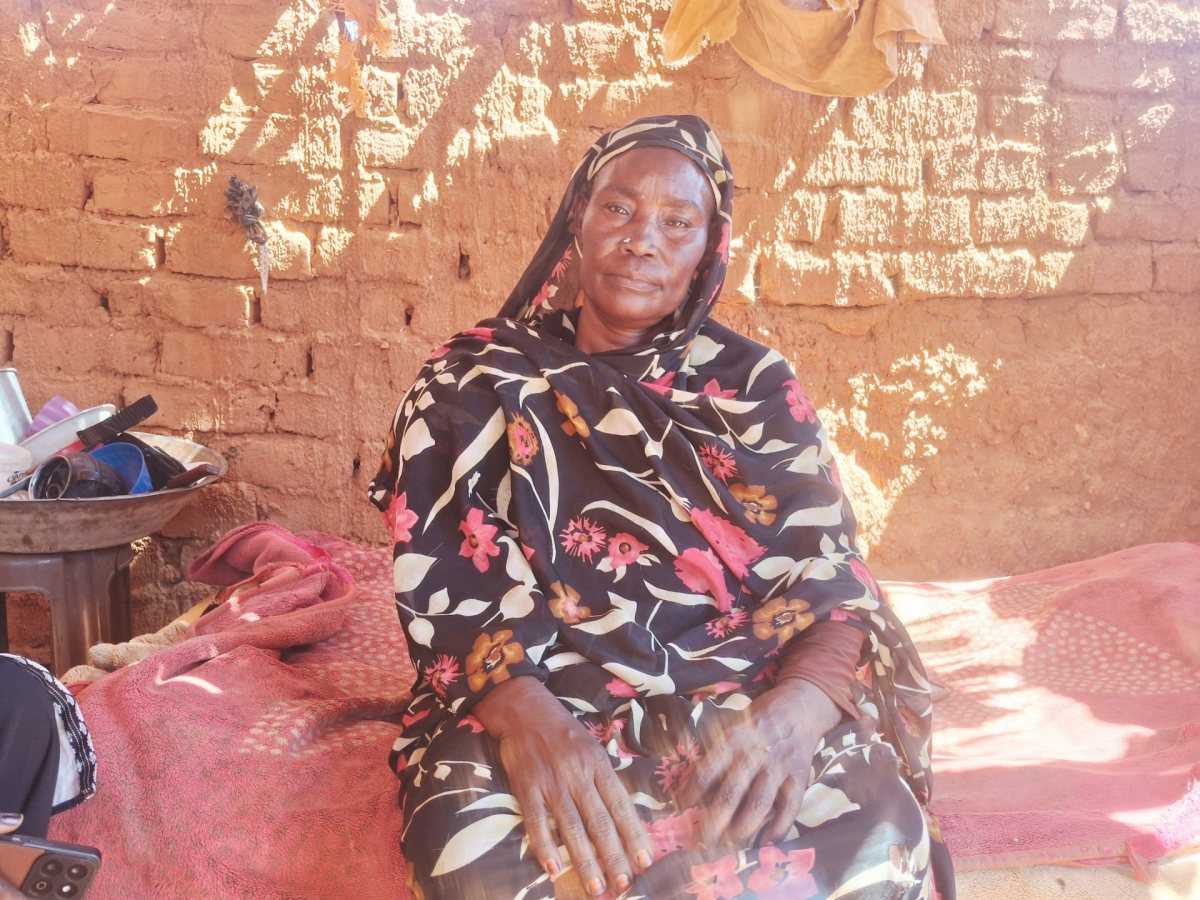
Darfur families displaced to Khartoum brace for cold winter as Sudan aid dries up
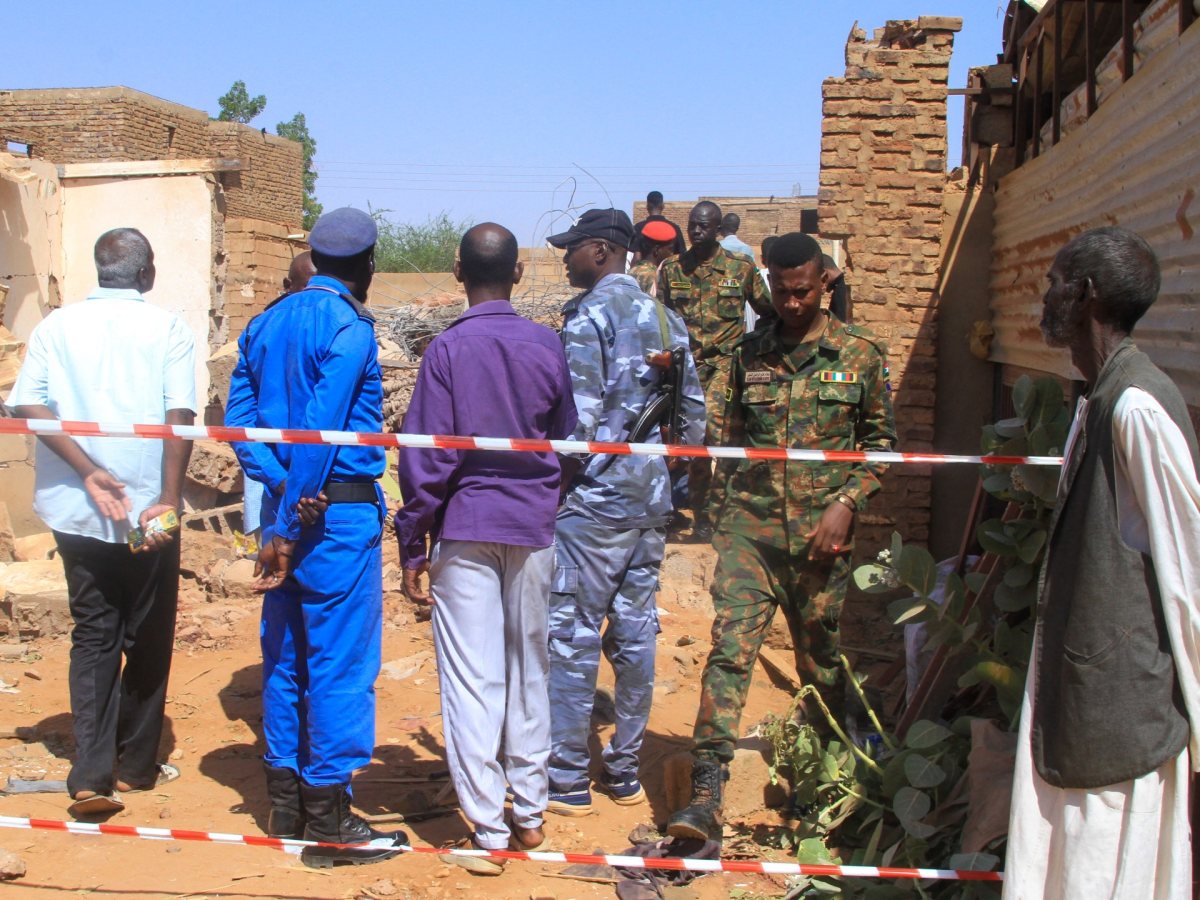
Drone strikes kill four around Khartoum as UN building is damaged
Sudan war trauma fuels surge in drug addiction among young people
RSF drone strikes kill at least 19 in Sudan's Blue Nile state

Global Community Remarks
0