
Norse Atlantic collapses as Iran war fuel shock claims another airline
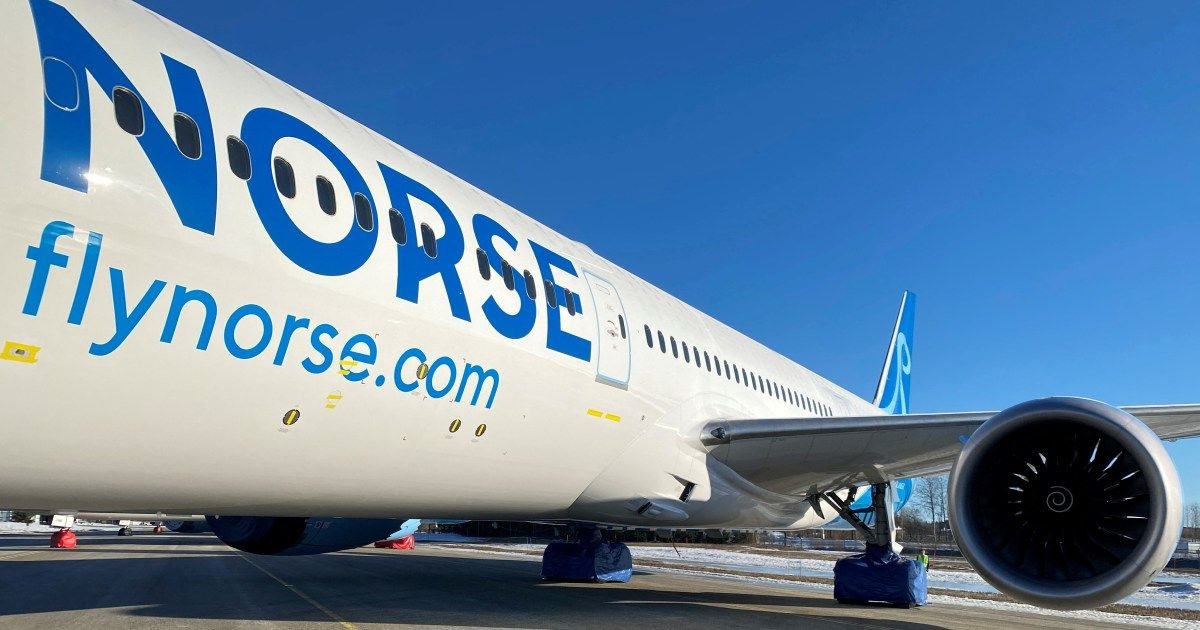
Norwegian low-cost carrier Norse Atlantic has filed for bankruptcy for its main operating company, cancelling all flights and stopping ticket sales after it failed to secure short-term financing, according to Al Jazeera.
The airline is the latest to buckle under jet fuel prices that have surged since the United States-Israel war on Iran began in late February and disrupted shipping through the Strait of Hormuz, a vital route for Gulf oil and refined fuel.
The board of Norse Atlantic Airways AS lodged the petition with the Agder District Court on Friday, saying there was no longer any basis to keep operating. The move followed the suspension of all flights a day earlier and a warning two days before that the company's finances were critical. Its shares fell 85 percent on Thursday.
"Fuel is what toppled this company," Chief Executive Eivind Roald told Norwegian broadcaster NRK.
The bankruptcy applies only to the Norwegian operating unit. Roald said the listed parent, Norse Atlantic ASA, and its UK subsidiary were still searching for a solution for the rest of the business.
No fuel hedging
Aviation analyst John Strickland told Al Jazeera that, unlike many rivals, Norse had not hedged its fuel purchases at all, leaving it fully exposed to spot prices on fuel-hungry long-haul routes. He added that nervous passengers and tough transatlantic competition compounded its problems.
The airline had been shrinking for months. Roald said in May that more than 700 flights had been cancelled since the war started and 75 jobs cut to save $50m. Its Los Angeles summer schedule was dropped in April, and New York routes were later withdrawn.
The decisive blow came when lessors of its Boeing 787 fleet issued termination notices for every aircraft, a decision Norse is challenging. Strickland said the airline had enjoyed favourable lease terms it was unlikely to secure again.
A growing list of casualties
Norse joins several carriers that have failed or restructured during the crisis:
- Spirit Airlines, the US ultra-low-cost carrier, ceased operations on May 2 after talks over a $500m federal rescue collapsed.
- airBaltic, Latvia's national airline, entered Chapter 11 restructuring in the US and said in October it would shed 500 to 700 of about 3,000 jobs.
- Volotea, based in Barcelona, opened pre-insolvency talks with creditors in September, estimating extra fuel costs of about 150 million euros.
- Plus Ultra of Spain suspended flights to Colombia, Buenos Aires and Lima, leaving Venezuela as its only market.
Larger airlines have also cut back. United Airlines reduced capacity on weaker routes, while KLM and Finnair have extended suspensions of flights to Gulf hubs into 2027.
Fuel prices more than doubled
According to the International Air Transport Association (IATA), jet fuel averaged about $99 a barrel the day before the war and more than doubled to $209 in April. It averaged about $190 in early October, and above $200 in Europe.
Gulf refineries supplied roughly a fifth of global jet fuel and kerosene exports before the conflict, and disruption has pushed jet fuel's premium over crude to record levels. IATA expects the industry fuel bill to climb to about $350bn this year from $252bn in 2025, and forecasts global airline profits will halve to $23bn.
Travellers are bearing part of the cost. US airfares were 23.4 percent higher in August than a year earlier.
Gulf carriers hold on
Emirates, Qatar Airways and Etihad halted operations in the war's most intense phase and still fly reduced schedules. Emirates reported a 68 percent fall in half-year pre-tax profit to $1bn. Yet the Gulf airlines remain profitable, helped by cheaper regional fuel, $1.9bn in hedging gains at Emirates, large cash reserves and thinner foreign competition.
The outlook remains uncertain. Panellists at an IATA forum warned prices could spike again in 2027, and some airlines are testing whether they could survive $200-a-barrel fuel, Reuters reported. Ryanair has hedged only about a quarter of its fuel for the year from April 2027, and Turkish Airlines just 12 percent, pointing to higher fares and further route cuts.
This story was prepared by the Hamasta Newsdesk with AI assistance, based on reporting by Al Jazeera. Read the original report. Photo: Al Jazeera.





Show the impact of your work.
Impact stories, campaign videos and community engagement for NGOs and programmes.

More in Business
See all
KPC Lines Up Dangote, Uganda Nominees in Proposed 11-Member Board Overhaul

EPRA Proposes Grid Charges of Up to Ksh1.55 per Unit for Firms Buying Power Directly

Canada raises minimum pay for foreign workers' job offers from January 2027
Shipping Lines Drop Malaysian Port From Asia-Kenya Route, Faster Deliveries Expected

Black Friday online spending tipped to hit $12.9bn as shoppers face 'retail fatigue'
Global Community Remarks
0