
S&P cuts France's outlook to negative as debt rises and economy slips into recession
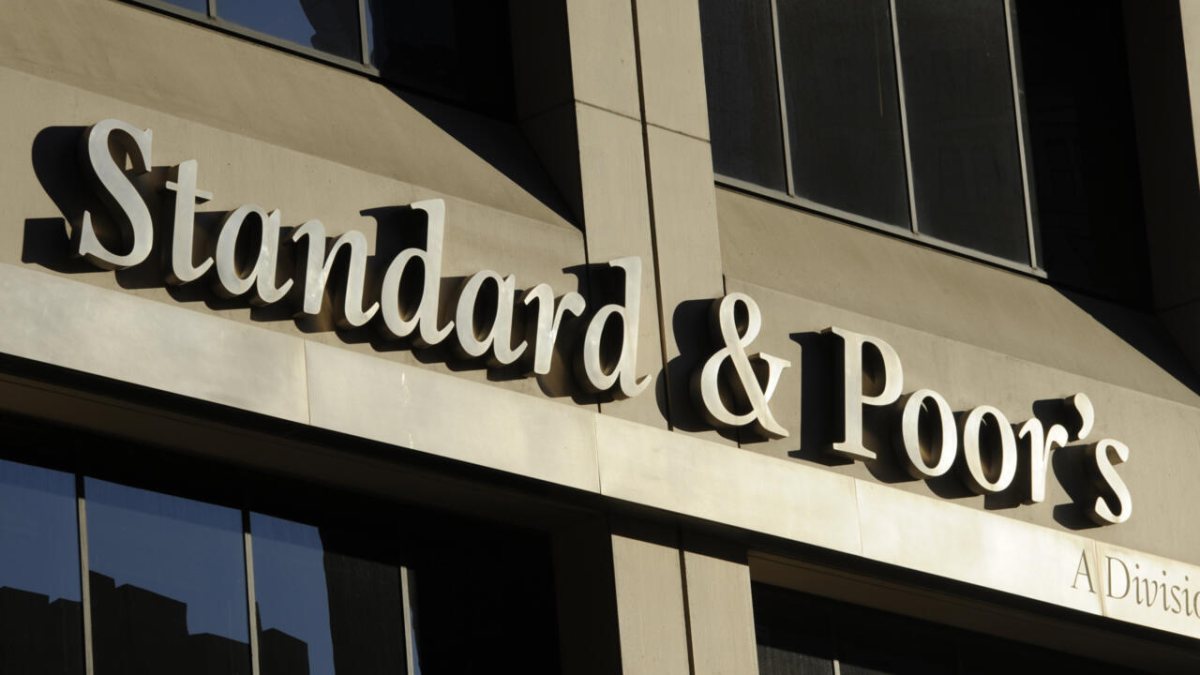
S&P Global Ratings has changed its outlook on France from "stable" to "negative". The move raises the prospect that Europe's second-largest economy could have its credit rating cut in the medium term, according to France 24.
The US-based agency announced the decision on Friday. It kept France's sovereign credit rating at A+/A-1 but said budget pressures were increasing. Weak economic growth and higher interest costs are making it harder for Paris to reduce its deficit.
Debt rising as economy contracts
S&P said its decision reflected rising public debt at a time when France's growth prospects remain only moderate. The announcement came on the same day that INSEE, the national statistics bureau, released figures showing that the French economy had entered a technical recession, France 24 reported.
The agency expects France's public debt to keep rising next year. It also expects the interest France pays to its creditors to climb gradually until 2029.
S&P said France needs to put its public finances in order, a process economists call fiscal consolidation. It suggested that progress on this front would be central to how the rating develops.
Political uncertainty beyond 2027
S&P also pointed to political risks. It warned of "the high risk that political fragmentation will persist after the 2027 presidential election", and said this would weigh on economic growth.
The comment shows that rating agencies are concerned about whether France's divided political landscape can produce the stable majorities needed to pass difficult budget measures.
What a negative outlook means
A change in outlook is not a downgrade. The rating itself is unchanged. However, a negative outlook tells investors that the agency sees a real chance of lowering the grade if conditions do not improve.
Credit ratings shape how lenders view a government's ability to repay what it borrows. A weaker assessment can make borrowing more expensive. That matters especially for a country whose interest bill is already expected to grow.
Why it matters beyond Europe
Governments around the world watch decisions by the major rating agencies closely, and African countries are no exception. These ratings affect how much governments pay to raise money on international capital markets.
The S&P decision is a reminder that even large, advanced economies face scrutiny when debt rises faster than growth. Their borrowing costs can also come under pressure.
For now, France keeps its A+ rating. The coming months will show whether Paris can steady its public finances and ease the concerns S&P has raised.
This story was prepared by the Hamasta Newsdesk with AI assistance, based on reporting by France 24. Read the original report. Photo: France 24.
Every moment, captured beautifully.
Events, corporate portraits, products and editorial shoots by our newsroom photographers.






More in Business
See all
Kenya among 15 countries in talks with new African credit rating agency

France's Édouard Philippe pledges retirement at 65 and spending cuts as poll ratings slide

Kenya backs new Africa Credit Rating Agency, seeks secondary office in Nairobi
India's economy defies global slowdown as forecasters raise growth outlook to about 7%
Ruto defends economy in State of the Nation as public debt nears Sh13.5 trillion

Global Community Remarks
0