
Netanyahu offers rival Eisenkot first turn as PM in proposed rotation deal
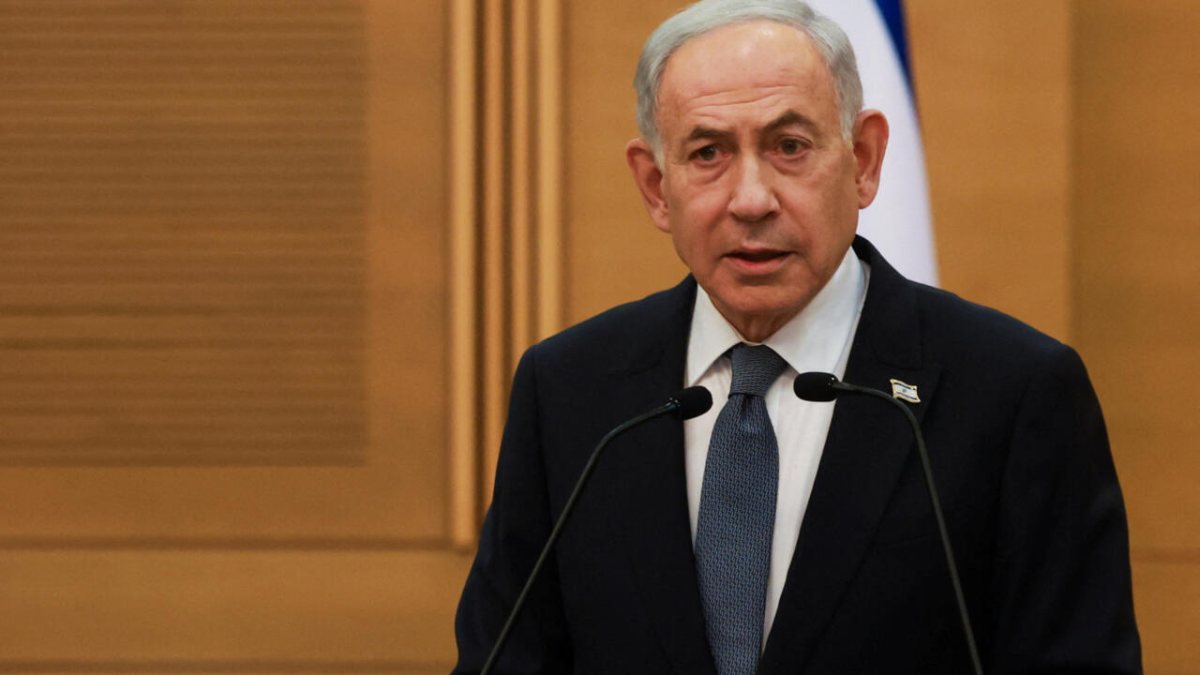
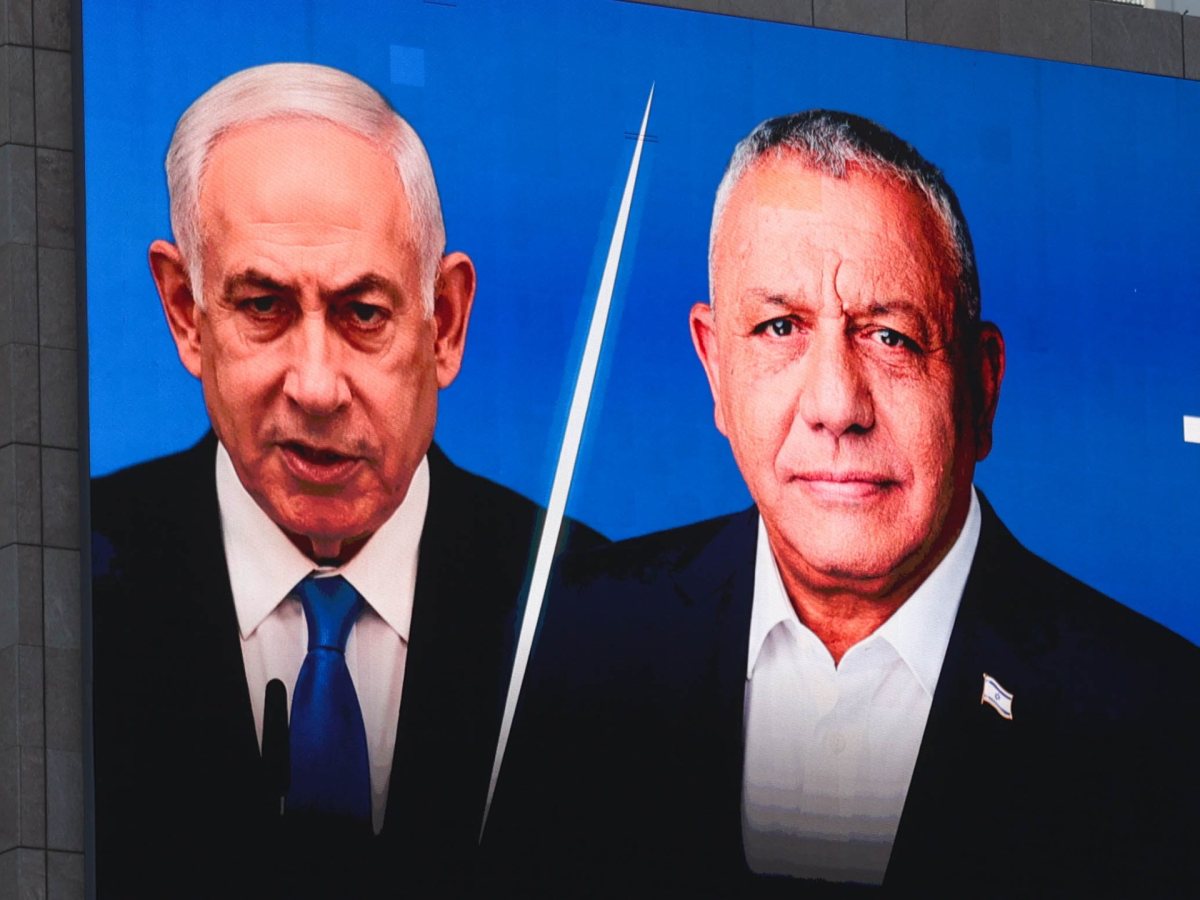
Israel's caretaker Prime Minister Benjamin Netanyahu on Saturday offered to let opposition leader Gadi Eisenkot become prime minister first under a rotating arrangement, according to France 24.
The offer would form part of a proposed national unity government. Netanyahu would serve as alternate prime minister at the start of the term before the two men swap roles.
Netanyahu said he was prepared to drop the long-standing custom that the leader of the largest party heads the government. He argued that what he described as threats to Israel's very existence justified the move.
Offer made on X
The veteran leader announced the proposal in a post on the social media platform X. In it, he said his responsibility as a leader required him to set everything aside and "agree that Gadi Eisenkot will serve first as prime minister", France 24 reported.
He added that he would take the role of alternate prime minister at the beginning of the term.
The proposal is a notable shift for Netanyahu, Israel's longest-serving prime minister, who has typically insisted on leading any government he is part of. Offering a rival the first turn in office signals a willingness to concede the top job, at least temporarily, in exchange for a broad coalition.
Who is Gadi Eisenkot?
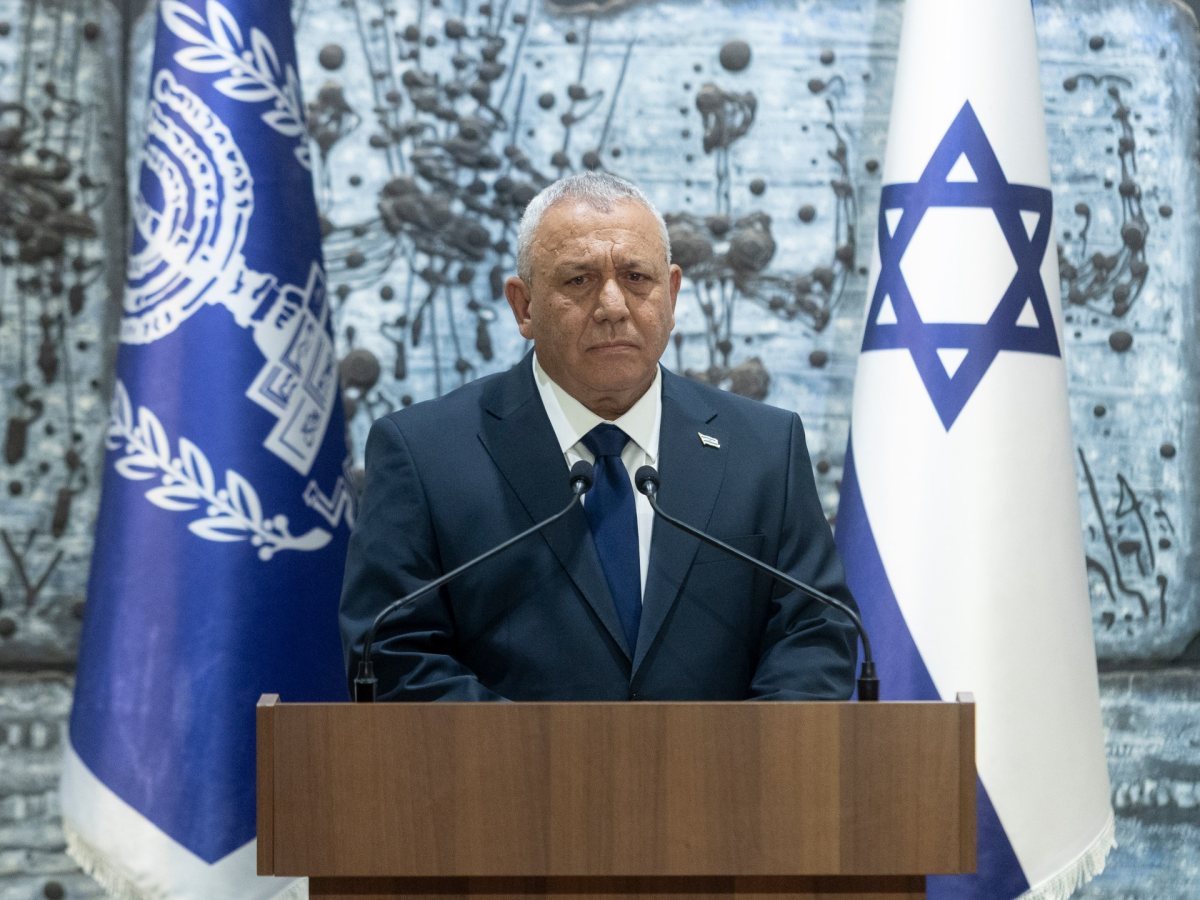
Eisenkot is a former chief of staff of the Israel Defence Forces, the country's most senior military post. France 24 describes him as the opposition leader.
His military background has given him standing among Israeli voters on security issues, which Netanyahu cited as the central reason for his offer.
Rotation governments in Israel
Rotating premierships are not new in Israeli politics. In 2020, Netanyahu agreed a power-sharing deal with Benny Gantz, another former army chief, under which the two were to alternate as prime minister. That arrangement collapsed before Gantz took office.
In 2021, Naftali Bennett and Yair Lapid formed a coalition that also included a rotation agreement, with Bennett serving first and Lapid later taking over.
Such deals have often been used in Israel's fragmented political system, where no single party usually wins enough seats to govern alone and coalition-building can be prolonged.
What remains unclear
The France 24 report did not indicate whether Eisenkot had responded to the proposal or whether talks between the two camps were under way.
It also did not specify how long each leader would serve under the proposed rotation, nor which other parties might join a national unity government.
Netanyahu's status as caretaker prime minister means he continues to run the government pending the formation of a new administration.
Any agreement would require the backing of a majority in the Knesset, Israel's parliament, before a new government could be sworn in.
The offer is likely to be closely watched both within Israel and across the region, given the security concerns Netanyahu raised in justifying it.
This story was prepared by the Hamasta Newsdesk with AI assistance, based on reporting by France 24. Read the original report. Photo: France 24.
Every moment, captured beautifully.
Events, corporate portraits, products and editorial shoots by our newsroom photographers.






More in International
See all
Eisenkot invites Netanyahu's Likud to 'marathon' Israeli coalition talks
Eisenkot accuses Netanyahu's Likud of stalling Israel coalition talks
Eisenkot ally Matan Kahana elected Israel's Knesset speaker, defeating Netanyahu pick
Israel's Eisenkot wins Lieberman as first coalition partner in bid to form government
Likud and Eisenkot's Yashar end Israel coalition talks without a deal
Global Community Remarks
0