
Church leaders oppose livestream consent rules
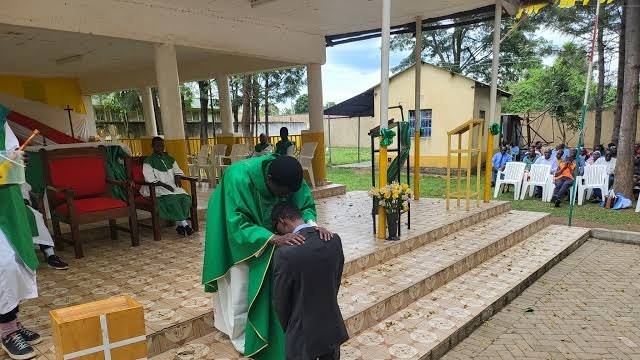
Religious leaders in Kenya have opposed proposals requiring churches to obtain individual consent from worshipperrs before recording and livestreaming church services,arguing that the requirements could interfere with religious activities and limit the reach of digital evangelism.
The opposition follows remarks by outgoing Data protection commisioner Immaculate Kassait,who warned that churches must obtain appropriate consent before broadcasting identifiable images and voices of congregants on television and gigital platforms.
CLERGY QUESTION DATA PROTECTION REQUIREMENTS
Church and Clergy Association of Kenya (CCAK)National chairperson bishop Hudson Ndeda criticised the proposed requirements ,accusing the regulator of applying different standards to religious institutions while politicam relied, social gatherings and other public events also involve photography and video recording .
PRIVACY RIGHTS VERSUS DIGITAL EVANGELISM
The Association of Religion Practitioners Professionals in Kenya (AREPP) Chief Executive Officer Ezekiel Muendo argued that the proposed restrictions could undermine religious freedoms and place additional financial and administrative burdens on smaller churches.
Meanwhile, some churches have introduced notices informing congregants that services may be recorded and broadcast through television stations and social media platforms, while encouraging those uncomfortable with appearing on camera to notify church administrators.
PROPOSED CAMERA-FREE ZONES
The controversy gained further attention during the parliamentary vetting of Data Commissioner nominee Lydia Sitienei Chelagat, who proposed establishing designated camera-free sections within churches.
Chelagat argued that attending a place of worship does not remove an individual's constitutional right to privacy, noting that religious beliefs and acts of worship constitute sensitive personal data under the Data Protection Act.
She proposed working with religious organisations, including the National Council of Churches of Kenya (NCCK), to develop practical guidelines that would balance worshippers' privacy rights with churches' broadcasting activities.
The development has placed religious institutions and data protection authorities at the centre of a growing debate over privacy, freedom of worship and digital communication.
The central concern remains how churches can protect congregants' personal information while maintaining livestreaming as a platform for religious outreach.





Show the impact of your work.
Impact stories, campaign videos and community engagement for NGOs and programmes.

Read also
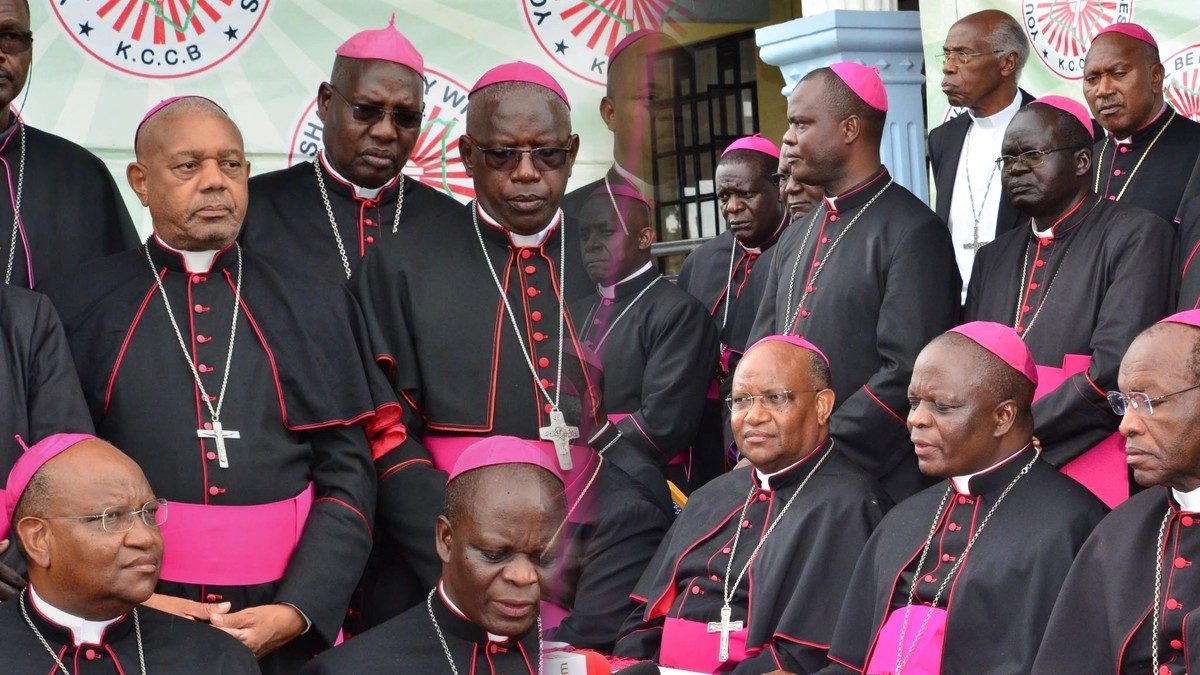
'No political address in any Catholic church': Bishops lock politicians out of the pulpit and tell Parliament to drop the vote-tally livestream ban
'Without clear consent': Italy fines Meta a record €805 million over Facebook app's access to users' phone photos

Citizen, Inooro and Ramogi TV YouTube Livestreams Now Behind Ksh350 Monthly Paywall
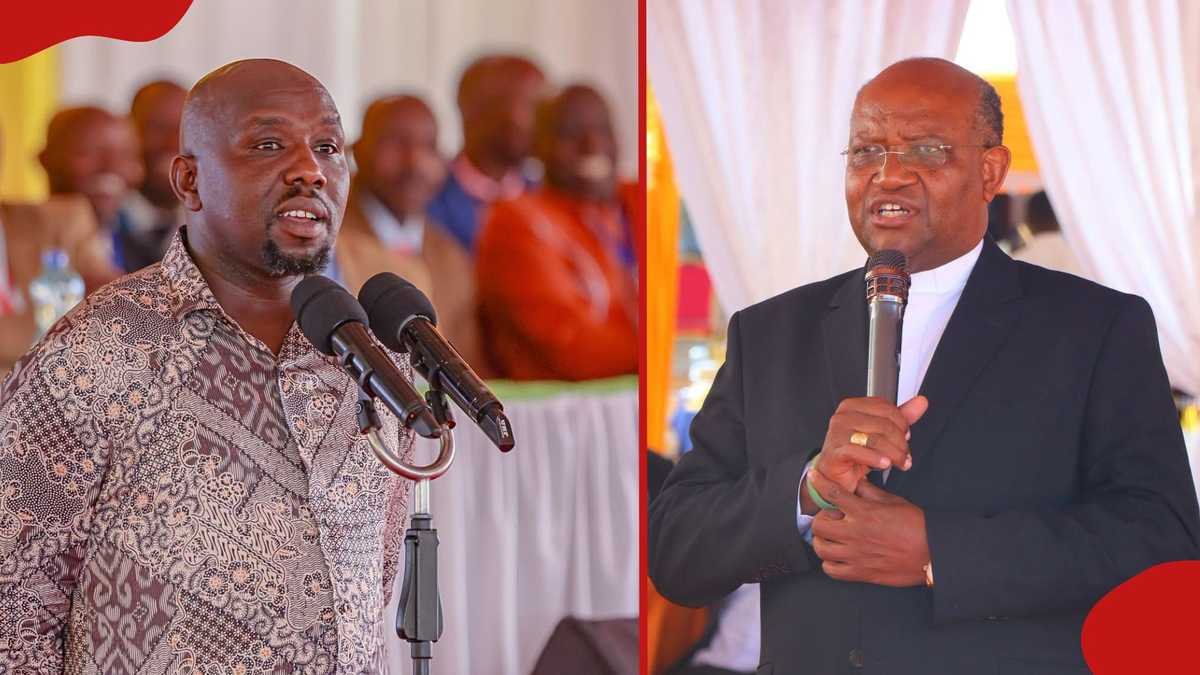
Murkomen hits back at Bishop Muheria over ban on politicians at church fundraisers
.jpeg)
Court rejects civil society bid to inspect State House over church construction

Global Community Remarks
0