
Sudan's missing: families search for loved ones lost to war, displacement and detention
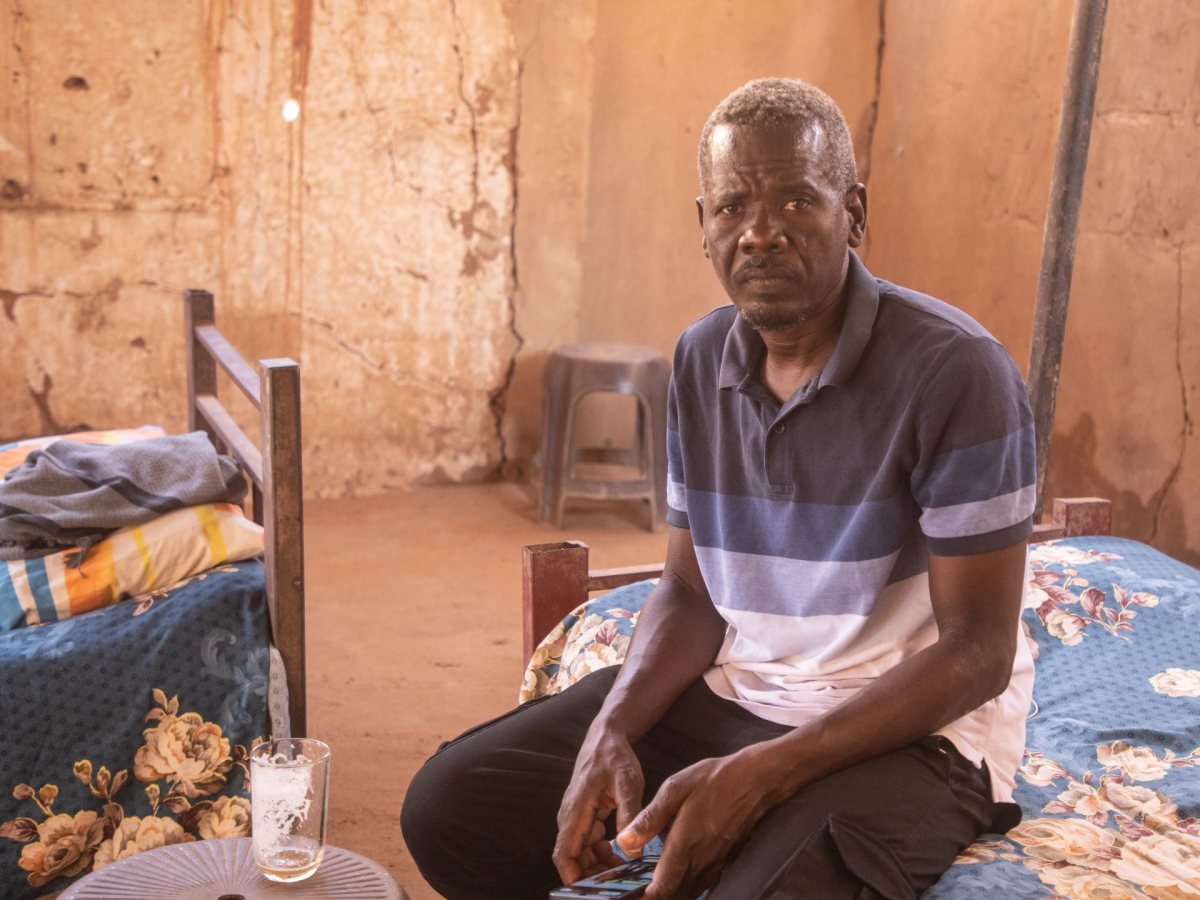
Thousands of Sudanese families are searching for relatives who vanished during the country's civil war. Many have spent months, and some years, trying to learn whether loved ones are alive or dead, according to Al Jazeera.
The International Committee of the Red Cross (ICRC) says it has registered about 11,000 active cases of missing people in Sudan. More than 9,000 of these have been documented since fighting began roughly 43 months ago. In 2025, the organisation established the fate or whereabouts of 846 missing people, allowing hundreds of families to reunite.
A son's search
Hussam Sid Ahmed, 27, has been looking for his mother, Omaima Mohamed, 53, for more than 100 days. She disappeared in Khartoum in mid-August after what he described to Al Jazeera as an ordinary morning. The family had breakfast together before he and his father left the house. When they returned, she was gone.
Sid Ahmed, her only son, said she had no history of going missing and was in good mental health. He has four sisters, and he said the family's life has been upended.
His search has taken him across Khartoum, Bahri and Omdurman, and as far as Al-Rank, a South Sudanese town near the border. Reports in October suggested she had been seen there, but the trail went cold. Other people told him they had spotted her in Eastern Nile province. Where he could not travel himself, he sent others to look on his behalf.
"This war could leave any of us searching for a loved one," Sid Ahmed told Al Jazeera.
He urged Sudanese people to set aside their differences and support families in their search, noting that there are few official channels to help them.
A war that scattered communities
The war between the Sudanese Armed Forces (SAF) and the paramilitary Rapid Support Forces (RSF) broke out in April 2023. It has killed tens of thousands of people, displaced about 13 million and caused law and order to collapse.
As the two former allies fought for control of towns and cities, many families were separated during sudden flights from danger. The destruction of telecommunications, public services and infrastructure has made tracing efforts harder. Some areas have also become too dangerous for aid groups to work in.
This year the ICRC provided wireless internet access to thousands of people in remote areas and displacement camps. It is also working with the Sudanese Red Crescent to trace missing people.
Looking for relatives in areas controlled by armed groups carries its own risks, and some people have themselves disappeared while searching. Civilians with no link to the fighting are routinely detained by both sides, sometimes with fatal outcomes. Some are targeted over alleged political or ethnic affiliations or suspected of spying. Organisations such as the ICRC often have no access to detainees or prisoner records.
Two years in RSF detention
Mohammed Kumi, 34, vanished from his home in Eastern Nile State. His family spent two years trying to find out what had happened to him. Unknown to them, he was being held by the RSF, a group accused of extrajudicial killings, rape and torture of detainees.
Kumi told Al Jazeera he was severely beaten and accused of working with the army. He was interrogated and moved between detention facilities. He said that during his 24 months in custody he saw many people killed or taken away to unknown places, most of them people listed as missing. On his last day there, he said, he witnessed mass executions, including one of a group of 17 men.
Shortly before the army retook the capital, he and about 500 other detainees were moved to Nyala, the capital of South Darfur. There, he said, they were tortured and starved, and about 10 people died each day.
Kumi and others broke out after the SAF attacked Nyala. He then travelled through White Nile State to Khartoum, where he finally reached his family. They had been displaced to al-Damazin in Blue Nile State, and he is now preparing to join them.
This story was prepared by the Hamasta Newsdesk with AI assistance, based on reporting by Al Jazeera. Read the original report. Photo: Al Jazeera.
Every moment, captured beautifully.
Events, corporate portraits, products and editorial shoots by our newsroom photographers.






More in International
See all
Kenya Red Cross gets 31 boat engines from ICRC to boost flood rescues
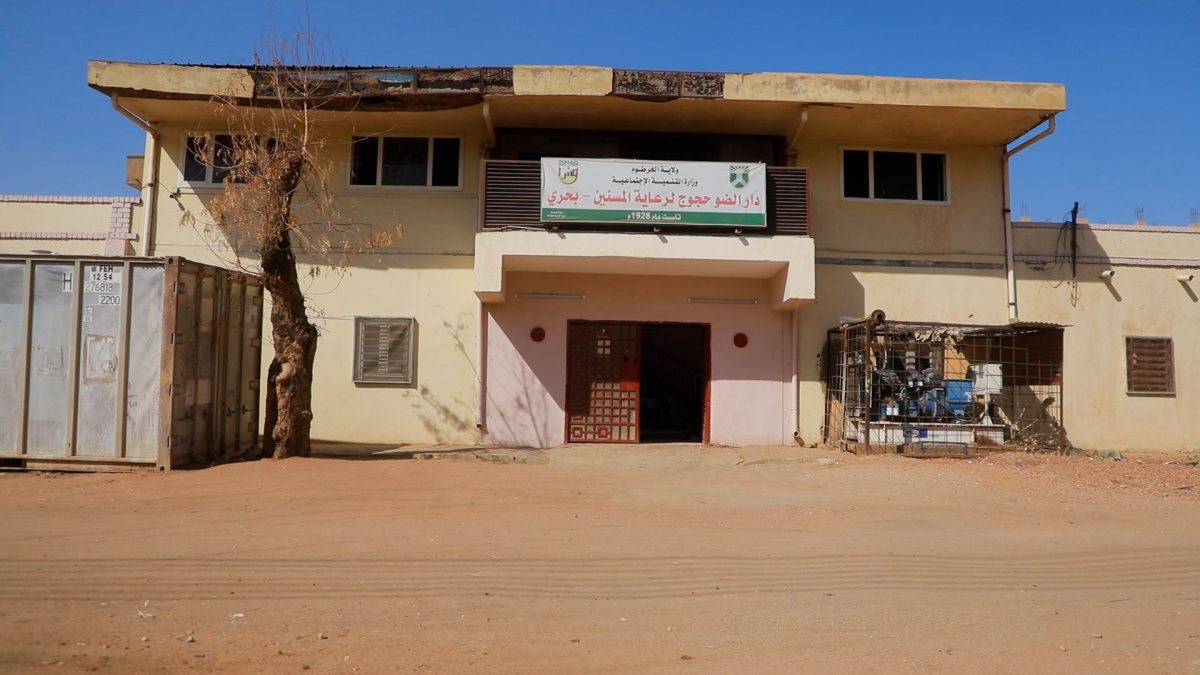
Sudan war leaves elderly displaced, separated from families and short of care
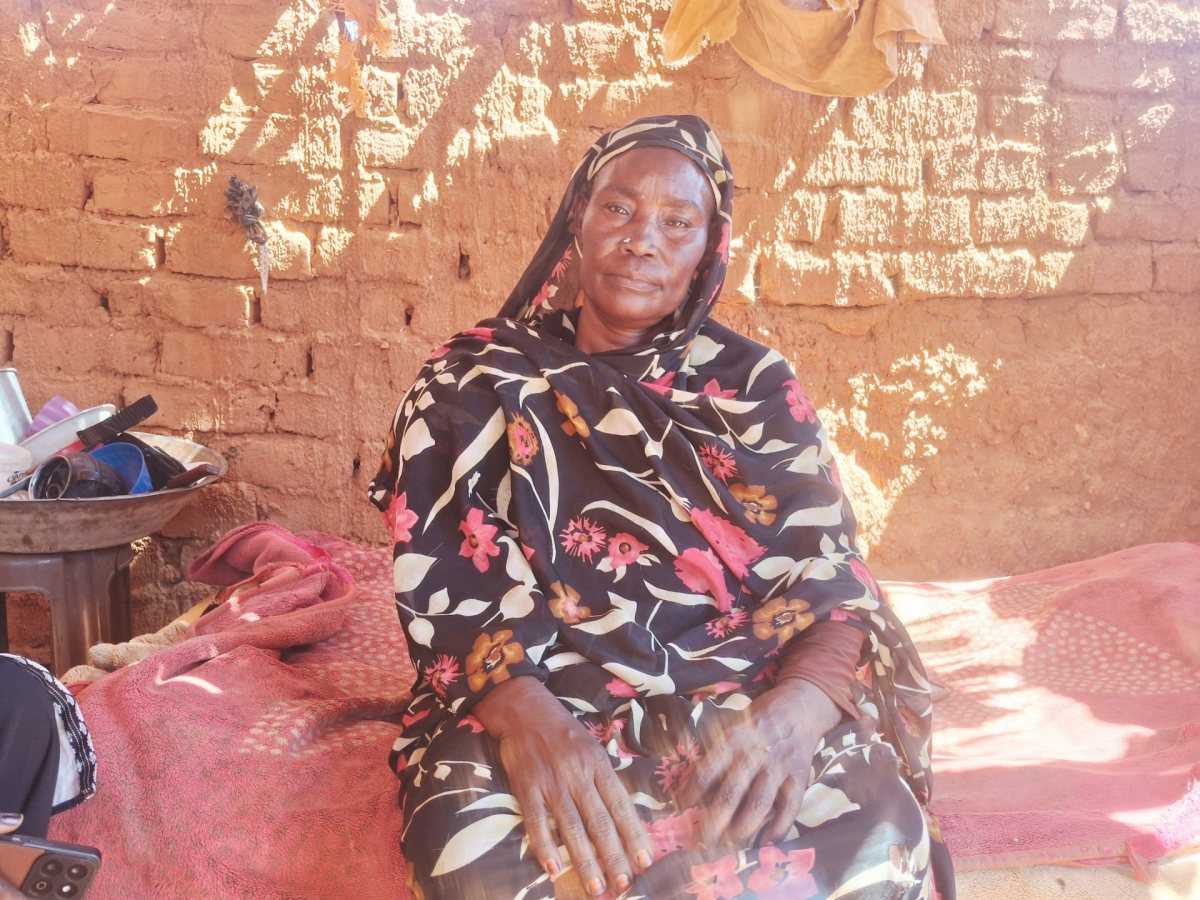
Darfur families displaced to Khartoum brace for cold winter as Sudan aid dries up
No washing, no embalming, burial within 24 hours: Duale's Ebola rules would stop families bringing home loved ones who die of the virus abroad

PS Raymond Omollo Calls for Accountability in Missing Persons Cases
Global Community Remarks
0