
India's Congress party takes on Meta over alleged censorship of political posts
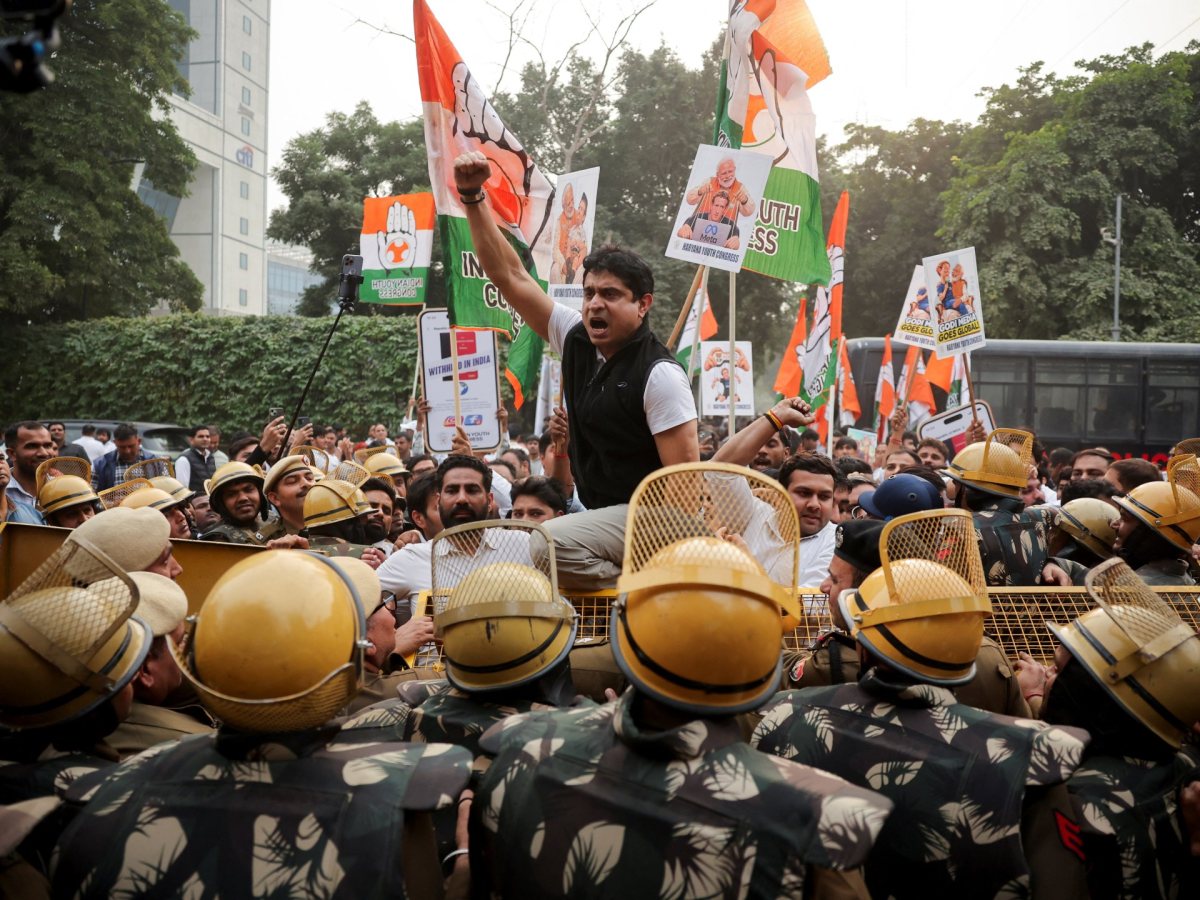
India's main opposition Congress party has gone to court and taken to the streets against Meta, accusing the owner of Facebook and Instagram of suppressing content seen as damaging to Prime Minister Narendra Modi's government, according to Al Jazeera.
Meta, which is based in the United States, says it is neutral towards all political parties and is acting in line with India's information technology laws.
Lawsuit at the Delhi High Court
On November 25, the Indian Youth Congress, the party's youth wing, filed a suit against Meta at the Delhi High Court, Reuters reported. The case, lodged by lawyer Rishav Ranjan, alleges some 5.4 million content restrictions and argues that posts by party members have been made "unavailable in India".
The petition says Meta's automated system is catching far more than "exactly identical" copies of flagged material. Among the posts it cites are a birthday greeting between party workers, a wedding invitation handed to party leader Rahul Gandhi and a tribute to his father. According to the lawsuit, the only thing these posts share is Gandhi's name or photograph.
The party warns that the restrictions could cut it off from voters ahead of state elections due early next year. Manu Jain, social media head of the youth wing, said in the filing that India's IT rules had become a tool for suppressing lawful political expression.
Protest dispersed with water cannon
On Saturday, youth wing activists demonstrated outside Meta's offices in Haryana, accusing the company of serving the interests of Modi's Bharatiya Janata Party (BJP). The youth wing said on X that police broke up the protest with water cannon. Reuters reported that a few supporters were detained.
Akshay Lakra of the Indian Youth Congress told Al Jazeera that hundreds of thousands of accounts and posts were being removed, and argued that Meta founder Mark Zuckerberg could have refused to comply.
The BJP has rejected claims of a crackdown on dissent. Party leader Sudhanshu Mittal said the opposition had never shown how the government was applying pressure, describing the accusation as unsubstantiated.
A sharp rise in restrictions
Meta's own disclosures show it restricted access to 5.44 million items of content in India in the first half of 2026. That is roughly 130 times the 41,357 items restricted in the previous six months, and far above the nearly 70,000 restricted across the whole of last year.
Content creators have also raised complaints. A blogger named Subhangi, who covers demonstrations across India, told Al Jazeera her Instagram account had been blocked twice and that followers now say they cannot see her posts. Political cartoonist Manjul said his posts had been removed and he had been prevented from going live without explanation.
Changing legal landscape
Officials have long used Section 69A of the Information Technology Act, 2000, to order the removal of content deemed harmful to national security or public order, a process that involves review by the IT ministry.
In October 2024, the government launched the Sahyog platform, extending takedown powers to federal and state agencies, district officials and police. Agencies have since issued 294 takedown requests. X, owned by Elon Musk, has refused to join the portal, calling it a route to "arbitrary censorship", and has sued the government.
In February, the rules were tightened further. Platforms must now remove content deemed unlawful within three hours instead of 36, and use automated tools to detect identical copies, with human oversight and regular reviews for accuracy and bias. Those that fail to comply risk losing "safe harbour" protection from liability for user posts.
The digital rights group Internet Freedom Foundation has criticised the system, saying on X that "censorship by automation is still censorship". It has urged platforms to give meaningful notice and publish detailed transparency reports.
India also recorded 65 internet shutdowns in 2025, according to Access Now.
This story was prepared by the Hamasta Newsdesk with AI assistance, based on reporting by Al Jazeera. Read the original report. Photo: Al Jazeera.


Take your event live to thousands.
Multi-camera live streams, panel discussions and digital broadcasts with professional crews.




More in International
See all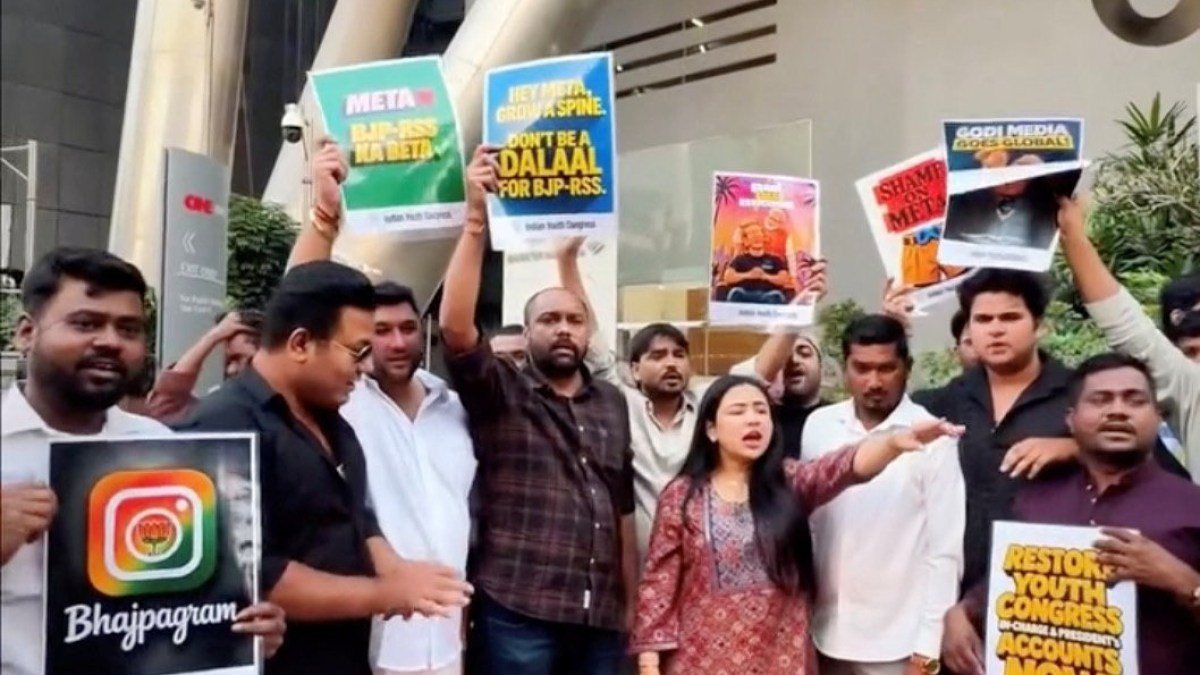
India's Youth Congress protests at Meta offices over withheld Instagram accounts
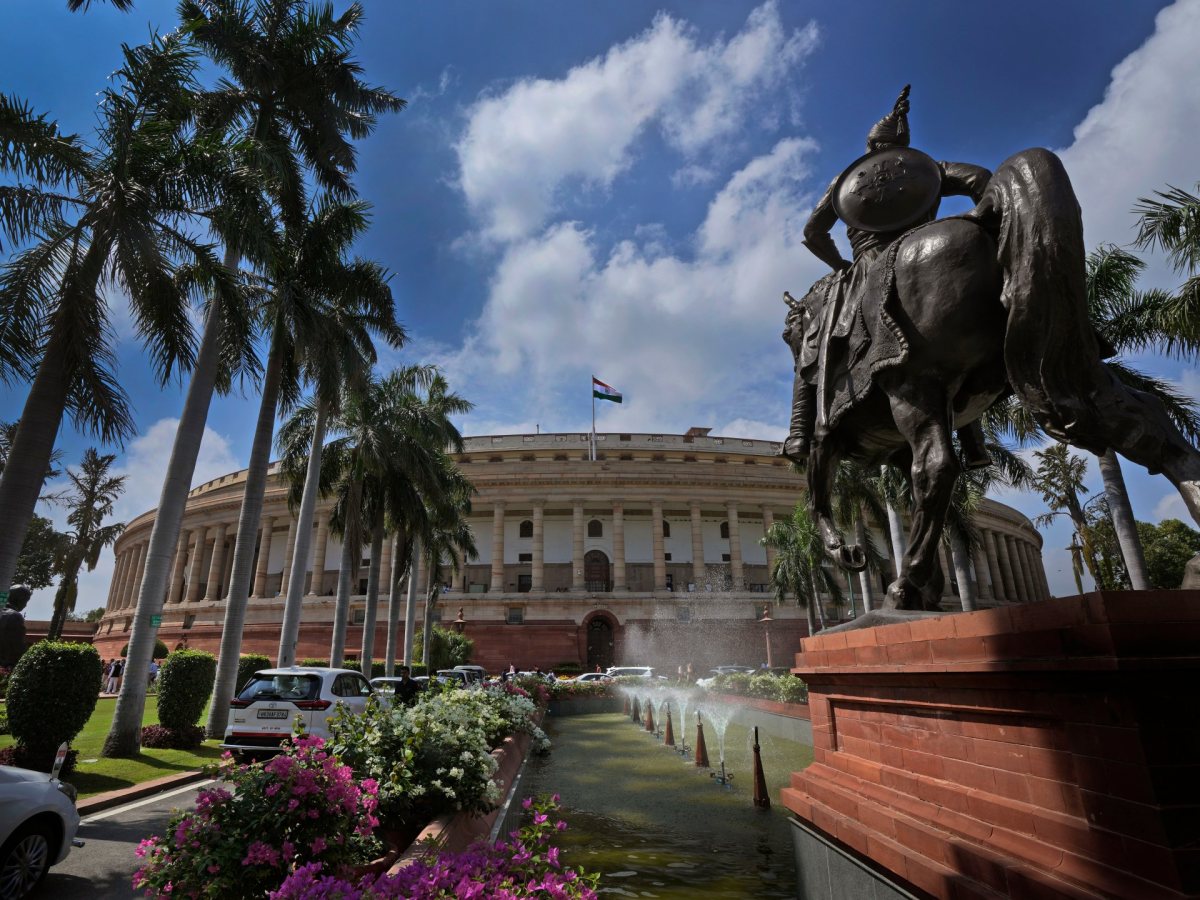
India plans 50% rise in Lok Sabha seats as opposition cries 'gerrymandering'
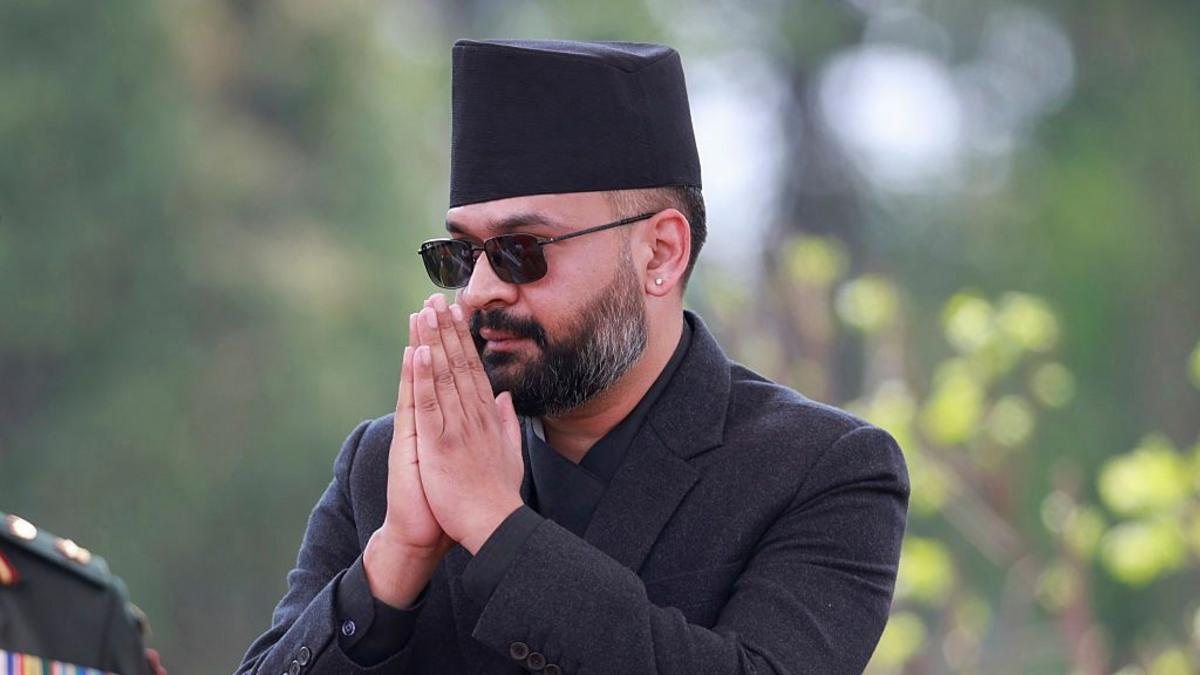
Nepal's Balendra Shah heads to Delhi seeking reset with India
Nepal's rapper-turned-PM Balendra Shah secures $1.63bn flood aid on India visit
Myanmar airstrikes on wedding venue and market leave about 50 dead
Global Community Remarks
0