
Netanyahu offers Eisenkot first turn as PM in bid to break Israel's coalition deadlock
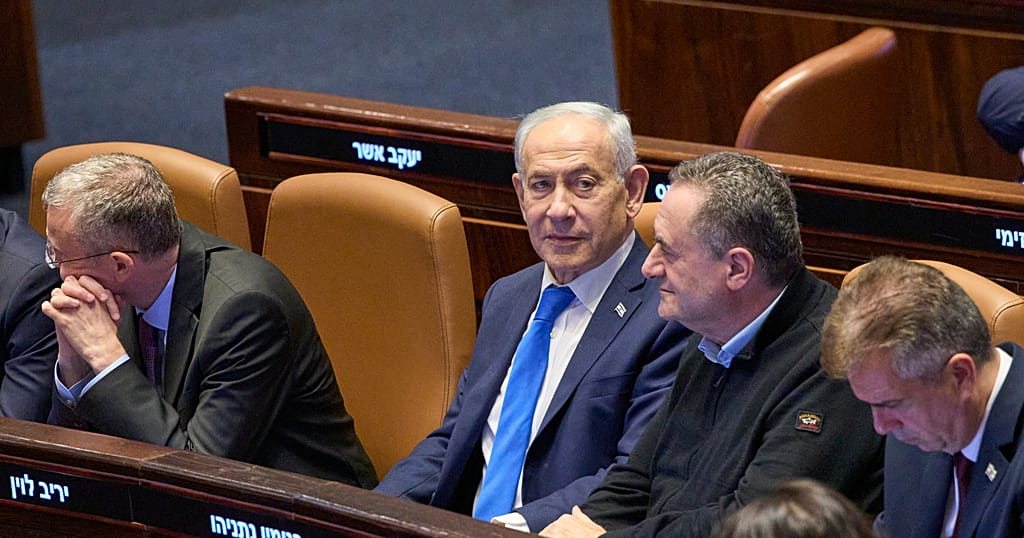
Israeli Prime Minister Benjamin Netanyahu met opposition leader Gadi Eisenkot on Sunday morning for talks on forming a unity government, a day after Netanyahu said he was prepared to let his rival take the premiership first under a rotation arrangement, according to Africanews.
The meeting came exactly three weeks after Israel's president gave Eisenkot the mandate to try to put together a government, following national elections that failed to produce a clear winner.
Offer adds urgency to talks
Discussions between the two camps on a joint government are not new, Africanews reported. However, Netanyahu's announcement on Saturday night that Eisenkot could serve as prime minister in the first stage of a shared arrangement has given the negotiations fresh momentum.
The offer marks a notable shift given the hostility between the two men. For months, Eisenkot has described Netanyahu, Israel's longest-serving prime minister, as unfit to hold office and a danger to the country's future.
Netanyahu, for his part, has campaigned hard against any partnership with Arab-led parties. Those parties made historic gains in the October 27 elections, making them likely but politically sensitive partners for the opposition bloc.
No clear path for either side
Netanyahu's Likud finished as the most popular party in the vote. But the right-wing and ultra-Orthodox parties that have traditionally supported him lost their majority in the 120-seat Knesset and secured fewer seats than the parties opposed to him.
The outcome left neither Netanyahu nor Eisenkot with a straightforward route to a governing majority. Within Eisenkot's own camp, parties have been divided over whether a coalition should include Arab-led or ultra-Orthodox parties.
According to Africanews, the negotiations have also touched on some of the most divisive questions of the election campaign. These include:
- whether ultra-Orthodox Jews should be required to perform military service; and
- whether the state should lead an investigation into the security failures linked to the Hamas-led attacks of October 7, 2023.
A country still in shock
The political wrangling is taking place against the backdrop of prolonged conflict. Israel continues to grapple with the trauma of the October 7 attacks and more than three years of war that followed, Africanews reported.
Those conflicts have included fighting in Gaza, hostilities with the Iran-backed Hezbollah militant group in Lebanon, and a war against Iran that Israel and the United States jointly launched on February 28.
It remains unclear whether the rotation offer will be enough to bridge the deep divisions between the two leaders and their allies. Any unity deal would require agreement not only on who leads first, but also on the contentious policy questions that have shaped the campaign.
For Eisenkot, accepting a partnership with a leader he has repeatedly said should not hold office would represent a significant political turnaround. For Netanyahu, the offer reflects the reality of an election in which his traditional allies fell short of the numbers needed to govern alone.
This story was prepared by the Hamasta Newsdesk with AI assistance, based on reporting by Africanews. Read the original report. Photo: Africanews.



Grow an audience that listens.
Social media management, digital campaigns and online storytelling that converts.



More in International
See all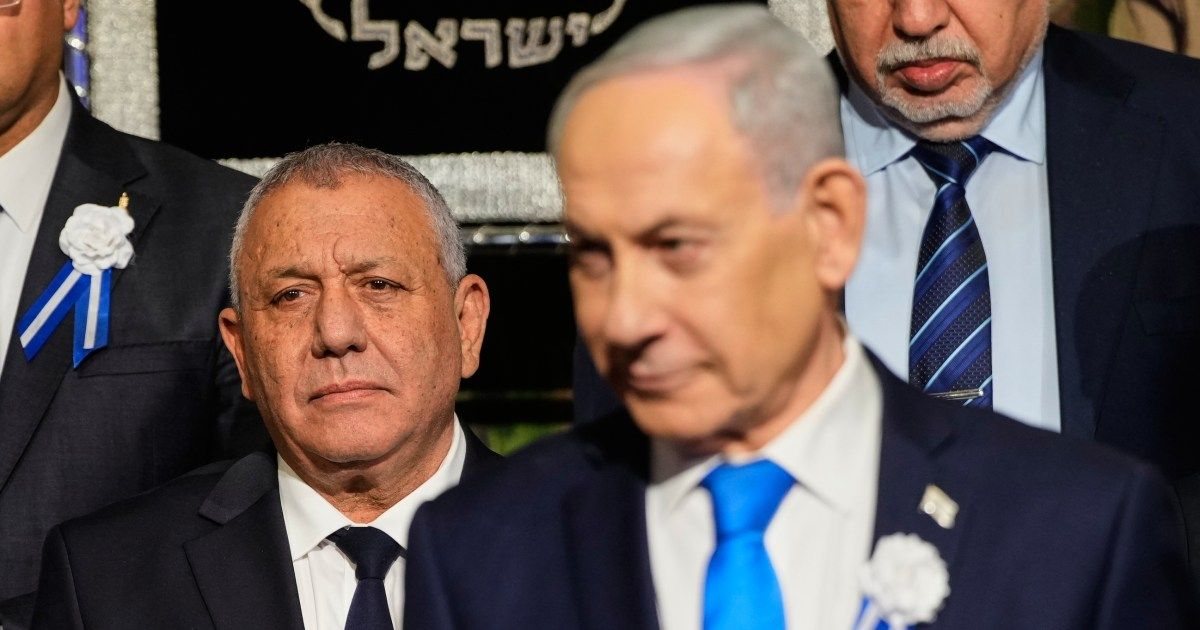
Israel unity government talks stall as Eisenkot accuses Likud of running down the clock
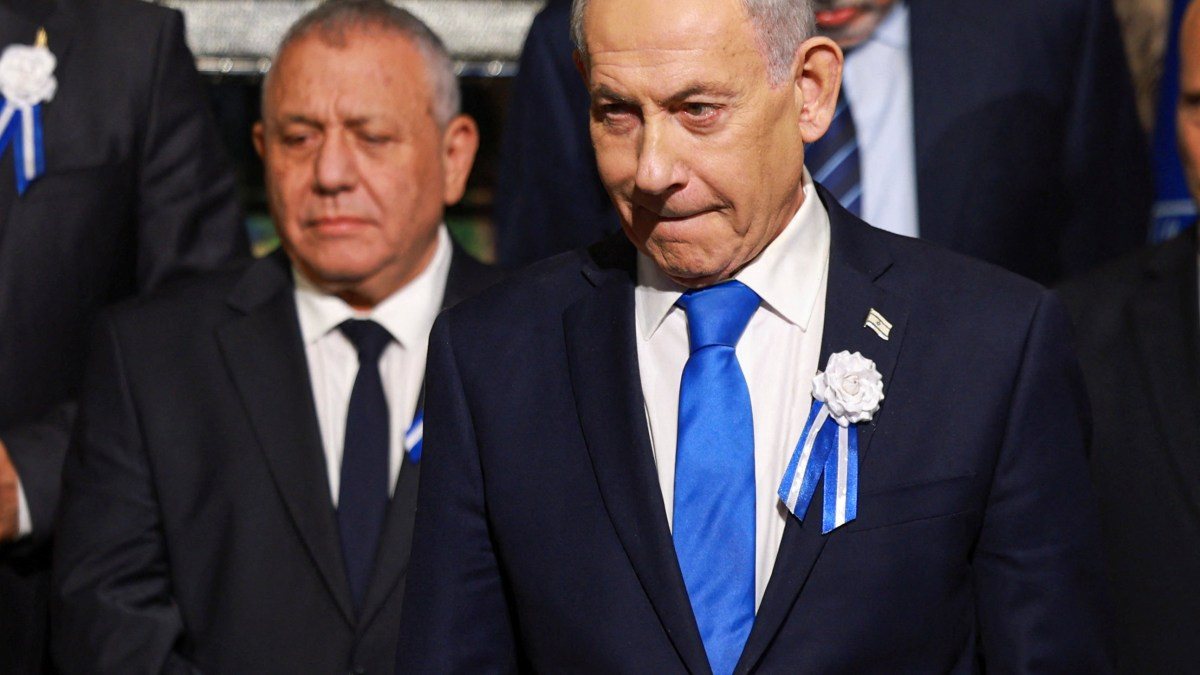
Eisenkot invites Netanyahu to urgent talks after rotating premiership offer
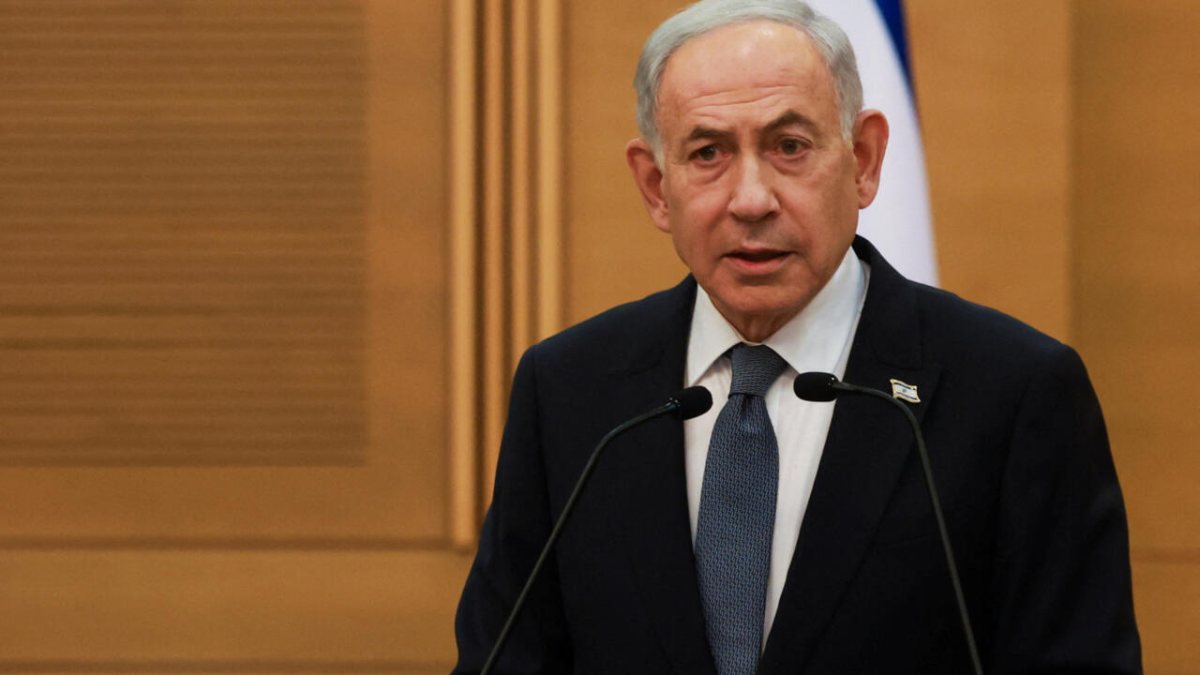
Netanyahu offers rival Eisenkot first turn as PM in proposed rotation deal
Israel's Eisenkot wins Lieberman as first coalition partner in bid to form government
Eisenkot invites Netanyahu's Likud to 'marathon' Israeli coalition talks
Global Community Remarks
0