
Capital FM at 30: how Kenya's first private FM station stayed relevant for three decades

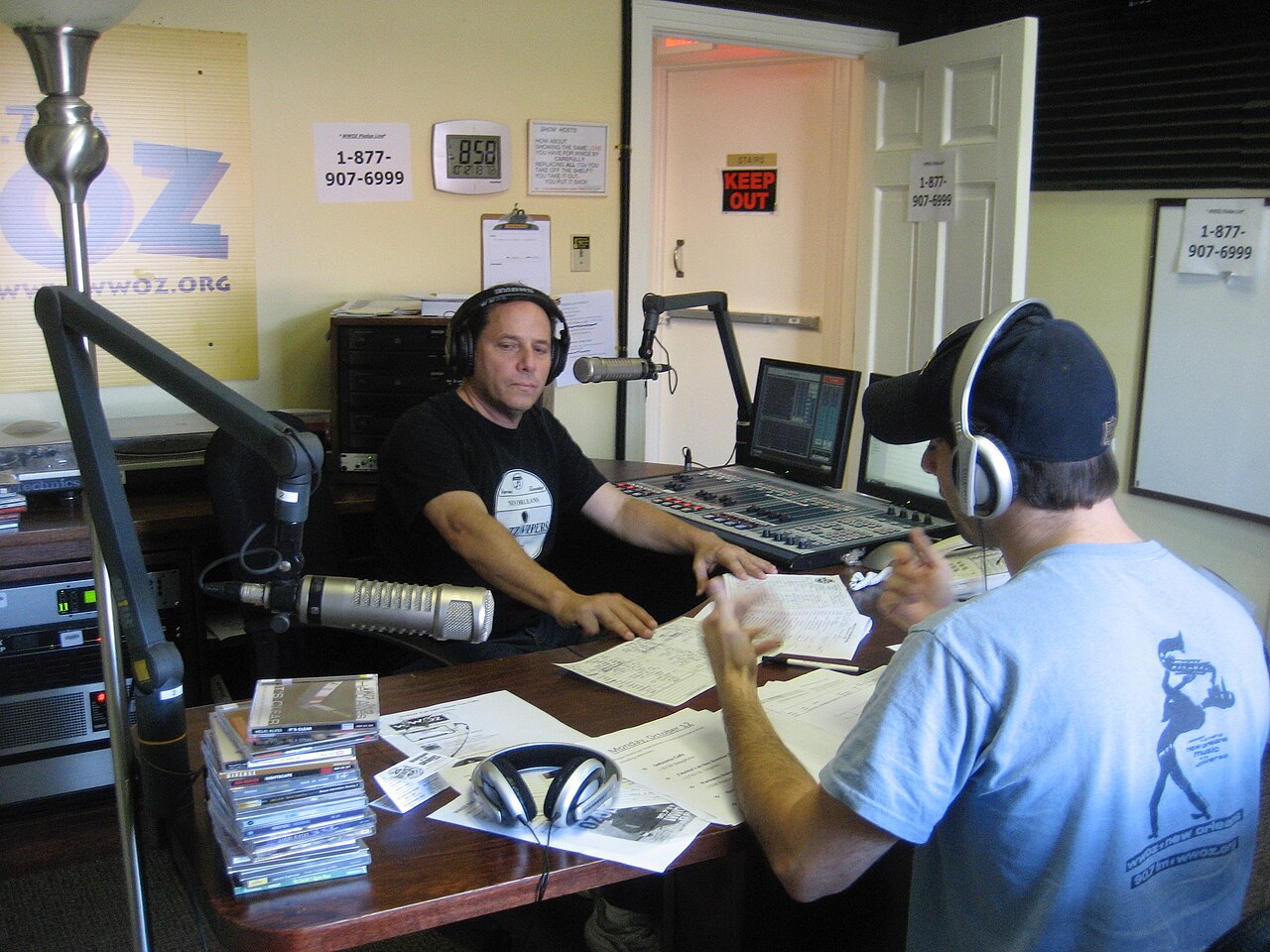
Capital FM is celebrating 30 years on air, a rare milestone in a media industry where many brands have come and gone. The Nairobi station, founded in 1996 by Linda Holt, describes itself as Kenya's first privately owned FM station.
Three eras on one stage
The celebrations peaked with the Third Flow Experience @30, a 12-hour festival on October 3 at The Stables by Magnate on Limuru Road. The line-up was built around three eras of Kenyan music:
- 1996–2006: pioneers including Juacali and Sanaipei
- 2006–2016: hitmakers including Fena and Juliani
- 2016–2026: today's new wave, including Serro and Njerae
The station chose an all-Kenyan bill rather than flying in international stars, a decision widely read as a statement about the strength of local music.
Old voices, new platforms
On air, an anniversary campaign brought former presenters back to the studio, including Amina Abdi and DJ Joe Mfalme. Off air, the station has moved from cassettes and analogue transmitters to digital streaming, podcasts and social-first content.
Chairperson Mary-Ann Musangi said the station is now looking ahead to opportunities in digital media, innovation and audience engagement.
Lessons in staying power
In a commentary marking the anniversary, Capital FM's King Bee Kiragu argued that "true cultural capital isn't bought; it's built over decades of showing up in the lives of your listeners."
Some lessons from Capital FM's 30 years:
- Grow with your audience. The listeners who tuned in during the 1990s now have children who find the brand on Instagram and YouTube.
- Back local talent. Giving airtime and stages to Kenyan artists has kept the station at the centre of the music scene.
- Change the format, keep the identity. The platforms have changed completely, but the brand's voice has stayed recognisable.
As radio competes with streaming and social media for attention, Capital FM's 30th birthday is a reminder that a strong brand can outlast the technology it started on.



Know what people say about you.
Media monitoring, audience insights and strategic communication for your brand.


More in Entertainment
See all
Bien becomes the first African artist signed to Quality Control, the US label behind Migos and Lil Baby

Bensoul and Ywaya Tajiri team up on sultry new single 'Mariwana'

Paska and Njerae release video for 'No More Drama', blending Haitian Konpa with Kenyan R&B

Hello Mr. Right Kenya returns for Season 5 with Trisha Khalid as Dr. Ofweneke's new co-host

Nameless, Mejja and Breeder LW headline Safari Sevens 2026 entertainment at Nyayo

Ne-Yo returns to Nairobi on Mashujaa Day: date, tickets and what to know
Global Community Remarks
0