
EPRA raises petrol by Sh12.93 and kerosene by Sh28.49 as matatu owners announce fare increases

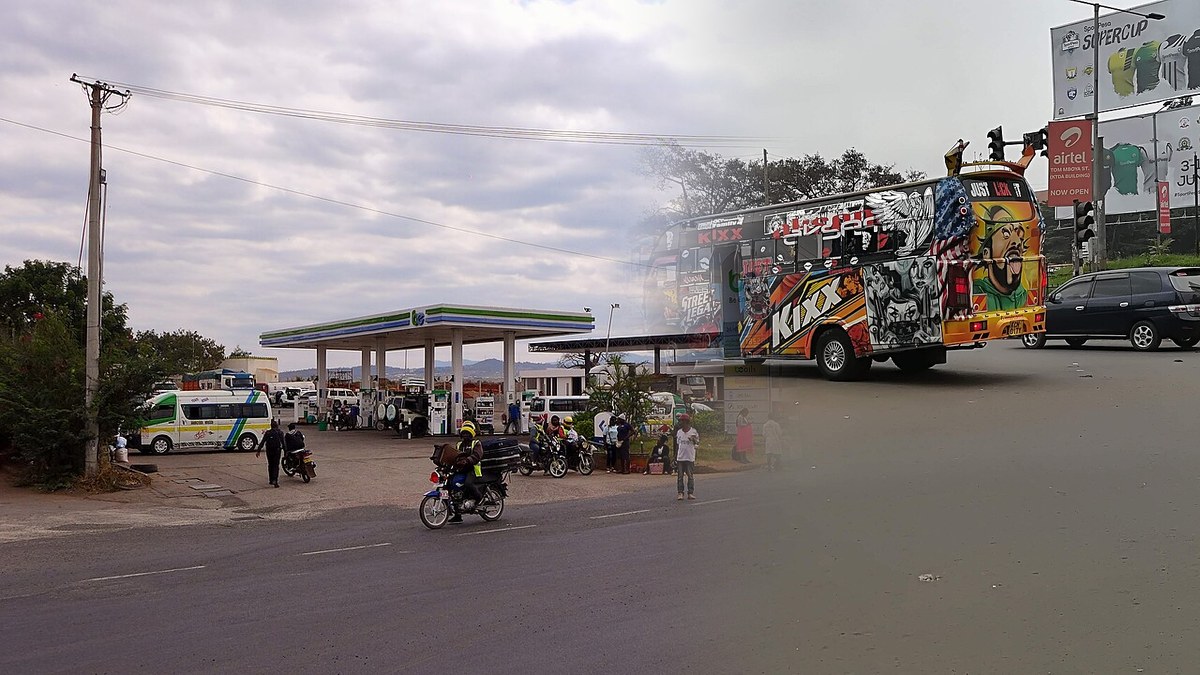
Motorists, transport operators and households face a fresh round of cost pressures after the Energy and Petroleum Regulatory Authority (EPRA) sharply raised pump prices for all three main fuels in its monthly review, prompting matatu owners to announce fare increases and a motorists' lobby to threaten street protests.
In the review covering 15 October to 14 November, the price of a litre of super petrol in Nairobi rose by Sh12.93 to Sh226.96, up from Sh214.03 in the previous cycle. Diesel went up by Sh9.90 to Sh227.76 from Sh217.86, while kerosene recorded the steepest jump, rising by Sh28.49 to Sh219.87 from Sh191.38.
The new prices took effect at midnight on Wednesday and include Value Added Tax at the reduced rate of eight per cent, which the National Assembly voted on the same day to retain for a further 90 days.
Prices across the country
As usual, pump prices vary by town, reflecting the cost of moving fuel inland from the port. In Mombasa, petrol now retails at Sh223.81 a litre, diesel at Sh224.61 and kerosene at Sh216.71. Motorists in Nakuru will pay Sh225.73 for petrol, Sh226.93 for diesel and Sh219.06 for kerosene.
In Kisumu and Eldoret, petrol costs Sh226.51 a litre, diesel Sh227.71 and kerosene Sh219.83. Prices are higher in more remote towns further from the supply depots.
Middle East conflict blamed
EPRA attributed the increases to a sharp rise in the cost of importing refined products, driven by the conflict in the Middle East, which has disrupted global supply chains and pushed up international prices.
According to the regulator's figures, the average landed cost of imported super petrol rose by 11.81 per cent between August and September, from US$874.26 to US$977.55 per cubic metre. The landed cost of diesel climbed by 11.32 per cent and that of kerosene by 9.41 per cent over the same period.
EPRA Director General Edward Kinyua described the past month as exceptionally difficult for fuel buyers. "September has been the worst month ever since this war broke out," he said, noting that international prices for super petrol had risen from about US$600 per tonne before the crisis to around US$1,300.
Kenya has relied on a mix of tax relief and levy-funded stabilisation to cushion consumers this year, after prices spiked in the first half of 2026. The government cut VAT on fuel from 16 to eight per cent in April, while money from the Petroleum Development Levy has been used in some cycles to hold prices down.
Matatu fares to rise
The Matatu Owners Association said its members would raise fares immediately to absorb the higher operating costs. Its chairman, Albert Karakacha, said the sector was already struggling under heavy costs before the latest review and that operators had little choice but to pass the burden on to passengers.
Karakacha appealed to President William Ruto to honour a commitment made at a meeting with transport stakeholders in Mombasa in May, when the President pledged to bring down the price of diesel. That meeting helped avert a transport strike at the time. "The President has failed to honour the agreement we had in Mombasa," the association said, according to Citizen Digital.
The association did not announce uniform new fares, with increases expected to vary by route and operator.
Motorists threaten protests
The Motorists Association of Kenya (MAK) condemned the increases, saying they would deepen the cost-of-living crisis for motorists, transport operators and households. In its statement, the lobby argued that the rise in pump prices did not line up with the reported rise in landed costs.
By its calculations, pump prices rose by 6.04 per cent for petrol, 4.54 per cent for diesel and 14.89 per cent for kerosene. It questioned why kerosene, which recorded the smallest percentage rise in landed cost, had the largest increase at the pump, and rejected the regulator's argument that higher kerosene prices help to discourage fuel adulteration, saying the cost would ultimately be borne by households.
"An explanation is not scientific merely because it contains figures," the association said, according to Citizen Digital.
MAK demanded that EPRA publish a detailed breakdown of how the new prices were calculated and called for an independent audit of the government-to-government fuel import arrangement, including disclosure of freight and other charges. It warned that it would mobilise motorists, operators, traders and commuters for peaceful demonstrations if its concerns were not addressed, but did not set a date.
What happens next
The new maximum prices will remain in force until 14 November, when EPRA is due to announce its next monthly review. Diesel is the main fuel for public transport, haulage and farm machinery, so increases in its price typically filter through to the cost of goods and services.
The VAT relief passed by MPs on Wednesday means the eight per cent rate will continue to apply, sparing consumers an even larger increase that would have followed a return to the standard 16 per cent rate.
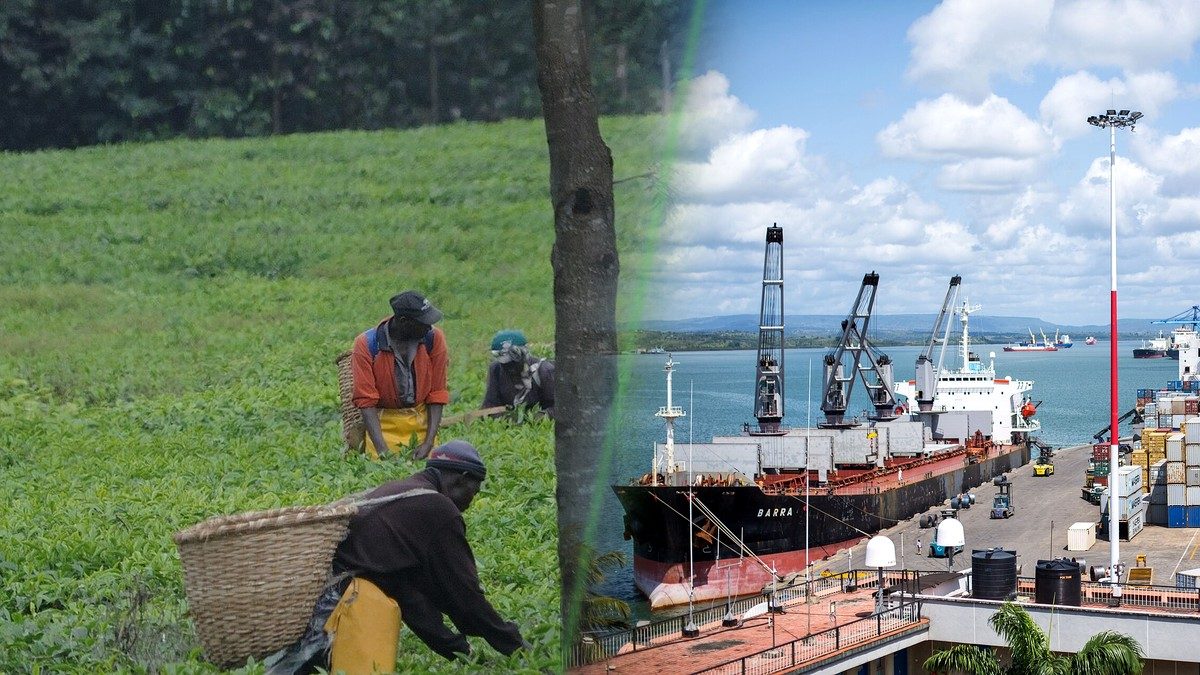
Photos: Bahnfrend / Wikimedia Commons, CC BY-SA 4.0; Lebu Ayiga / Wikimedia Commons, CC BY-SA 4.0


Take your event live to thousands.
Multi-camera live streams, panel discussions and digital broadcasts with professional crews.




More in Business
See all
Nearly seven in 10 homes still cook with firewood and charcoal: State targets cooking gas for 10 million households by 2028 as Mombasa LPG terminal breaks ground
Up to Sh10 million or five years in jail: CAK warns supermarkets squeezing suppliers with rebates, late payments and one-sided deals
'We want fairness': MPs demand proof Kenyans are getting work on Sh154 billion JKIA upgrade as airport squeezes 10 million travellers into space for 7.5 million
207 containers stranded in Mombasa, a Sh9 billion market shut: Sudan finally lifts its 20-month ban on Kenyan tea

Ask Better Questions

Affordable Housing Project In Pioneer, Eldoret, Signals Progress In Ruto’s Development Agenda
Global Community Remarks
0