
Longer dry spells for your taps: Nairobi Water cuts supply by 35pc as Ndakaini Dam falls, hitting homes in four counties

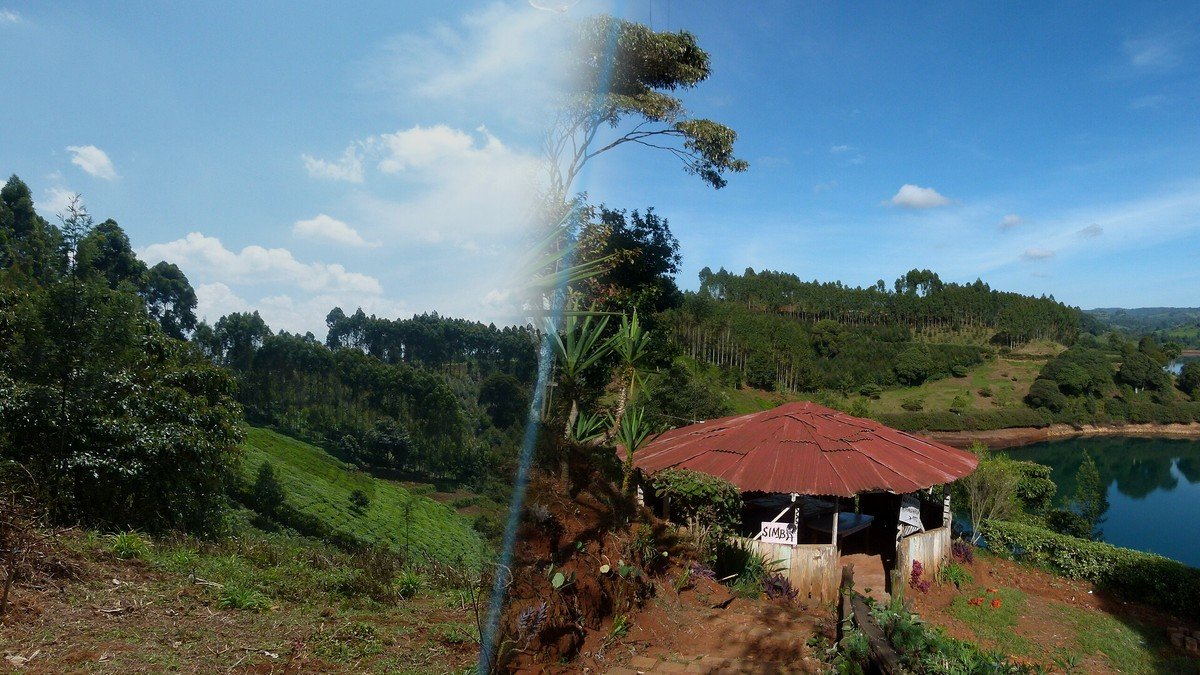
Households in Nairobi and three neighbouring counties will spend longer waiting for water to flow from their taps after the city's main supplier cut production by more than a third.
The Nairobi City Water and Sewerage Company (Nairobi Water) said on Monday, November 9, that output at the Ngethu and Kigoro water treatment plants had been reduced by 35 per cent with immediate effect, as storage at the Thika/Ndakaini Dam keeps falling.
The utility blamed below-average rainfall in the dam's catchment for the decline and described the reduction as "a necessary temporary intervention" to protect what remains in the reservoir and keep supply going over the coming months.
Who is affected
The cut affects Nairobi Water customers and six other utilities that draw from the same system, according to HapaKenya and Kenyans.co.ke:
- Kiambu Water and Sanitation Company
- Githunguri Water and Sanitation Company
- Karuri Water and Sanitation Company
- Mavoko Water and Sewerage Company in Machakos
- Olkejuado Water and Sewerage Company in Kajiado
- Oloolaiser Water and Sewerage Company in Kajiado
The company warned of longer rationing periods but did not publish a new estate-by-estate timetable. It said it would keep monitoring dam levels and weather patterns and review production as conditions change, and it apologised to customers for the disruption.
Why the dam matters
Ndakaini Dam, on the slopes of the Aberdares in Murang'a County, is the backbone of Nairobi's water supply. Most of the city's bulk water comes from the Aberdare Ranges and the Upper Tana basin, so a dry spell in the catchment is quickly felt in city homes and businesses.
The cut comes even as forecasters expect heavy rain elsewhere. The Kenya Meteorological Department's outlook for the October to December short rains points to above-average rainfall in much of the country under a strong El Nino, but the rains have so far not been enough to refill the dam.
What residents can do
Nairobi Water has asked customers to use water sparingly and to manage their supplies carefully. For many families that means filling tanks and jerrycans whenever supply returns, reusing water where safe, and fixing leaks.
For a city already used to rationing, the latest cut is a reminder of how closely Nairobi's daily life depends on rain falling on the Aberdare hills. Residents will be watching the skies over the catchment as closely as their taps.
Photos: Ahero dala/Wikimedia Commons (CC BY-SA 4.0). Thumbnail design: HAMASTA MEDIA.




Show the impact of your work.
Impact stories, campaign videos and community engagement for NGOs and programmes.

More in Environment
See all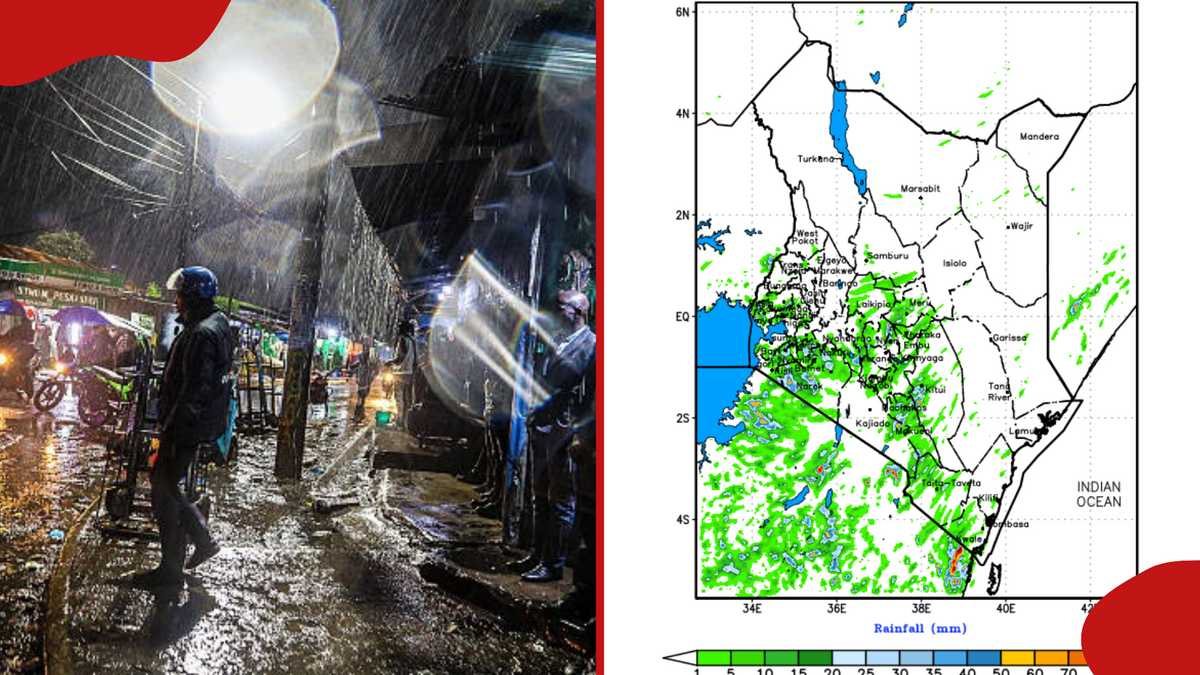
Kenya Met forecasts rain in coastal, western and Nyanza counties on November 17

Climate activists march in Nairobi, push government to boost clean energy funding
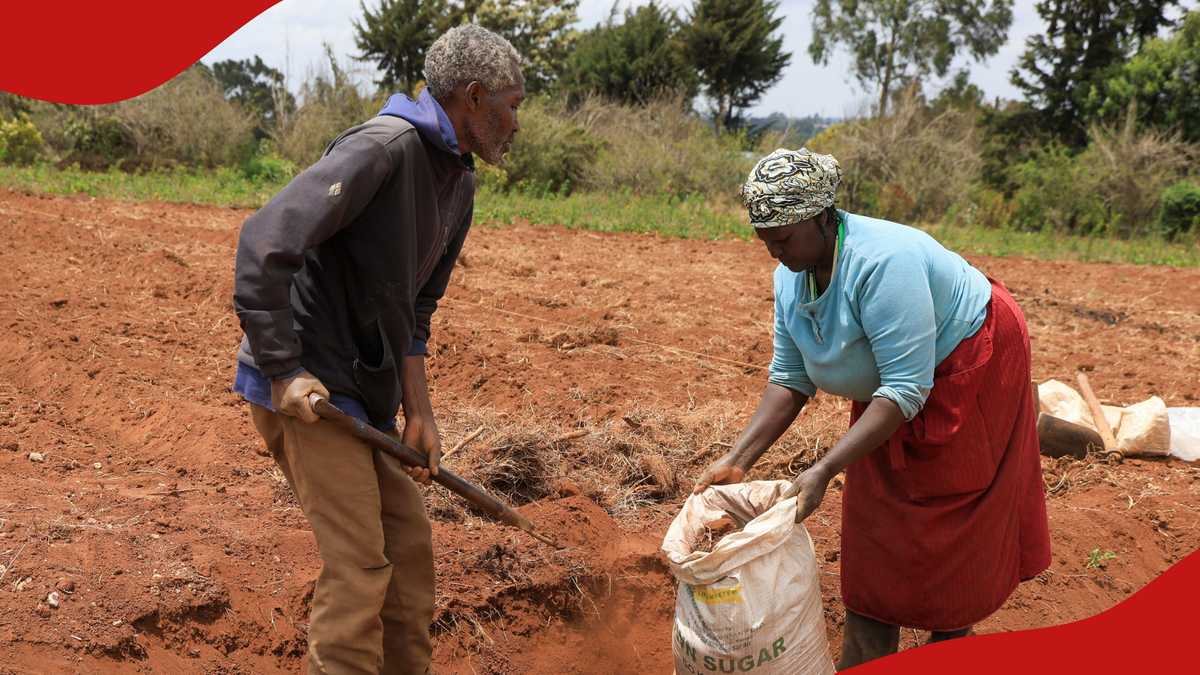
Limuru and Karatina farmers turn to sandbags and grass to shield soil from rains

Amboseli residents dig 50,000 earth dams to harvest El Niño rains for pasture

COP31 draft deal seeks swift exit from fossil fuels and $120bn for adaptation
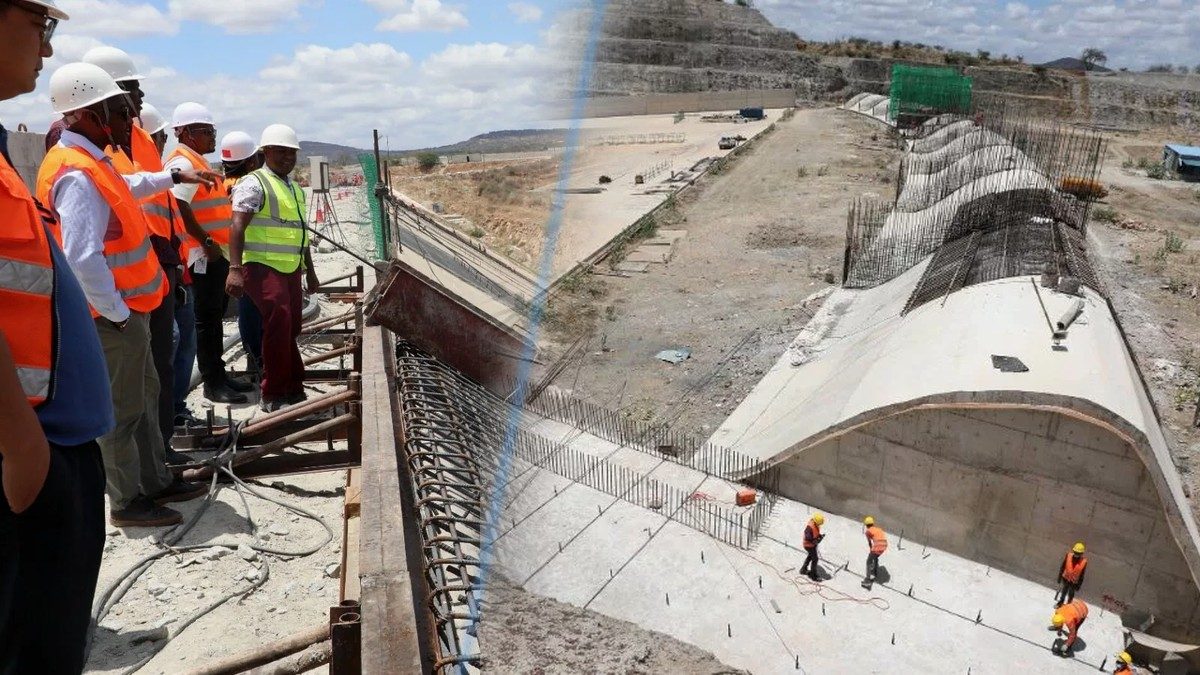
94.2 per cent built, 1.3 million people waiting for water: Thwake Dam nears the finish line as Makueni families say blasting cracked their homes
Global Community Remarks
0