
'Definitely not for vaginal use': Regulators sound alarm over viral cetirizine trend as allergy patients face shortages
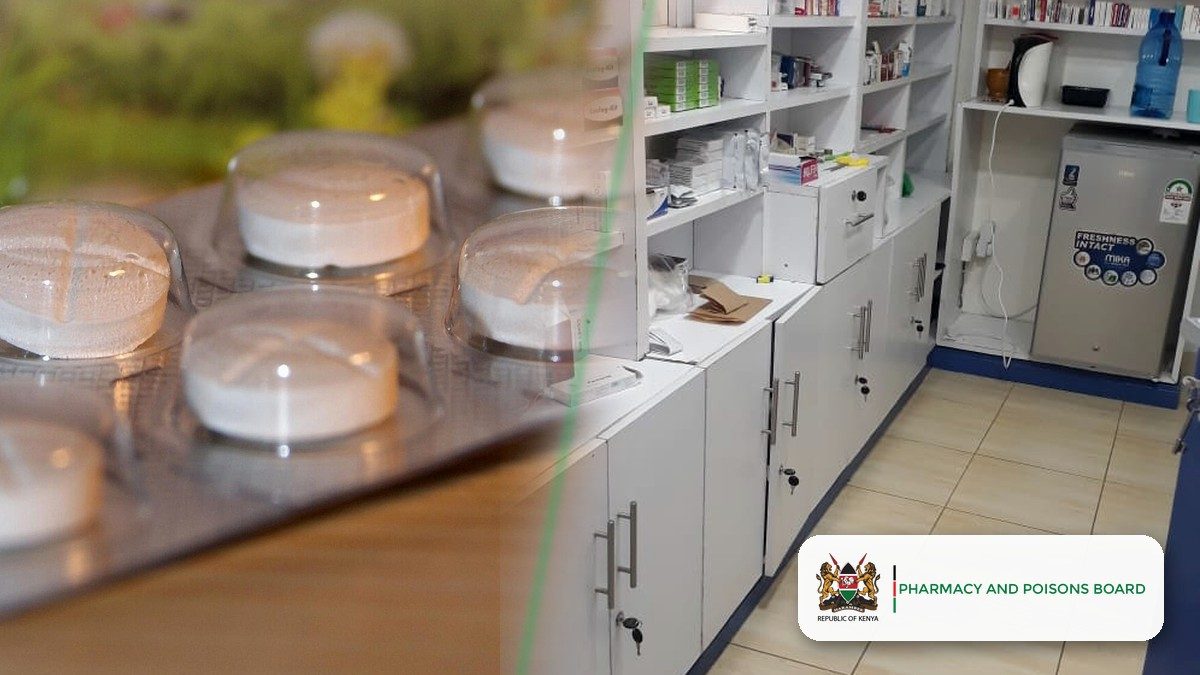
A tablet made to ease sneezing and itchy eyes has become the centre of a social media craze in Kenya, and the country's pharmacy regulator and pharmacists' body now say it is putting women's health at risk while leaving genuine allergy patients struggling to find their medicine.
The Pharmacy and Poisons Board (PPB) and the Pharmaceutical Society of Kenya (PSK) both issued warnings on Thursday, 5 November, after viral posts claimed that cetirizine, a common oral antihistamine, could be used for so-called vaginal tightening.
A HAMASTA MEDIA reader who tipped us about the trend described young women crowding pharmacy counters for the drug, with some, the reader said, buying it in large quantities. We could not independently verify the scale of that buying, but the account matches what the pharmacists' society itself has acknowledged: increased demand, rising prices and stock shortages in some outlets.
What the regulators said
In a safety advisory signed by its chief executive, Dr Ahmed Mohamed, the PPB said cetirizine is meant to be swallowed to relieve allergy symptoms such as allergic rhinitis and hives. "Cetirizine is not approved for vaginal use or tightening," the Board said, adding that there is no established scientific evidence supporting it for that purpose.
The Board warned that inserting the tablets can cause irritation, burning, soreness, pain and discomfort, and can upset the vagina's natural protective balance, raising the risk of infection. Taking more than the recommended dose can also bring on extreme drowsiness, dizziness, confusion, tremors, a racing heartbeat and difficulty passing urine.
PSK president Dr Wairimu Njuki said the drug "is not approved or tested for any other purpose, and definitely not for vaginal use". The society explained that the trend rests on a misunderstanding: antihistamines can cause dryness, but dryness is not tightening. Reduced lubrication does not strengthen muscles or change anatomy, PSK said, and instead increases friction and the risk of tissue injury.
Allergy patients caught in the squeeze
PSK said it was aware of reports of higher demand, price increases and shortages in some pharmacies, and urged outlets to keep their pricing ethical so that people who need cetirizine for allergies are not locked out. It also called on pharmacists not to promote or knowingly dispense medicines for misuse.
According to The Standard, Medical Services Principal Secretary Dr Ouma Oluga said he had seen people discussing the medicine online "in a manner that is like a joke", and the Ministry of Health is planning a track-and-trace system to follow cetirizine from manufacturer to buyer, including bulk purchases that could signal misuse. As of 11 November, HAMASTA MEDIA had found no announcement that the system is in place.
What to do instead
Concerns about vaginal or sexual health deserve proper medical care, not online remedies. The authorities advise:
- Do not insert cetirizine or any oral tablet into the vagina, and do not exceed the dose on the pack.
- If you have already tried it, stop. See a doctor if you notice pain, bleeding, burning, itching, unusual discharge or fever. "Your health matters, and you will be treated with respect and without judgement," PSK said.
- Take any concern about vaginal dryness, comfort or sexual health to a qualified clinician.
- Buy medicines only from PPB-licensed premises where a registered pharmacist is present.
- Report suspected side effects to the PPB through its online pharmacovigilance portal, the mPvERS app, or by calling 0795 743 049.
PSK also urged content creators and media to verify medical claims before sharing them.
Photos: Danny S. via Wikimedia Commons (CC BY-SA 3.0); Seldonslukoye via Wikimedia Commons (CC BY-SA 4.0); logo: Pharmacy and Poisons Board. Thumbnail design: HAMASTA MEDIA.


Take your event live to thousands.
Multi-camera live streams, panel discussions and digital broadcasts with professional crews.




More in Health
See all
Only 19% of Kenyan women have ever been screened for cervical cancer, KNBS survey shows

Kenya–US health deal: PS Oluga calls for shared ownership as framework is finalised

Mbagathi Hospital expands diabetes clinic to five days a week

Congo's Ebola outbreak still out of control six months on, with over 11,000 cases

435,700 Kenyans have diabetes and don't know it: Doctors push free screening as survey finds only 7 in 100 at-risk adults think it could happen to them

Global Community Remarks
0