
'My baby survived because of an incubator': 92 machines, 44 counties and the Nyeri twins who show why they matter

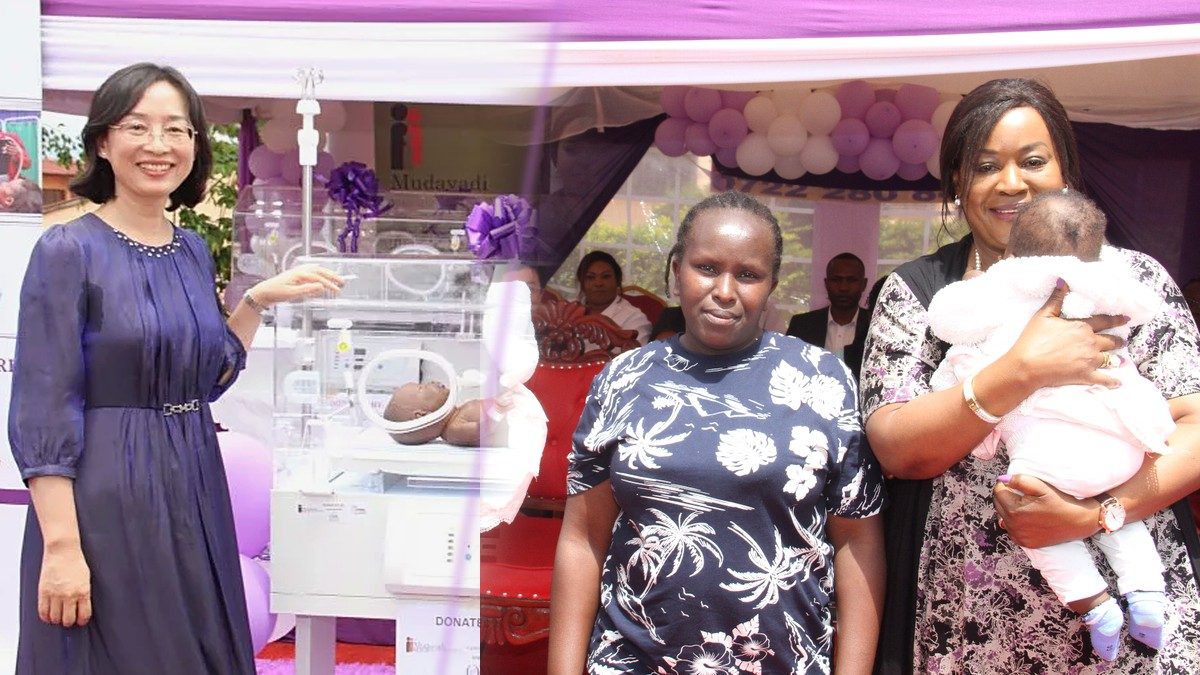
Eight-month-old twins Nova Gathoni and Oliver Wanjiku were cradled before the cameras in Nyeri on Saturday, two girls in pink who were born too early and survived because of the neonatal incubators at Nyeri County Referral Hospital.
Their mother, Lilian Wachuka, stood between the two women holding them: Tessie Mudavadi, wife of Prime Cabinet Secretary Musalia Mudavadi, and China's Ambassador to Kenya, Guo Haiyan. The babies were the living argument for the equipment being handed over at the same ceremony.
Twelve more incubators, and a finished plan
The event at the referral hospital marked this year's World Prematurity Day celebrations and the third anniversary of Okoa Malaika, an infant pre-term programme run jointly by the Ushiriki Wema Foundation, which Mrs Mudavadi chairs, and the Mudavadi Memorial Foundation Trust Fund.
Twelve neonatal incubators were handed to six counties: Nyeri, Kirinyaga, Nyandarua, Laikipia, Kiambu and Murang'a. With that, the programme said it had completed what it calls Strategic Plan A, the distribution of incubators to public hospitals.
The numbers since the launch on November 17, 2023:
- 92 neonatal incubators distributed.
- 49 health facilities reached, mainly Level 4 and Level 5 public hospitals.
- 44 counties covered over 10 successive phases.
"Today marks not only the third anniversary of Okoa Malaika, but also a significant milestone in our journey: the final phase and successful completion of our Strategic Plan A," Mrs Mudavadi said, according to The Star.
She said the machines are only part of the answer, urging stronger antenatal care, early detection of pregnancy complications and education for expectant mothers and their families on attending clinics. "Prematurity is not just a medical issue; it is also a family, community and public health concern," she was quoted as saying by Africa Times Network.
'A set of medical equipment sustains the hope of a family'
The Chinese Embassy has backed the programme for three years running. Ambassador Guo said timely treatment and proper equipment could make a significant difference in saving newborn lives.
"An incubator protects a tiny life, while a set of medical equipment sustains the hope of a family," she said.
For some in the audience, that was not a figure of speech. Nyeri Central Senior Chief Christopher Wambugu told the gathering that his own child was born at seven months at the same hospital in 2013 and was placed straight into an incubator. "My baby survived because of an incubator," he said.
Peris Muthee, a neonatal nurse at the hospital, said the extra machines would allow more premature and critically ill newborns from Nyeri and neighbouring counties to receive timely, safe care.
What parents should know
World Prematurity Day is marked globally on November 17. This year's theme, "Small babies, big potential. Invest in follow-up care to protect their future!", shifts attention to what happens after a baby leaves the newborn unit.
Okoa Malaika brand ambassador Njoki Mambo said continued medical checks and family support were essential once premature babies go home. "Every baby deserves the best possible start in life, including those born too soon," she said.
The advice for mothers and families from the event:
- Attend antenatal clinics regularly and learn the danger signs in pregnancy.
- Practise Kangaroo Mother Care alongside breastfeeding and good nutrition.
- Keep up medical assessments and follow-up care after discharge.
With the incubator phase complete, the test now moves to the counties that received the machines. At an earlier handover in Kisumu in September, Mrs Mudavadi urged county governments to maintain donated incubators so that they keep saving premature babies, Capital FM reported.
Photos: Handout via The Star; Africa Times Network. Thumbnail design: HAMASTA MEDIA.

Tell your story on screen.
Commercials, documentaries, interviews and social video, from script to final cut.





More in Health
See all
Only 19% of Kenyan women have ever been screened for cervical cancer, KNBS survey shows
Kenya–US health deal: PS Oluga calls for shared ownership as framework is finalised
Mbagathi Hospital expands diabetes clinic to five days a week
Congo's Ebola outbreak still out of control six months on, with over 11,000 cases
435,700 Kenyans have diabetes and don't know it: Doctors push free screening as survey finds only 7 in 100 at-risk adults think it could happen to them
Eight infected in Kenya, none in Nigeria: Pathologist Ahmed Kalebi wants answers on why Ebola spread from one patient here, including to four health workers
Global Community Remarks
0