
Iraq's Jurf al-Sakhar deal with Kataib Hezbollah tests push to rein in militias
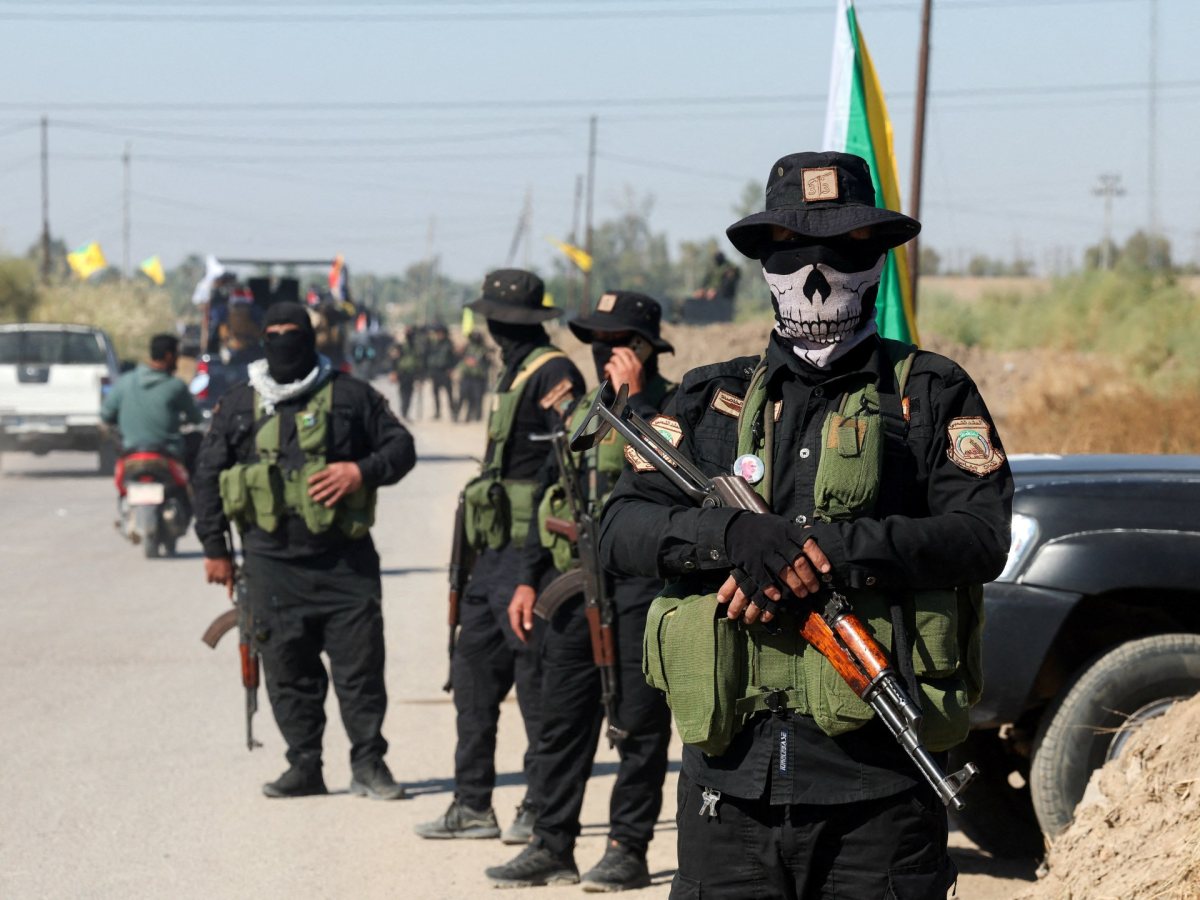
Iraqi government forces have moved into Jurf al-Sakhar, a fortified town held for more than a decade by the Iran-backed armed group Kataib Hezbollah. Analysts say the compromise that made this possible may do little to end the militia's influence, according to Al Jazeera.
The agreement was reached on Thursday, a day before a government deadline for the group to withdraw. It averted a possible armed confrontation between the state and one of Iraq's most powerful militias.
How the deal came about
Jurf al-Sakhar lies about 60km southwest of Baghdad. Kataib Hezbollah captured it from ISIL (ISIS) in 2014 and renamed it Jurf al-Nasr, meaning "victory". Since then, the group has kept state authorities out and is alleged to have siphoned oil from pipelines in the area.
This week, an intelligence report on oil smuggling in the town prompted the government to set up a high-level committee to investigate. Prime Minister Ali al-Zaidi then announced an anti-corruption crackdown and ordered Kataib Hezbollah to leave by Friday.
Under the compromise, a joint operations centre has been set up in the town. Kataib Hezbollah units are expected to withdraw gradually as several forces are deployed in phases:
- an army brigade
- a federal police brigade
- an energy police regiment
- two brigades from the Popular Mobilisation Forces (PMF)
The deal reportedly followed direct intervention by Esmail Qaani, who heads the Quds Force of Iran's Islamic Revolutionary Guard Corps. The Quds Force has long-standing ties with several Iraqi militias.
A wider security concern
Al-Zaidi, a businessman from a Shia background, took office in May. He pledged to fight corruption and end the fragmentation of Iraq's security forces. His original September 30 deadline for militias to put their weapons under state control coincided with the withdrawal of US and allied troops. The militias refused, and the deadline has been pushed back to June 2027.
Baghdad is particularly worried that armed groups are using Iraqi territory to launch unauthorised attacks on Iran's behalf. Since the US-Israeli war on Iran began, several Iraqi militias have pledged support for Tehran. The government has admitted that attacks on neighbouring countries have come from its soil.
In July, after Iran-aligned militias struck Saudi Arabia's East-West Pipeline, the United States and Saudi Arabia carried out retaliatory strikes on PMF targets across Iraq. At least 20 personnel were killed, and Baghdad condemned the strikes.
Iraq affairs expert Akeel Abbas told Al Jazeera that the town had taken part in Iran's war effort, including attacks on Gulf states and US interests in Iraq. He described it as the strongest and most fortified militia-held area, where the best weapons are stored. By moving in, Baghdad has signalled to Washington that the site need no longer be a target.
Doubts over real change
Zeidon Alkinani, founding director of the Doha-based Arab Perspectives Institute, called the deal a positive step because it was reached through negotiation rather than fighting. He said the open questions were how long the process would take and what the armed groups would expect in return.
Deployment could take weeks. Kataib Hezbollah may also keep its influence through PMF units that are part of the new force.
Tallha Abdulrazaq, a security consultant and Iraq expert, was more sceptical. He argued that the presence of militia and pro-militia personnel in the government contingent undermined the deal.
"Effectively, we're changing Shia militias for Shia militias, but in uniform," Abdulrazaq said.
He noted that there had been no announcement about disarming the fighters or dismantling missile and drone facilities built with Iranian expertise.
Background
Iran-backed groups have grown into some of Iraq's most powerful actors since the 2003 US-led invasion that toppled Saddam Hussein. Some, including Kataib Hezbollah and Asa'ib Ahl al-Haq, emerged from resistance to the US occupation. Others were formed to fight ISIL after a fatwa by senior Shia cleric Ali al-Sistani.
The PMF is formally part of Iraq's security forces, which gives the militias semi-official status. However, groups such as Kataib Hezbollah still operate outside state control. They face accusations of running corrupt patronage networks and of weakening the government's authority.
This story was prepared by the Hamasta Newsdesk with AI assistance, based on reporting by Al Jazeera. Read the original report. Photo: Al Jazeera.


Grow an audience that listens.
Social media management, digital campaigns and online storytelling that converts.



More in International
See all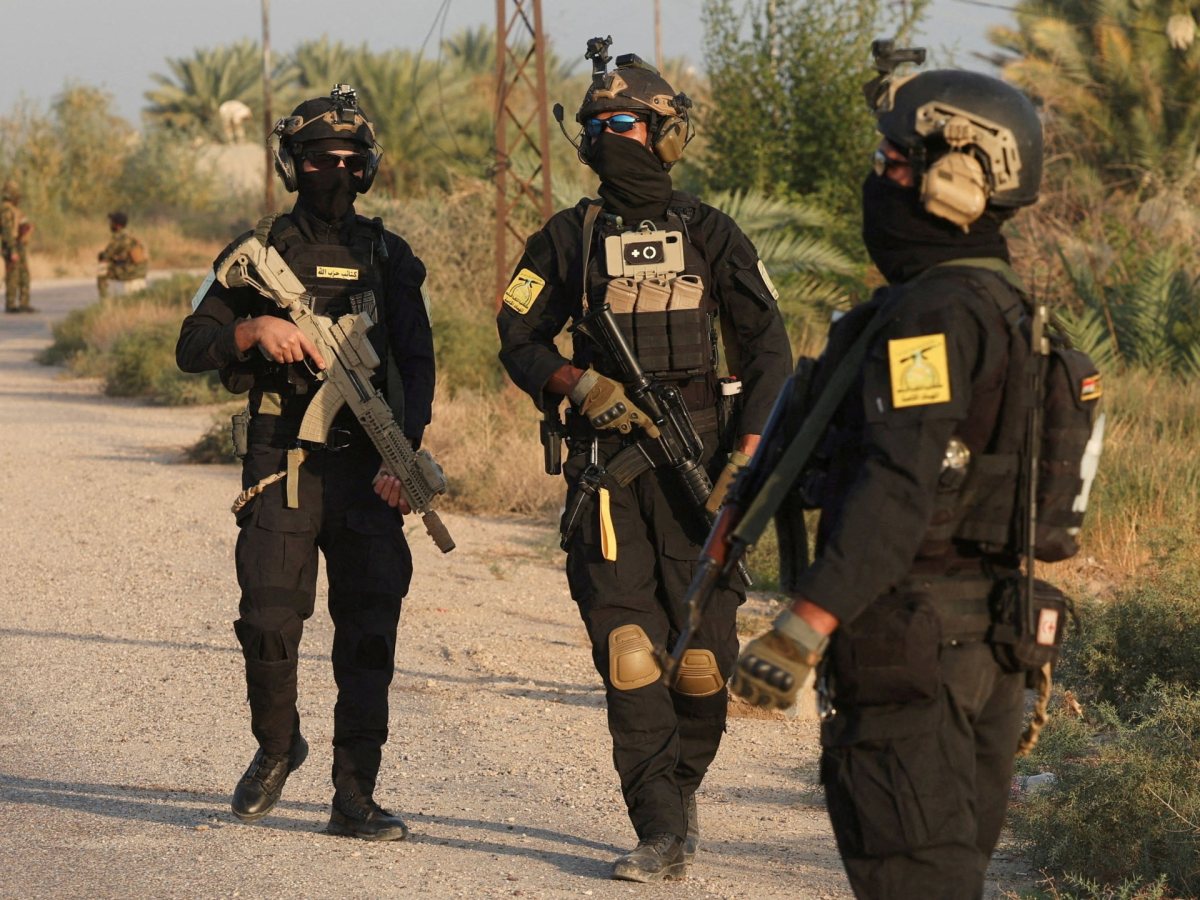
Iraq strikes deal with Kataib Hezbollah over Jurf al-Sakhar stronghold
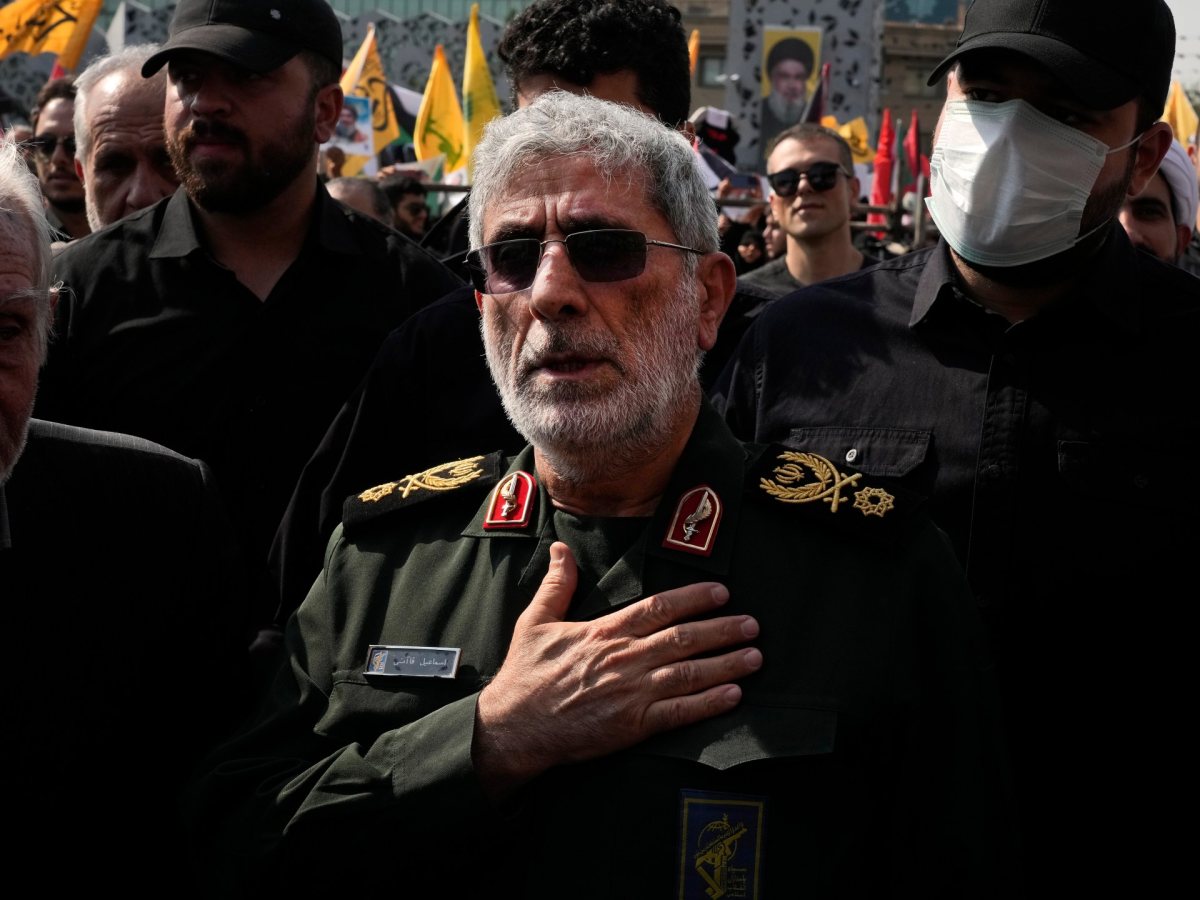
Iran's Quds Force chief Qaani in Iraq as Kataib Hezbollah standoff deepens
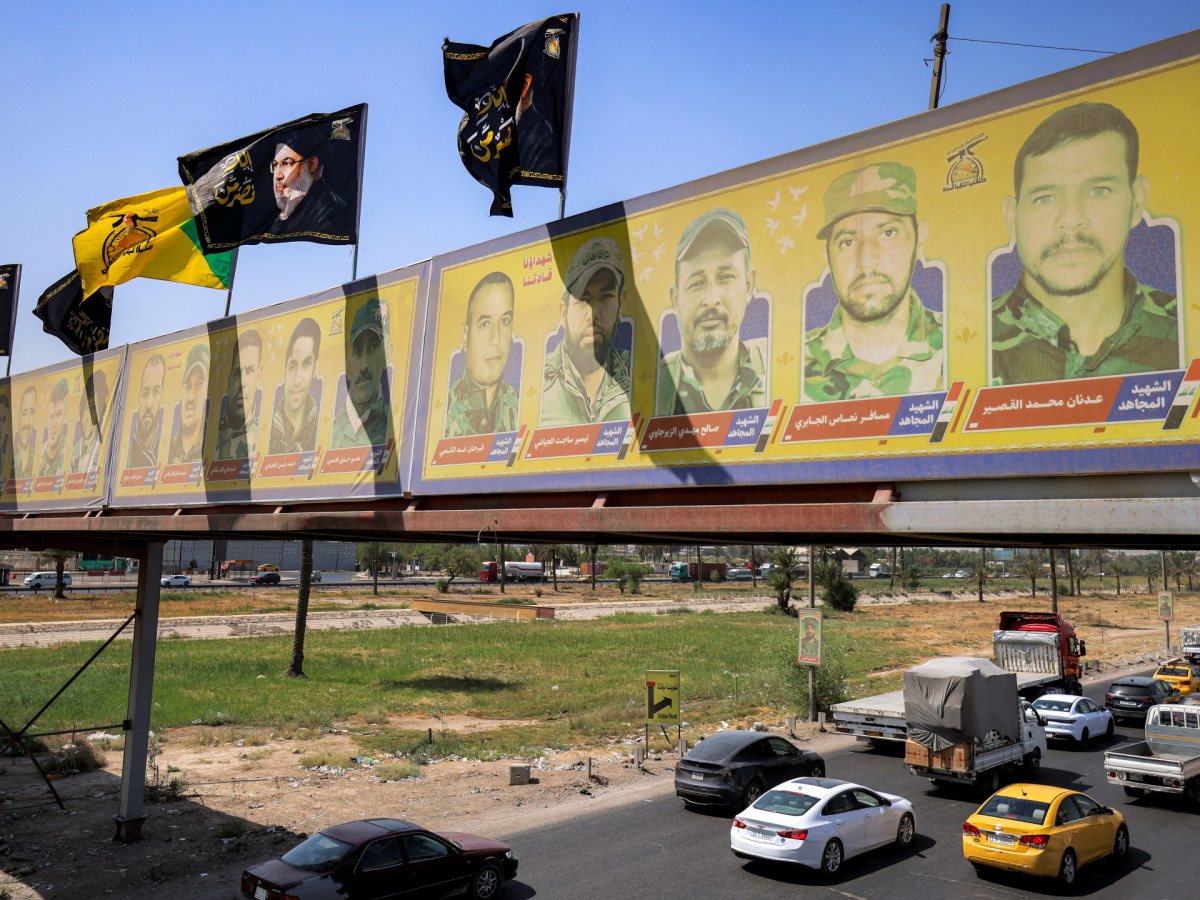
Iraq orders army into Kataib Hezbollah stronghold amid oil smuggling probe
KRA wins 52pc of tax disputes as firms falter on records and deadlines
Kenyans in Bahrain Urged to Stay Alert as US Warns of Heightened Security Threat
Global Community Remarks
0