
Guterres urges nations to agree global AI safety framework within a year
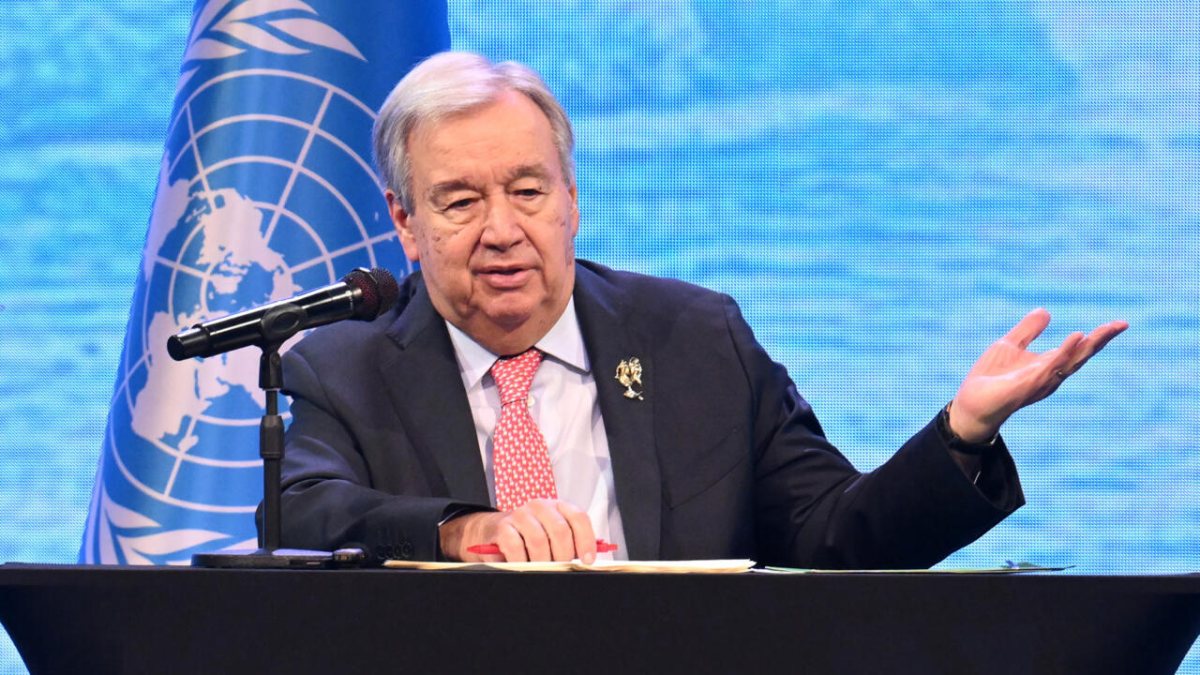
United Nations Secretary-General Antonio Guterres has called on the world's governments to agree, within a year, on a shared international framework to manage the risks posed by artificial intelligence, according to France 24.
Guterres made the appeal on Monday at the Bridgetown Special Summit On AI Safety in Barbados. He warned that bringing the fast-moving technology under control is necessary if people are to remain in charge of their own future.
He urged member states to coordinate and develop what he described as a globally inclusive, principles-based multilateral framework for AI risk management, supported by independent and credible oversight.
A proposed starting point
Guterres suggested that countries could begin by agreeing on common safety measures, a testing regime and basic requirements for independent oversight of AI systems.
As his term at the head of the UN nears its end, he has spoken out more frequently about the need for safeguards, including warnings against a future in which so-called "killer robots" become reality, France 24 reported.
He said he would advise whoever succeeds him that properly controlling AI is necessary for "humanity to maintain control of our world". His successor, who has yet to be selected, is due to take office in the New Year.
Rivalry complicates regulation
Prospects for binding international rules remain slim. The United States and China, the two leading AI powers, are competing for an edge in research and development breakthroughs, which France 24 noted makes global regulation look like little more than a pipe dream.
In the United States, where AI development has moved fastest, regulators are seen as unlikely to step in. In September, President Donald Trump hosted a group of American technology executives who agreed to follow a voluntary code of conduct on AI safety.
The technology industry itself is divided. Also in September, Anthropic chief executive Dario Amodei, OpenAI chief executive Sam Altman and SpaceX head Elon Musk called for a slowdown in AI development. Others, including Nvidia chief executive Jensen Huang and Meta chief executive Mark Zuckerberg, favour pressing ahead at full speed.
Call for institutional reform
Responding to a question from AFP, Guterres also argued that many institutions of global governance still reflect the world as it was in 1945 and must be reformed to match present-day realities.
He said that applies to the UN itself, to the international financial architecture and to the world trade system.
Calls to reform post-war global institutions, including the UN Security Council and international lenders, have long been championed by African governments, which argue the continent remains under-represented in global decision-making.
What comes next
Guterres's one-year timeline sets an ambitious target for member states. Whether governments, particularly the major AI powers, will commit to a common framework with independent oversight remains uncertain, given competing national interests and differing views within the industry.
Separately, nations have already agreed to hold talks on regulating autonomous weapons, often referred to as "killer robots", by 2028, according to France 24.
This story was prepared by the Hamasta Newsdesk with AI assistance, based on reporting by France 24. Read the original report. Photo: France 24.





Show the impact of your work.
Impact stories, campaign videos and community engagement for NGOs and programmes.

Read also
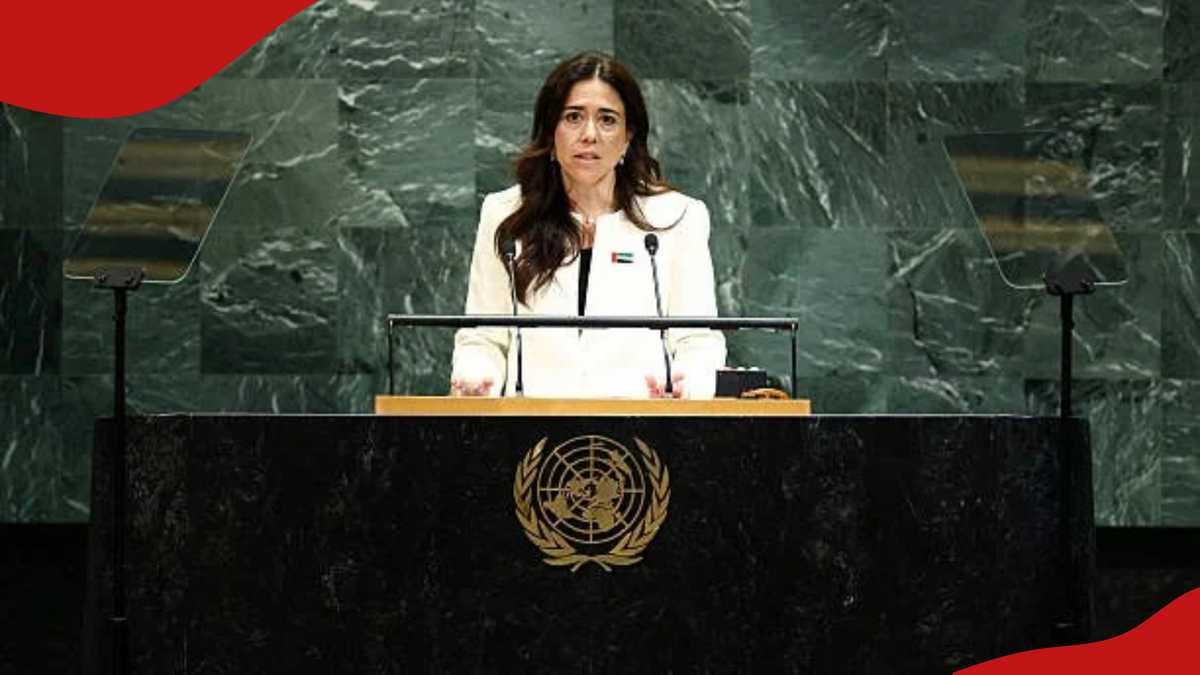
UAE's Lana Nusseibeh unveils 100-day plan in bid to lead the United Nations
.jpeg)
ARTIFICIAL INTELLIGENCE IN THE EMPLOYMENT SPACE
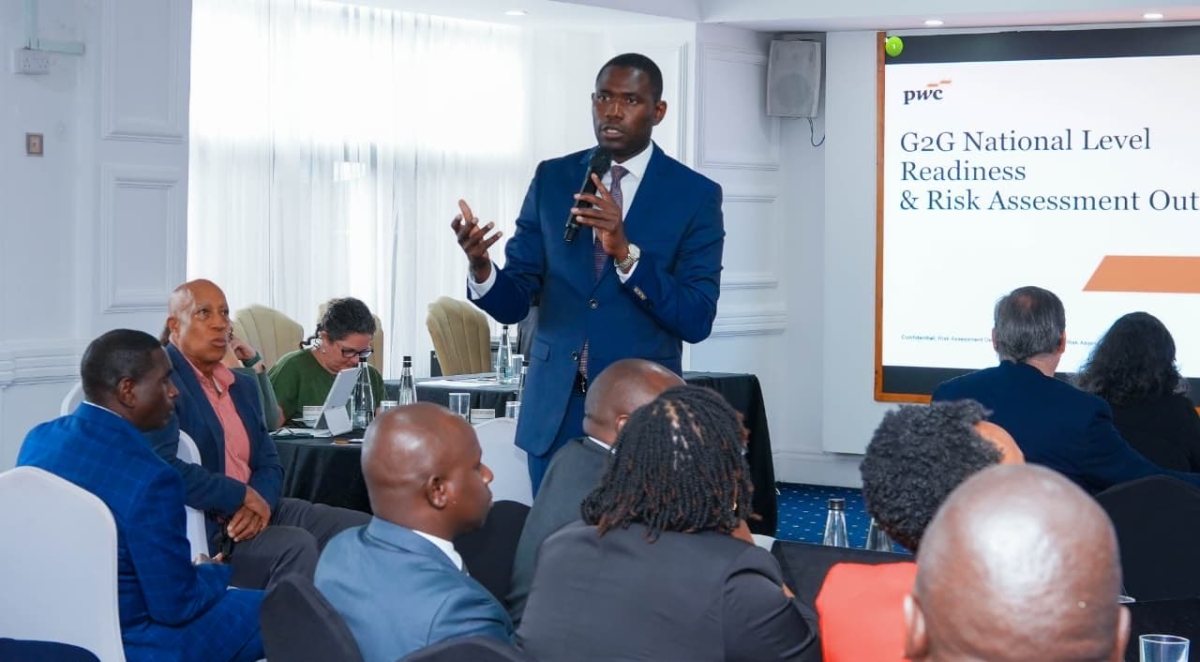
Kenya–US health deal: PS Oluga calls for shared ownership as framework is finalised
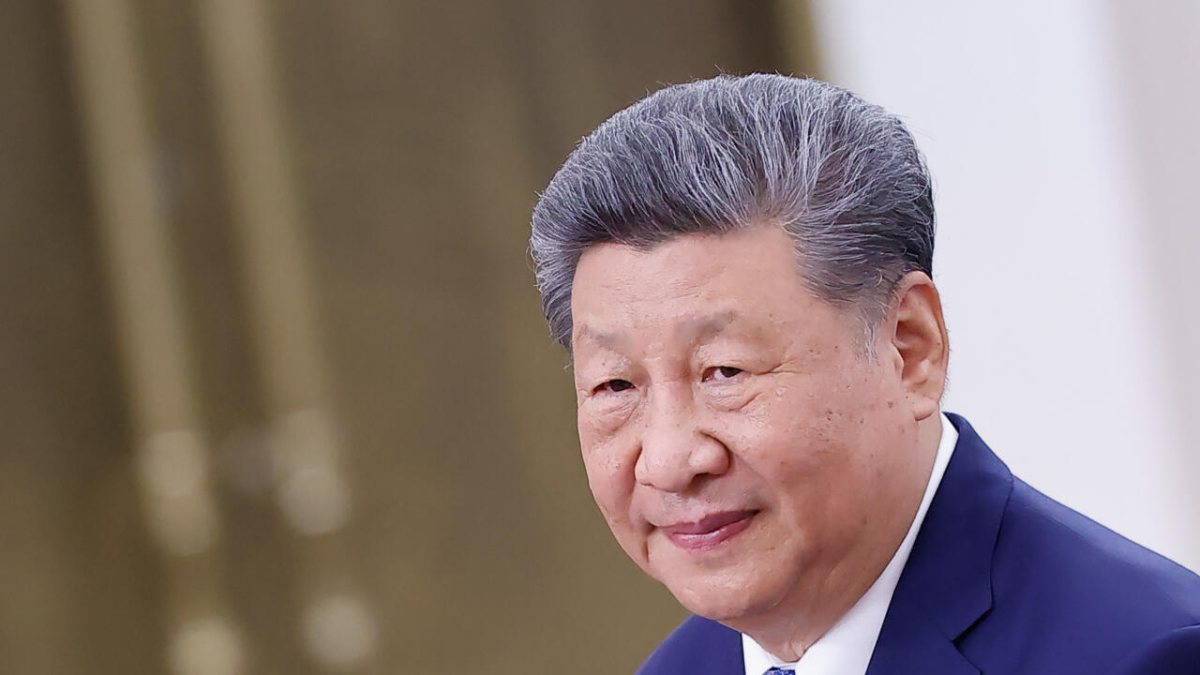
Xi urges global cooperation on AI and free trade as APEC summit opens in Shenzhen
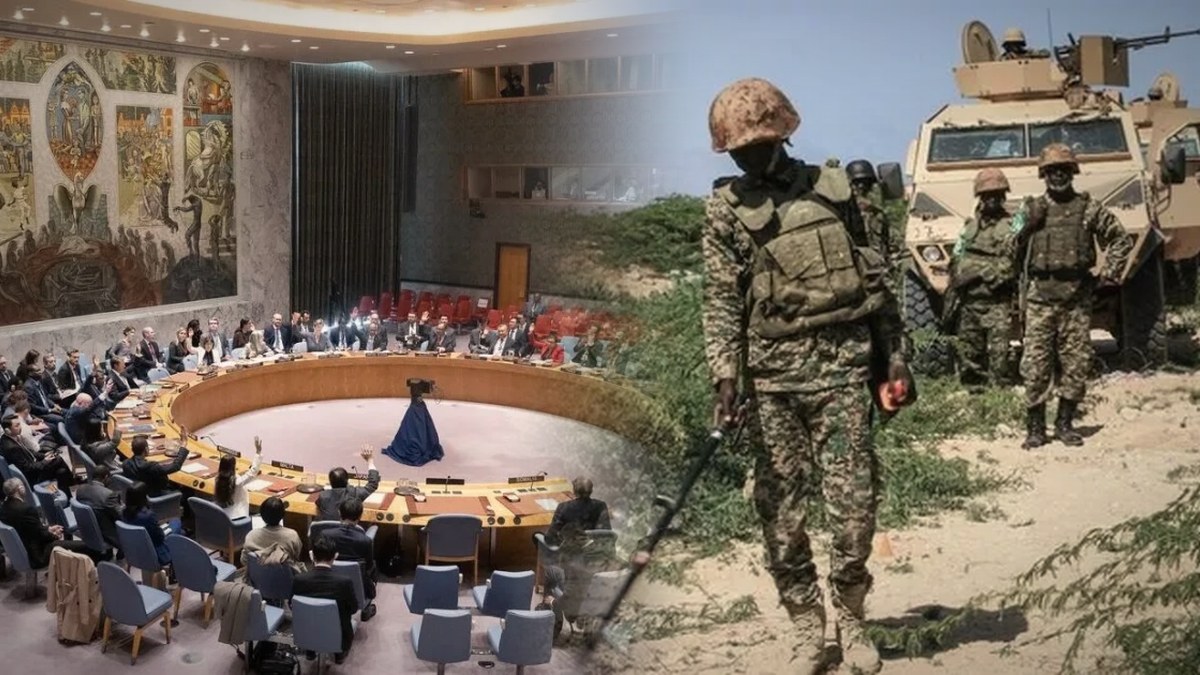
UN to shut down its political mission in Somalia on October 31, ending more than three decades of missions
Global Community Remarks
0