
Firms Must Report Data Breaches to ODPC Within 72 Hours, New Guidance Says

Companies and institutions that hold Kenyans' personal information must notify the Office of the Data Protection Commissioner (ODPC) within 72 hours of learning of a data breach that poses a real risk of harm, according to guidance reviewed by Kenyans.co.ke.
The requirement is anchored in Section 43 of the Data Protection Act, 2019, and is set out in the ODPC's 2026 Guidance Notes for Data Protection Policies, which detail the steps organisations are expected to take once personal data is compromised.
Exposure of sensitive personal details can leave individuals vulnerable to identity theft, financial losses, damage to their reputation and emotional distress.
What counts as a breach
Under the guidance, a breach happens when personal data is accessed, acquired or exposed by someone who is not authorised to do so. The 72-hour reporting window applies where such an incident creates a real risk to the rights and freedoms of the people whose data is involved.
The ODPC says an effective data protection policy should set out incident response procedures that allow institutions to detect possible breaches quickly through monitoring and reporting systems, and to contain them before they spread or worsen. Organisations are also expected to assess the nature, scope and impact of any incident.
What the regulator must be told
A notification to the Data Commissioner must describe the nature of the breach, the personal data involved, how far the breach extends and its possible consequences for those affected.
It must also outline the measures the data controller has taken, or plans to take, to deal with the breach and prevent a repeat.
Where a controller cannot meet the 72-hour deadline, it must explain why, giving the reasons and circumstances behind the delay alongside the notification.
Informing affected Kenyans
Once a breach has been identified and reported, the data controller is expected, where applicable, to inform the people whose information was exposed. This should happen within a reasonable period and in a way that allows them to protect themselves.
The communication should explain what happened, what steps have been or will be taken to address the breach, and practical advice to limit the damage, such as changing passwords or keeping an eye on accounts.
Where relevant, it should also identify the unauthorised party that accessed the data and provide contact details for the Data Protection Officer or another point of contact for questions.
Exemptions and delays
The ODPC allows for informing affected individuals to be delayed or restricted where this is necessary and proportionate to help authorities prevent, detect or investigate an offence.
Organisations may also be exempt from notifying data subjects if they had appropriate security safeguards in place, such as encryption, that make harm to the affected individuals unlikely.
Record-keeping and training
Beyond reporting, data controllers must keep detailed records of every breach. These should cover how it was discovered, its scale, the data affected, any harm caused to individuals, the remedial actions taken to contain it and the measures put in place to prevent future incidents.
The guidance further says data protection policies should include training and awareness programmes so that employees, contractors and other relevant parties understand their obligations on handling personal data, managing breaches and maintaining confidentiality.
This story was prepared by the Hamasta Newsdesk with AI assistance, based on reporting by Kenyans.co.ke. Read the original report. Photo: Kenyans.co.ke.





Show the impact of your work.
Impact stories, campaign videos and community engagement for NGOs and programmes.

Read also

Investors hit by Moldovan leak of BRS data lose out on compensation, ODPC says

Kenya's Data Commissioner Immaculate Kassait Wins Global Buttarelli Privacy Award

A Sh1.25 million award over CCTV in a clinic exam room is thrown out: High Court questions whether the Data Commissioner can make firms pay you at all
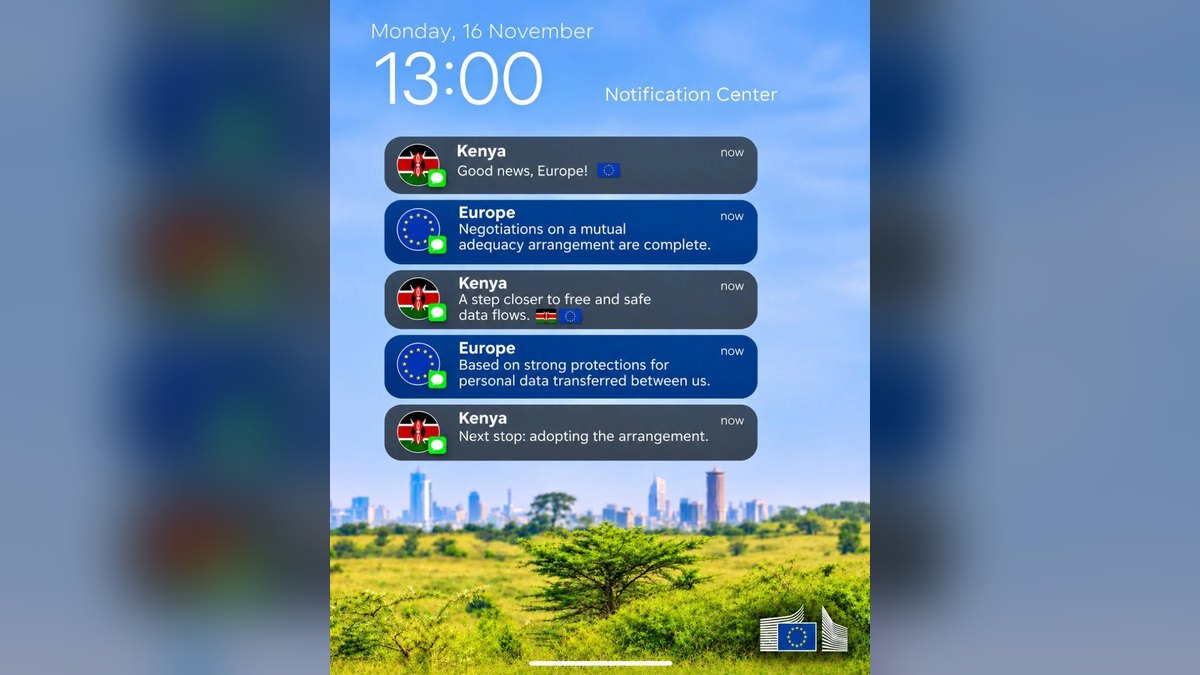
Kenya and EU conclude talks on landmark data protection adequacy deal

Internet metering bill draws fire over privacy, cost fears
Global Community Remarks
0