
KBC proposes Public Media Trust Fund to shield editorial independence
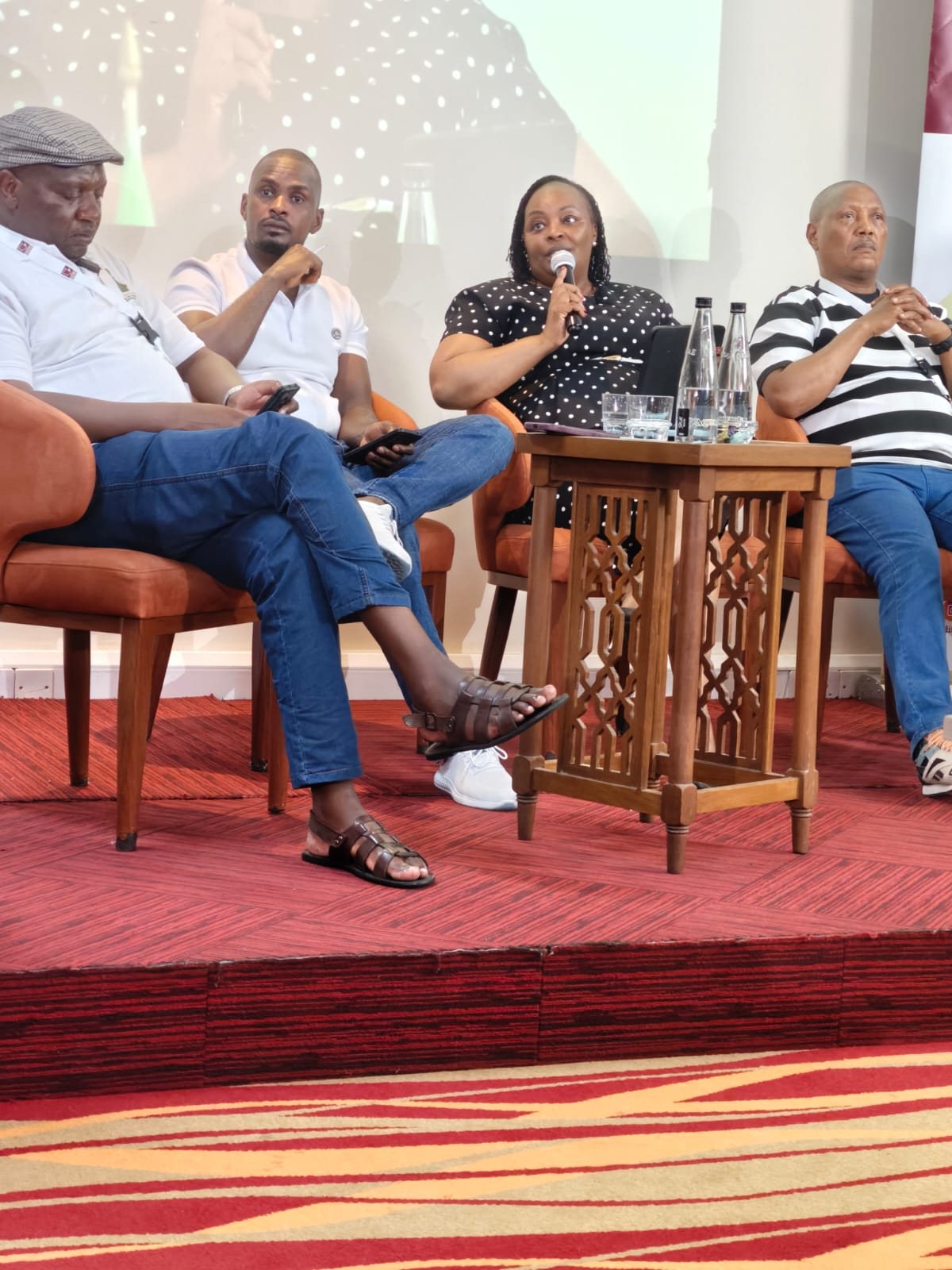
The Kenya Broadcasting Corporation (KBC) is pushing for a Public Media Trust Fund that would give the national broadcaster a steady source of money. It says the fund would also protect its editorial independence at a time when the media industry is under growing financial strain.
KBC Managing Director Agnes Kalekye made the proposal at the 9th annual convention of the Kenya Editors Guild in Mombasa, according to KBC. She said the fund should be created through an amendment to the Kenya Broadcasting Corporation Act.
Treasury dependence 'compromises independence'
Kalekye said KBC currently relies on National Treasury allocations to keep running from month to month. She argued that this arrangement weakens the broadcaster's ability to report freely.
She likened the situation to living under a landlord with the power to throw out a tenant. In her words:
"It is like having a landlord who can evict you whenever you publish a story they do not like."
She described the matter as one that deserves wider debate, including among media owners.
How the fund could be financed
Kalekye suggested that the fund be financed independently, rather than through direct government allocations. One option she put forward was a small levy on telecommunications or on spectrum fees.
She said an independent board, rather than politicians, should manage the fund. In her view, this would give editors-in-chief the financial certainty to hire investigative journalists, strengthen their newsrooms and carry out accountability journalism without undue interference.
She added that sustainable funding would help keep editorial decisions separate from financial and administrative management.
Global platforms taking the lion's share of ad money
The proposal comes amid wider concern about the survival of media houses as revenues shrink and advertising moves to digital platforms run by global technology companies.
Communications Authority of Kenya data cited during the discussion showed that Meta platforms, including Facebook and Instagram, account for 80 per cent of digital advertising spending, KBC reported.
Internet advertising revenue in Kenya is projected to almost double, from Ksh40 billion in 2025 to Ksh78 billion by 2030. The figures point to the growing grip of digital platforms on the advertising market.
Kalekye said Meta and Google take roughly 80 per cent of digital advertising revenue. She described this as painful for local media organisations, which invest in producing content while most of the advertising money flows to the global platforms.
Call for fair share rules
The KBC boss urged global digital platforms to renegotiate their deals and pay local publishers and news organisations more for the content that draws users to their services. She said this step alone could be among the most significant interventions in transforming the industry.
She also called for fair share rules that would require international technology firms to compensate local media companies for news content that attracts audiences to their platforms.
What next
Creating the fund would require Parliament to amend the Kenya Broadcasting Corporation Act. Kalekye did not give a timeline for the proposal, and the report did not say whether any amendment has been drafted.
This story was prepared by the Hamasta Newsdesk with AI assistance, based on reporting by KBC. Read the original report. Photo: KBC.



Grow an audience that listens.
Social media management, digital campaigns and online storytelling that converts.



More in Business
See all
Isaboke urges editors not to amplify ethnic incitement ahead of 2027 polls

'Life lazima imove on': Nana Owiti says she would be happy for King Kaka as Ema Kalekye dating rumours swirl

EACC recovers 2.7-acre Kikuyu playground after court cancels church guild's title
Kindiki vows to shield judicial independence as Judiciary budget hits Sh30.4bn

Standard Group names former KBC boss Naim Bilal Yaseen CEO weeks after Chaacha Mwita's exit

Global Community Remarks
0