
Iran warns Iraq not to become Trump's 'instrument' as Baghdad tightens border
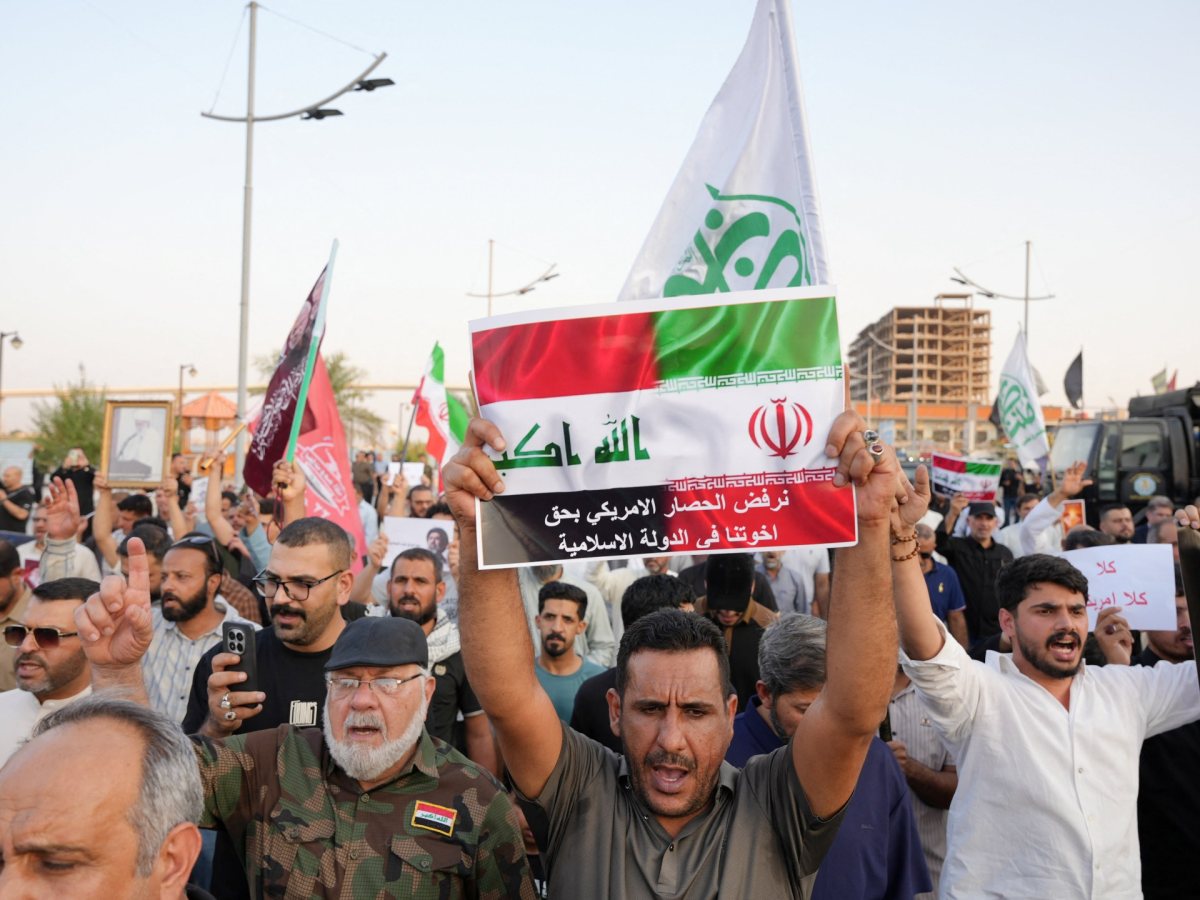
Iran has cautioned Iraq against allowing the United States to shape economic ties between the two neighbours, as Baghdad steps up border controls in a campaign against oil smuggling, according to Al Jazeera.
Mohammad Mokhber, an adviser to Iranian Supreme Leader Mojtaba Khamenei, said on Saturday that Baghdad should not become an "instrument" of US President Donald Trump. He urged Iraqi officials to stay alert on matters linked to the shared border.
The warning came during a visit to Tehran by Iraq's national security adviser, Qasim al-Aboudi, who held talks with Iranian security chief Mohsen Rezaei.
Security pact under focus
Iranian state media reported Rezaei as saying that outside parties should not be permitted to harm economic cooperation between Iran and Iraq. He also called for the full implementation of a bilateral security agreement between the two countries.
Al-Aboudi restated Iraq's commitment to that agreement. He said Baghdad would not let its land or airspace be used to launch attacks on Iran or any other neighbouring state.
US pressure on overland trade
The talks took place as Washington seeks to widen the effect of its naval blockade of Iran by limiting the country's trade by land. Earlier this month, Iraqi Foreign Minister Fuad Hussein told Al Jazeera that the US Treasury had asked Baghdad to close all but two of its border crossings with Iran.
Al Jazeera's correspondent in Tehran, Amer Lafi, said further closures were a serious worry for Iranian officials because the country has come to depend more on land routes since the naval blockade was imposed. Under the US request, he said, only two crossings would remain open: one in Iraq's semi-autonomous northern Kurdish region and another run directly by the federal government.
Baghdad insists on sovereignty
Responding to Mokhber's comments, Iraqi government spokesperson Haider al-Aboudi told Al Hadath television that Baghdad respects the sovereignty of its neighbours but will not tolerate interference in its own affairs.
He said the measures being taken inside Iraq were not aimed at neighbouring countries, and that Prime Minister Ali al-Zaidi's government had mediated with Washington to keep commercial crossings and air links with Iran operating.
"These crossings are a sovereign matter," the spokesperson said.
He added that Baghdad would have the final word on how the crossings operate, and that the delegation's trip to Tehran covered security and management of the Iraq-Iran frontier.
Crackdown on smuggling
On Thursday, Iraqi authorities began shutting unofficial crossings with neighbouring countries, including in the Kurdish region, on the orders of al-Zaidi. The step forms part of a wider effort to curb oil smuggling and to bring several oilfields and crossings previously run by Kurdish authorities under federal control.
An Iraqi intelligence report cited by the state news agency INA said oil was being moved from northern Iraq into Iran, where it was mixed with Iranian crude to get around US sanctions.
An Iraqi official told Al Jazeera the military had strengthened its presence in parts of oil-rich Kirkuk province to block smuggling along unofficial routes.
Iraq's Interior Ministry also said on Saturday it was constructing security fortifications along the Iranian border in the Hawizeh Marshes. These include a 50km earthen barrier and concrete border posts.
Tensions with Kurdish authorities
The crackdown has won backing from Trump but has strained relations between Baghdad and the Kurdistan Regional Government, which accuses federal authorities of acting unconstitutionally.
Federal and Kurdish leaders are expected to meet in Baghdad on Tuesday to try to resolve the dispute.
This story was prepared by the Hamasta Newsdesk with AI assistance, based on reporting by Al Jazeera. Read the original report. Photo: Al Jazeera.


Take your event live to thousands.
Multi-camera live streams, panel discussions and digital broadcasts with professional crews.




More in International
See all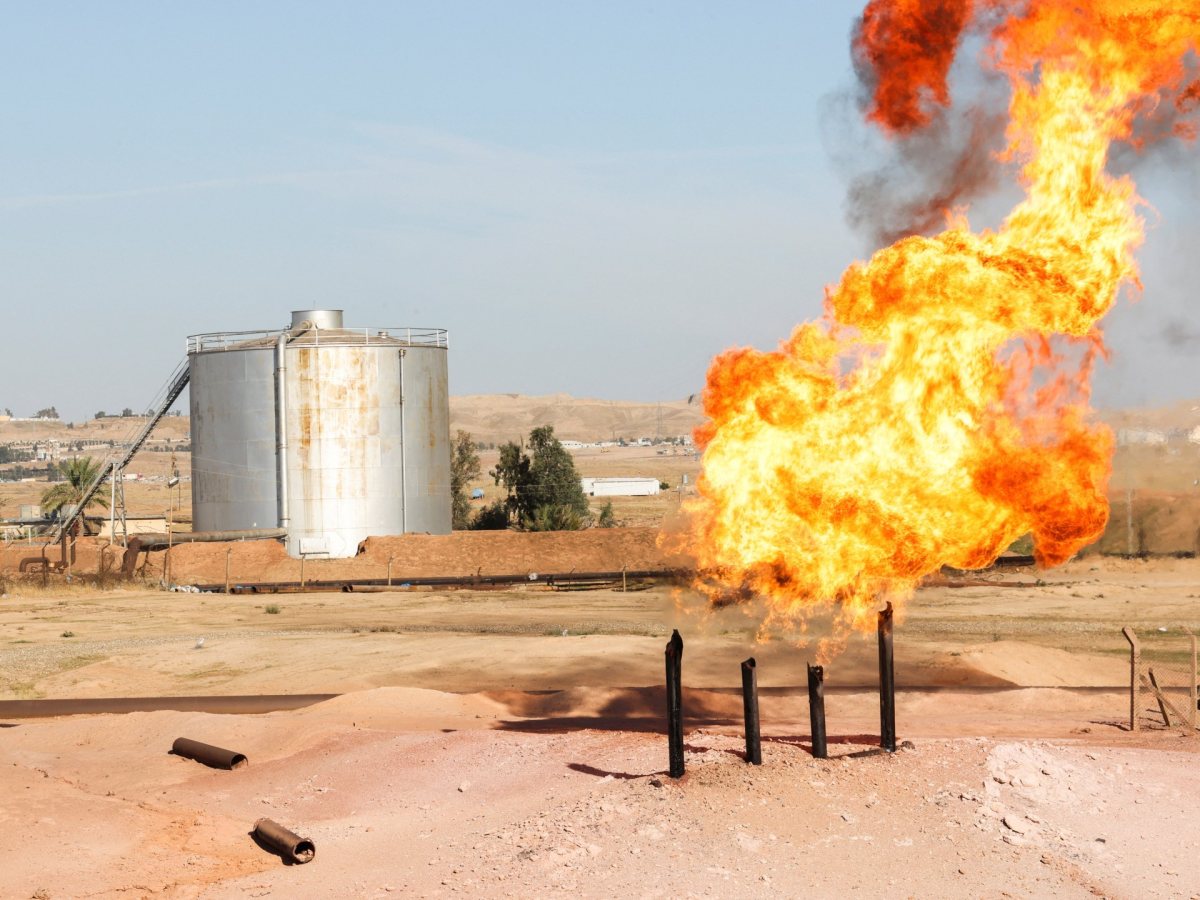
Trump backs Iraqi PM al-Zaidi's oil smuggling crackdown as Kurdish tensions rise
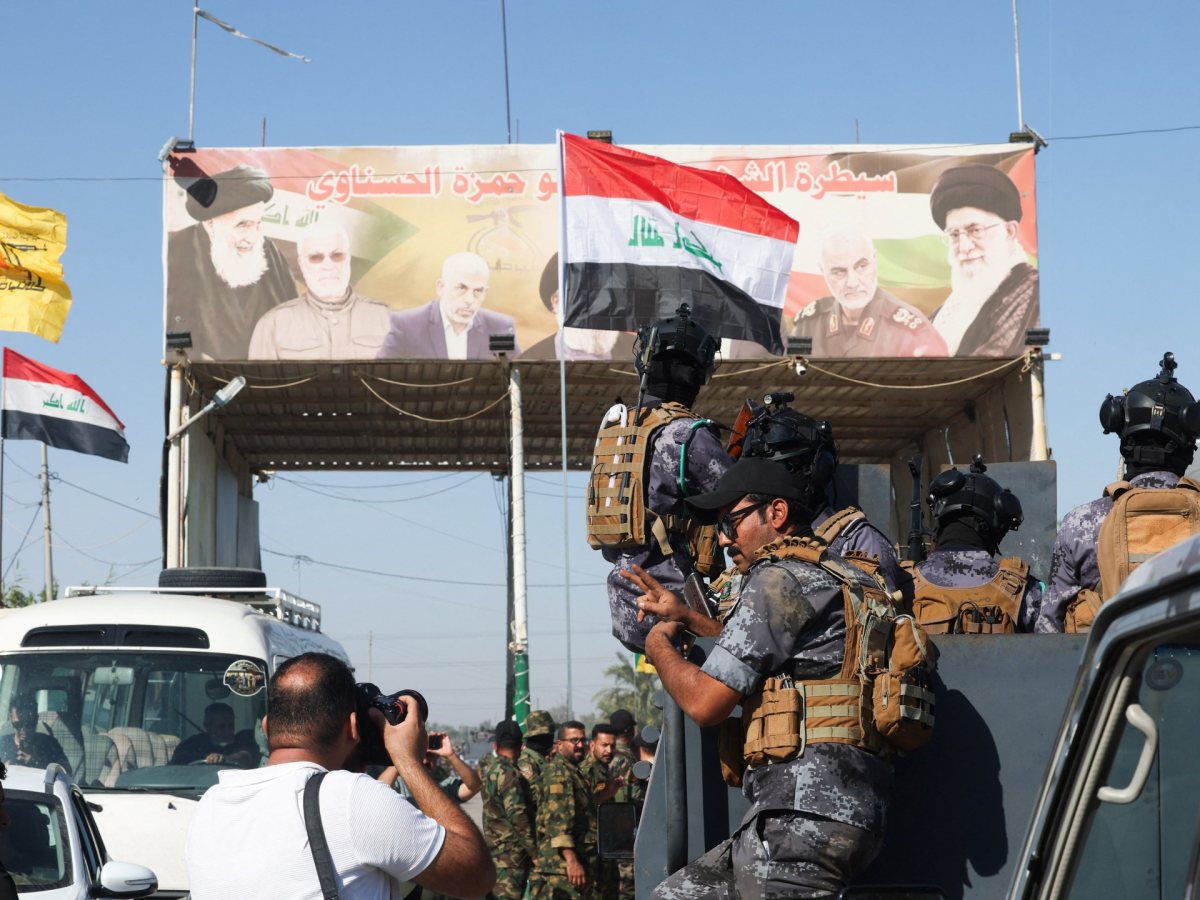
Iraq's top court backs Baghdad's bid to control Kurdish borders and oil fields
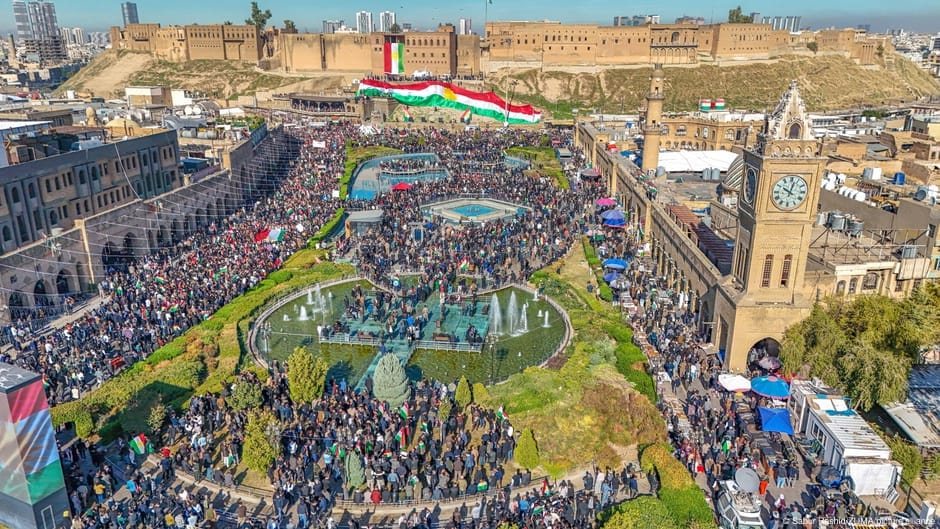
Thousands protest in Iraqi Kurdistan as Baghdad moves to seize oil and border control
Iraq orders army into Kataib Hezbollah stronghold amid oil smuggling probe
Iraqi PM visits Lebanon as Baghdad seeks oil export routes that avoid Hormuz
Global Community Remarks
0