
Iraq's top court backs Baghdad's bid to control Kurdish borders and oil fields
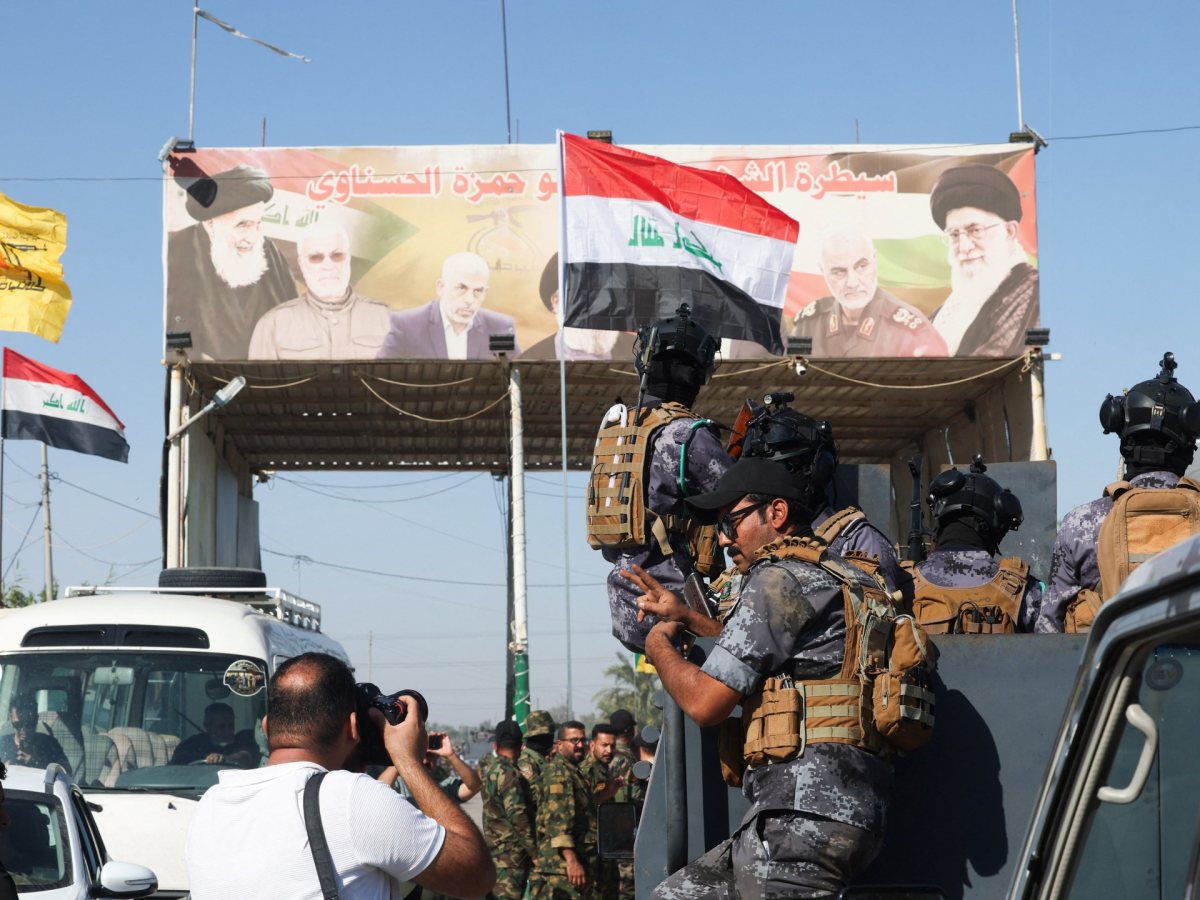
Iraq's highest court has ruled that the federal government in Baghdad may deploy troops to all of the country's international borders, including those in the semi-autonomous Kurdish region, according to Al Jazeera.
The Federal Supreme Court's decision on Wednesday came just one day after Prime Minister Ali al-Zaidi ordered federal forces to take control of border crossings run by Kurdish authorities. He also demanded authority over oil fields guarded by Kurdish security forces, saying the measures were needed to stop oil smuggling.
What the court decided
Beyond the deployment of troops, the court found that federal authorities could supervise agencies working at every border crossing in the country, including those in the Kurdish north, state television reported. However, the judges said Baghdad must work alongside regional and provincial governments on customs administration.
On energy, the court said the federal oil ministry has the power to oversee and audit oil and gas fields. Management of the oil and gas produced, it added, remains a shared responsibility between Baghdad, regional governments and the provinces where the resources are extracted, according to state TV.
The government has not said how or when the takeover will be carried out.
Kurdish anger
The Kurdistan Regional Government reacted sharply to the prime minister's order before the ruling, describing it as "an assault" on the region's constitutional rights.
On Wednesday, the regional government also rejected what it termed the "military language and threats" contained in a statement from the Iraqi military outlining the new measures. It said it was already cooperating with federal authorities to fight corruption and called for oil smuggling to be stopped across the whole of Iraq.
Iraq's state news agency, citing a federal intelligence report, said oil belonging to the state-owned North Oil Company was being diverted from Kirkuk and from Sulaimaniyah, inside the Kurdish region, and smuggled to Iran and then on to Afghanistan.
A wider push for central control
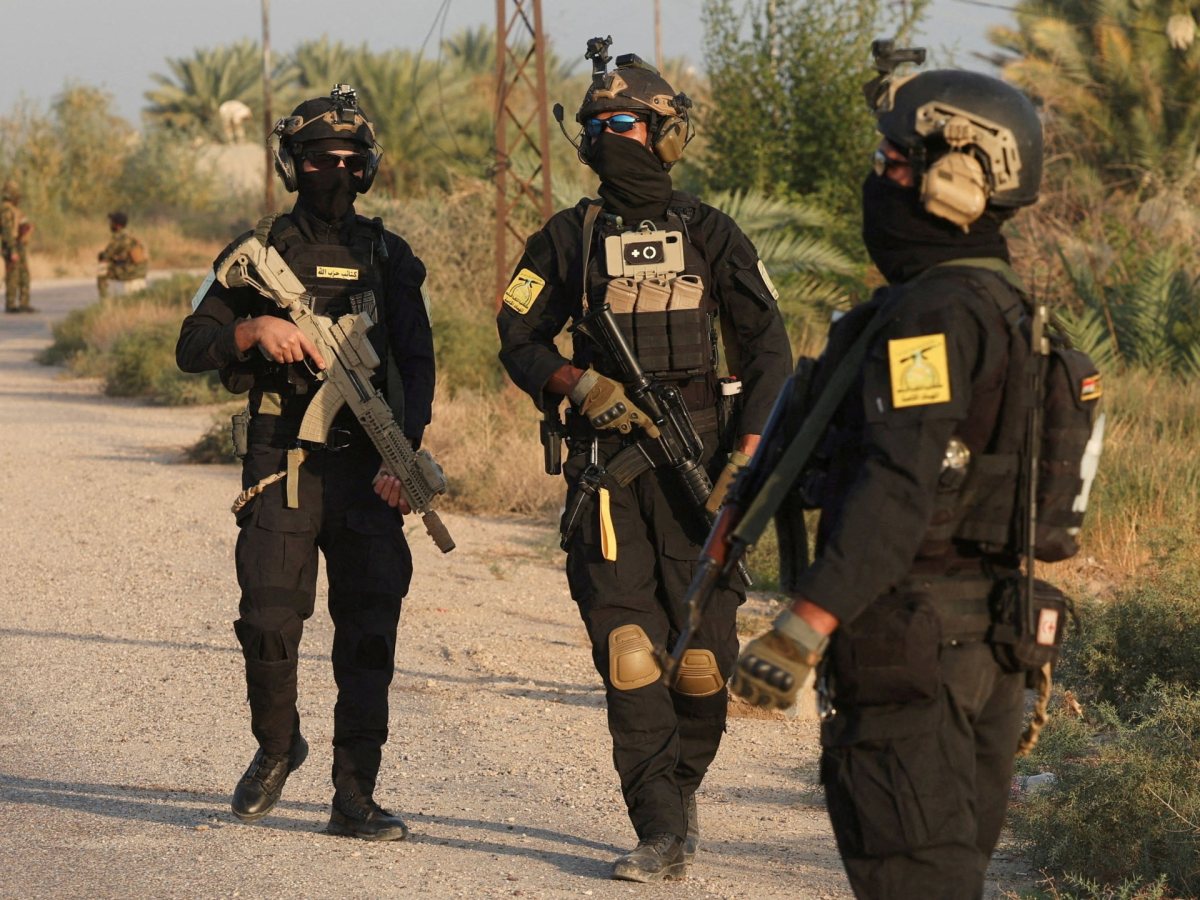
The confrontation with the Kurds follows al-Zaidi's move a week earlier against Kataib Hezbollah, a powerful Shia militia aligned with Iran, which also faced allegations of oil smuggling.
The prime minister ordered troops to prepare to enter Jurf al-Sakhar, a Kataib Hezbollah stronghold south of Baghdad. The group was initially defiant but later allowed soldiers into the city after Shia politicians brokered a compromise.
Although the court ruling looks like a win for the prime minister, analysts quoted by Al Jazeera warn that enforcing his agenda against both the Kurds and heavily armed pro-Iran militias will be difficult.
Renad Mansour, director of the Iraq Initiative at the London-based think tank Chatham House, said the judiciary was strongly backing the government's effort to build a more centralised political order.
"The Iraqi government [is] trying to reclaim some sovereignty," Mansour said.
He described Iraq as a fragmented state lacking a strong centre.
A senior Shia politician close to al-Zaidi told the Reuters news agency that the prime minister aims to dismantle what he called a "state within a state" model. According to the politician, al-Zaidi wants to rein in armed groups that operate beyond state control and to set firmer limits on the Kurdish region's authority over key economic and security matters.
Regional contacts
Separately on Wednesday, the defence ministers of Syria and Iraq held a phone call in which they discussed "several issues of mutual interest", according to Syria's Ministry of Defence. No further details were given.
The dispute over borders and oil revenues has long been a source of tension between Baghdad and the Kurdish regional authorities in Erbil, and the latest ruling is likely to test relations further as the government decides how to put the decision into effect.
This story was prepared by the Hamasta Newsdesk with AI assistance, based on reporting by Al Jazeera. Read the original report. Photo: Al Jazeera.





Show the impact of your work.
Impact stories, campaign videos and community engagement for NGOs and programmes.

More in International
See all
Iraqi PM visits Lebanon as Baghdad seeks oil export routes that avoid Hormuz
Iraq orders army into Kataib Hezbollah stronghold amid oil smuggling probe
Iraq's Jurf al-Sakhar deal with Kataib Hezbollah tests push to rein in militias
Iraq strikes deal with Kataib Hezbollah over Jurf al-Sakhar stronghold
Iran's Quds Force chief Qaani in Iraq as Kataib Hezbollah standoff deepens
Global Community Remarks
0