
Thousands protest in Iraqi Kurdistan as Baghdad moves to seize oil and border control
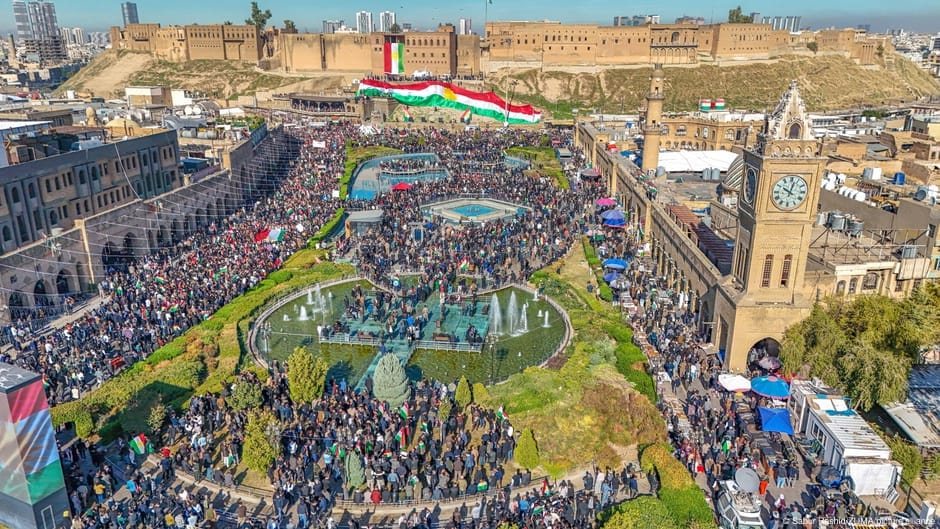
Thousands of people filled the streets of Erbil, the capital of Iraq's semiautonomous Kurdish region, on Thursday to oppose federal government plans to take control of oil operations and border crossings previously managed by Kurdish authorities, according to DW News.
Demonstrators waved huge flags of the Kurdistan region as they rallied early in the day. Protests were also reported in several other towns and cities beyond the regional capital.
In a rare show of unity, rival Kurdish political parties joined forces to organise the demonstrations.
What Baghdad has ordered
The protests follow a decision announced on Tuesday by Iraqi Prime Minister Ali al-Zaidi, who said the measures were intended to curb oil smuggling. Iraq's Federal Supreme Court backed the decision a day later.
Under the changes, border crossings in the Kurdish region will come under federal management. Approval of oil exports from the region will rest with the federal oil ministry, and management of oil fields in four contested provinces, namely Kirkuk, Diyala, Salahuddin and Nineveh, will be transferred.
Al-Zaidi, who took office earlier this year with the support of US President Donald Trump, also removed Kirkuk's operations commander, its police chief and the head of the Border Ports Commission. He described the measures as an expression of Iraq's "independent national will", DW News reported.
Kurdish leaders push back
The Kurdish regional government's cabinet said on Wednesday that the decision breached Iraq's constitution and the constitutional rights of the Kurdistan region, calling it an attempt to return the country to centralised rule.
Regional Prime Minister Masrour Barzani said his administration had been surprised by the decisions and described them as completely unacceptable.
Also on Wednesday, the Supreme Court ruled that the authority of the Kurdistan Regional Government extends only to the territory it administered on 19 March 2003, the day before the US-led invasion that removed Saddam Hussein from power.
A long-running dispute
The moves mark an escalation in a decades-old power struggle between Baghdad and Kurdish authorities, who have largely governed themselves since 1991 with differing degrees of recognition.
Iraq's 2005 constitution, drafted after the fall of Saddam, formally recognised the Kurdish region and its government. However, Erbil and Baghdad have continued to contest control over land, oil and revenue.
Kurdish peshmerga forces moved into many disputed areas after 2003, including the oil fields covered by this week's orders. These territories, lying between the borders with Syria and Iran, are home to many ethnic groups and communities, with Kurds generally forming the majority.
Article 140 of the constitution sought to resolve their status by reversing Saddam-era policies of expelling Kurds and settling Arabs in their place. It also called for a census and a referendum on whether the areas should join the Kurdistan region, but neither has taken place.
Kurdish forces later took more of the disputed land after Iraqi troops were driven out by the so-called "Islamic State" group, before the peshmerga reclaimed some territory with international help.
Why oil matters
The oil-rich areas are vital to both administrations. Iraq depends on oil income for the vast majority of its public sector budget.
The dispute comes at a delicate time for Kurdish politics. The Federal Supreme Court is currently hearing a challenge to the legitimacy of the regional government after one party withdrew from the coalition cabinet. Yet on the question of Baghdad's latest orders, the region's rival factions appear to have found common ground.
This story was prepared by the Hamasta Newsdesk with AI assistance, based on reporting by DW News. Read the original report. Photo: DW News.


Take your event live to thousands.
Multi-camera live streams, panel discussions and digital broadcasts with professional crews.




More in International
See all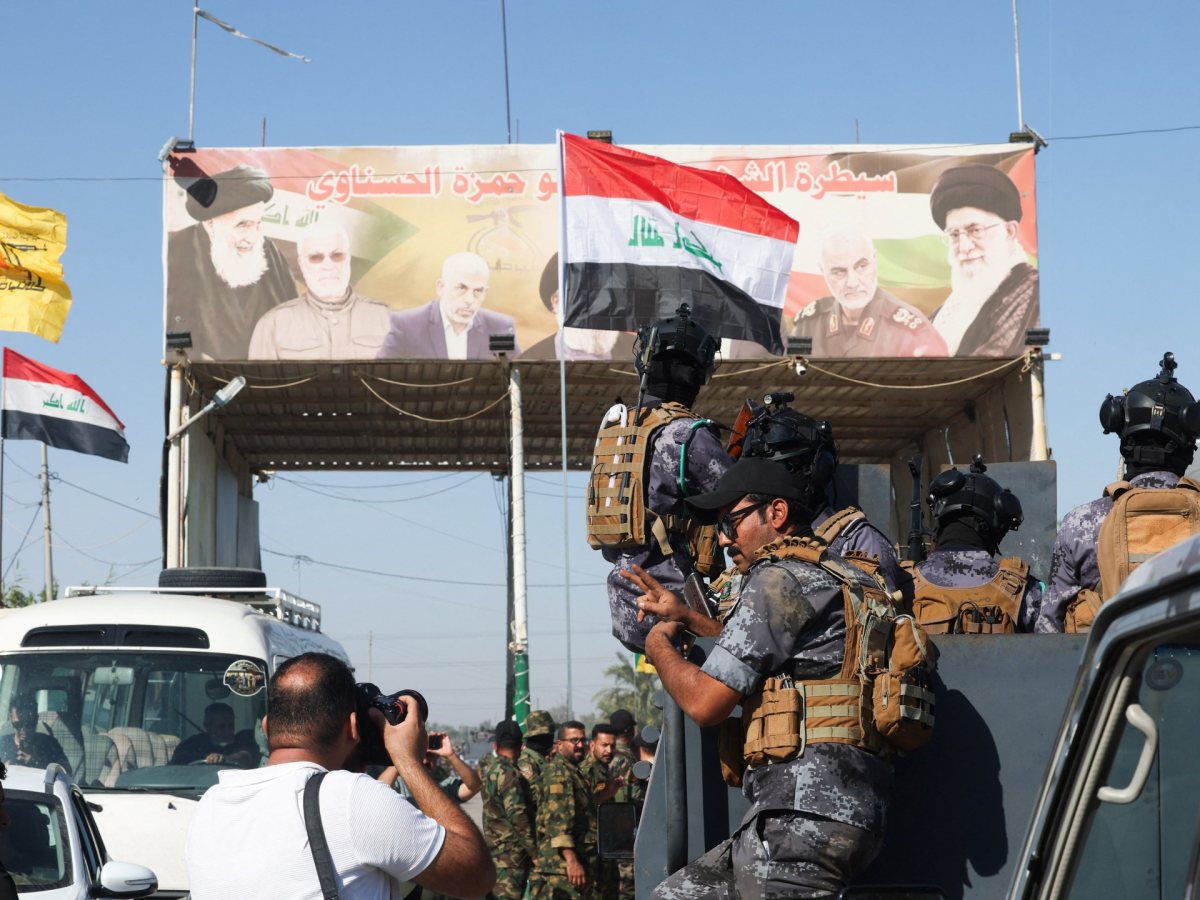
Iraq's top court backs Baghdad's bid to control Kurdish borders and oil fields
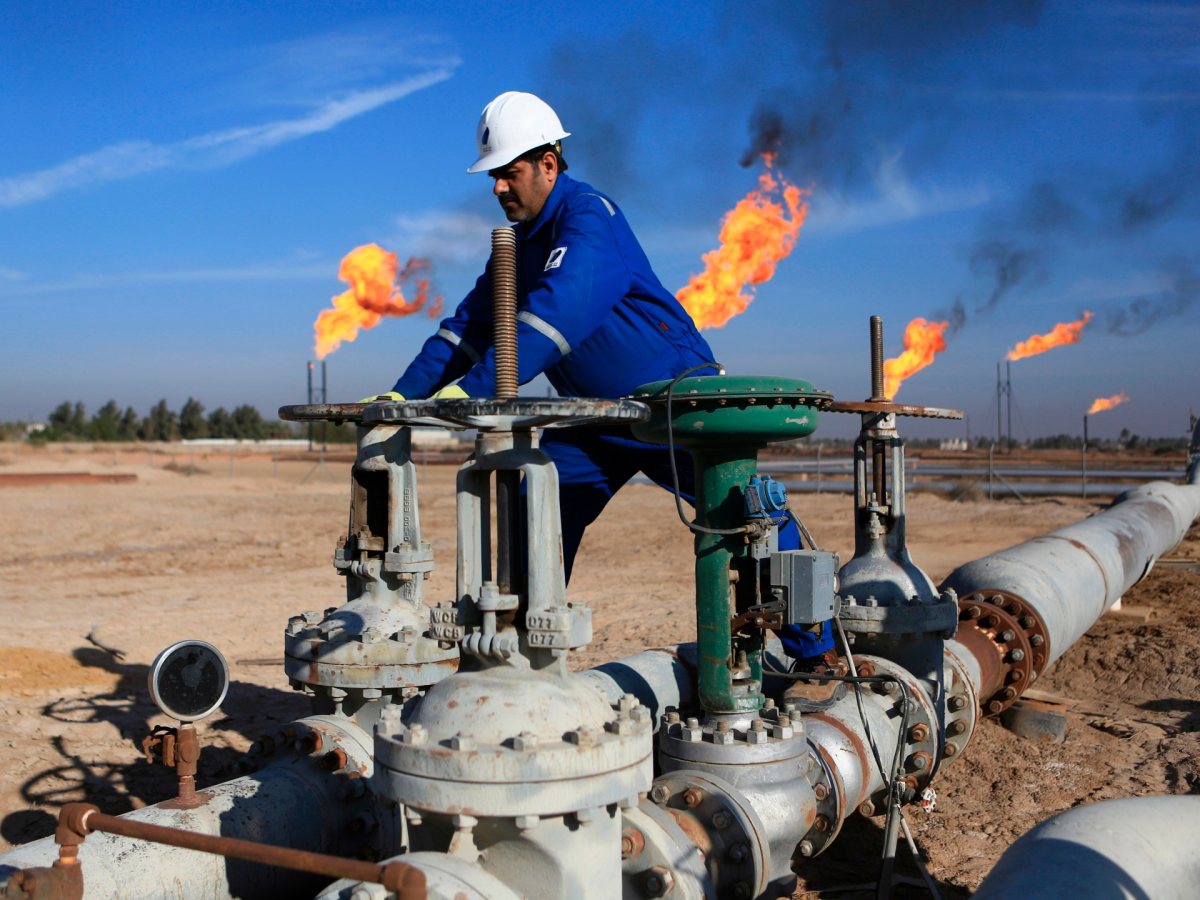
Iraqi PM visits Lebanon as Baghdad seeks oil export routes that avoid Hormuz
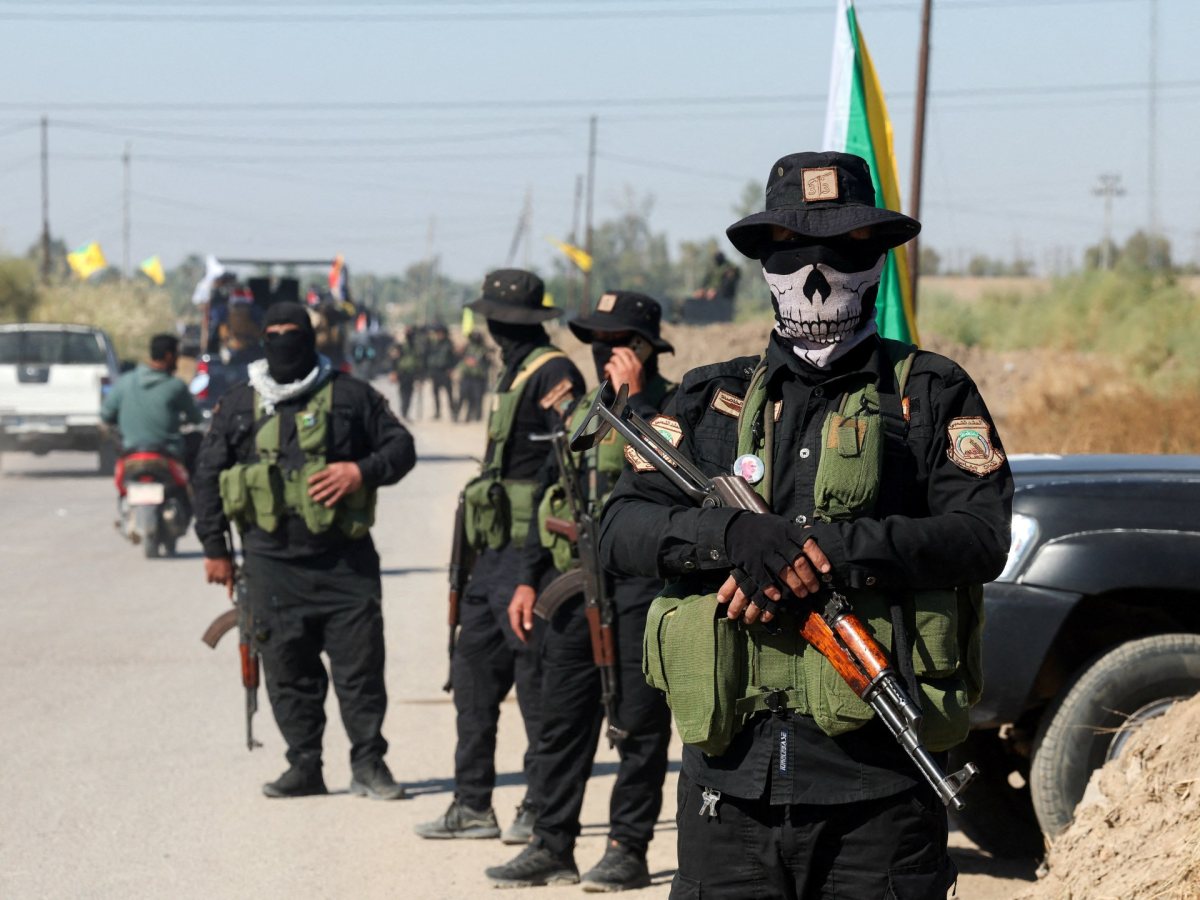
Iraq's Jurf al-Sakhar deal with Kataib Hezbollah tests push to rein in militias
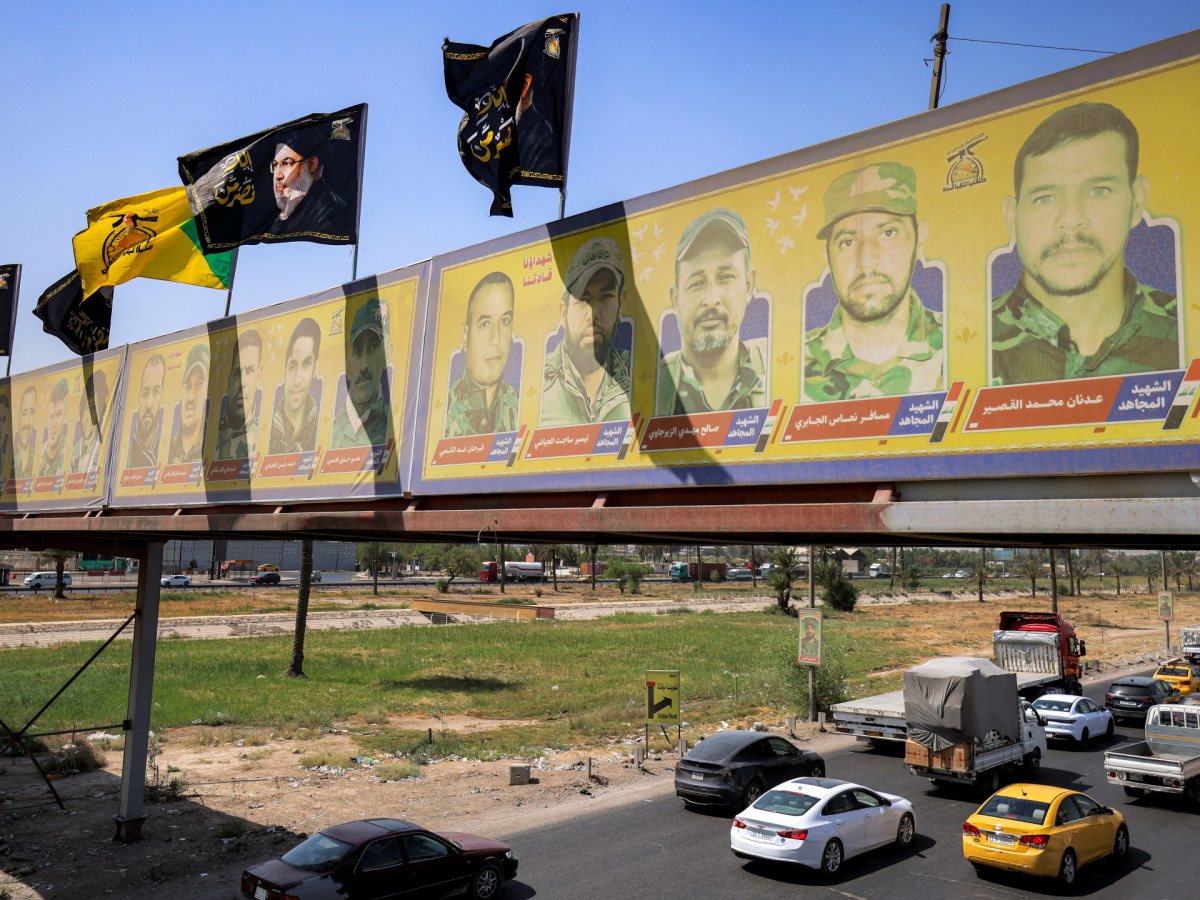
Iraq orders army into Kataib Hezbollah stronghold amid oil smuggling probe
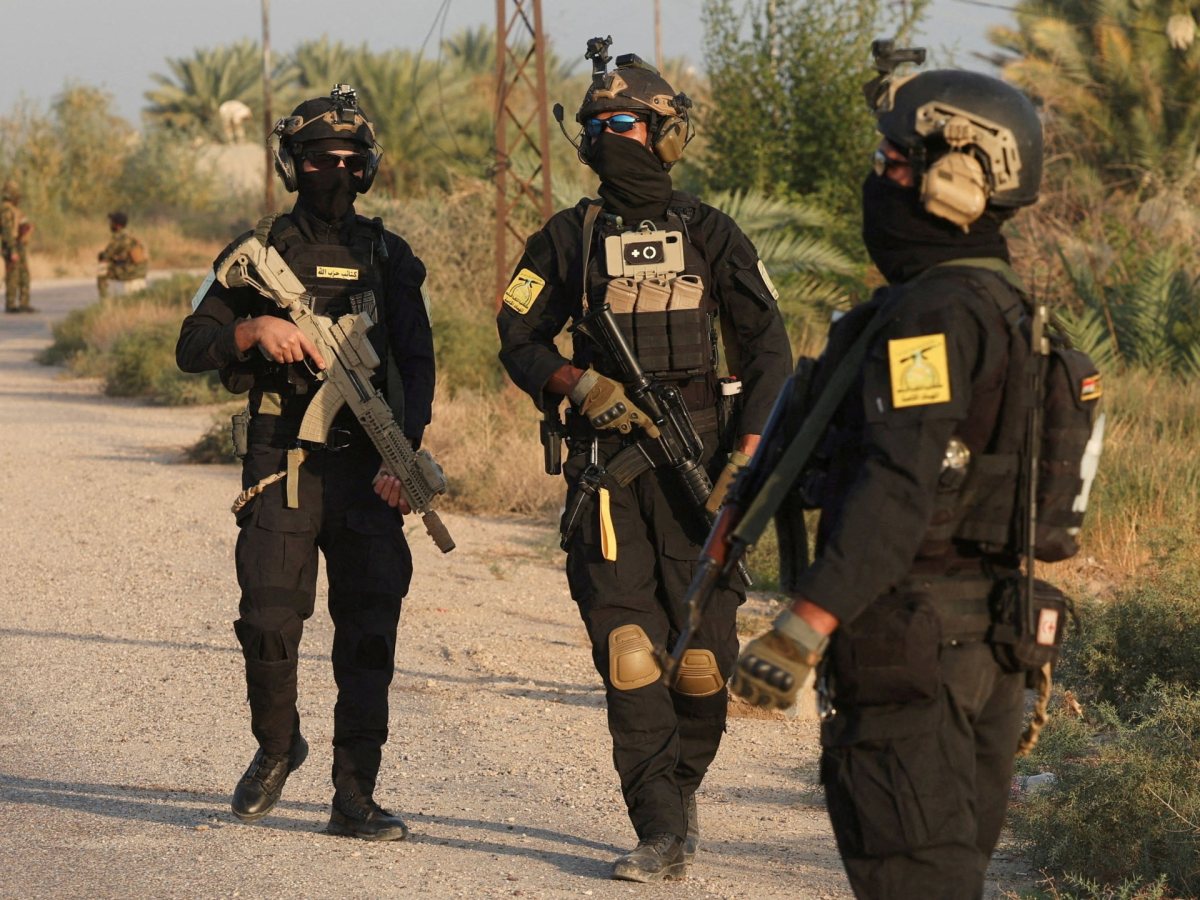
Iraq strikes deal with Kataib Hezbollah over Jurf al-Sakhar stronghold
Global Community Remarks
0