
Harsh European winter could push energy prices even higher, IEA chief warns
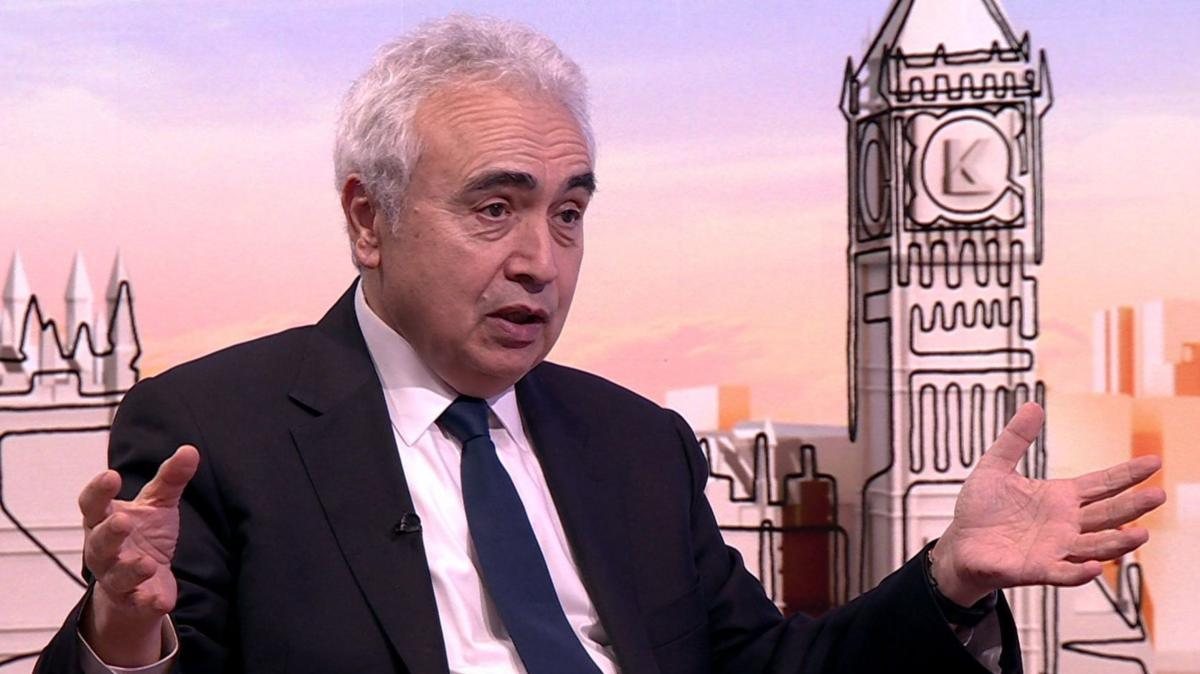
Energy prices could climb even higher if Europe faces a harsh winter, the head of the International Energy Agency (IEA) has warned. He added that there is no realistic route back to the energy system that existed before the Iran war.
Dr Fatih Birol made the remarks in an interview with the BBC's Sunday with Laura Kuenssberg, according to BBC Business. He described the conflict, which began in February, as "the largest energy security threat in history".
He said the war had driven up the cost of oil, natural gas and fertilisers. In his view, the damage to global energy markets is lasting.
"The vase is broken. Once it is broken, you cannot bring it back together," Dr Birol told the BBC.
He said he could see no credible pathway for the global energy system to return to where it stood before the fighting began.
Hormuz holds the key
According to the IEA chief, the outlook depends first on whether the Strait of Hormuz reopens in a way that convinces the whole market.
He was cautious about supply in the coming months. Dr Birol said he did not expect shortages in Europe. However, a severe winter could create difficulties and push prices above current levels, he added.
UK households face steep rise
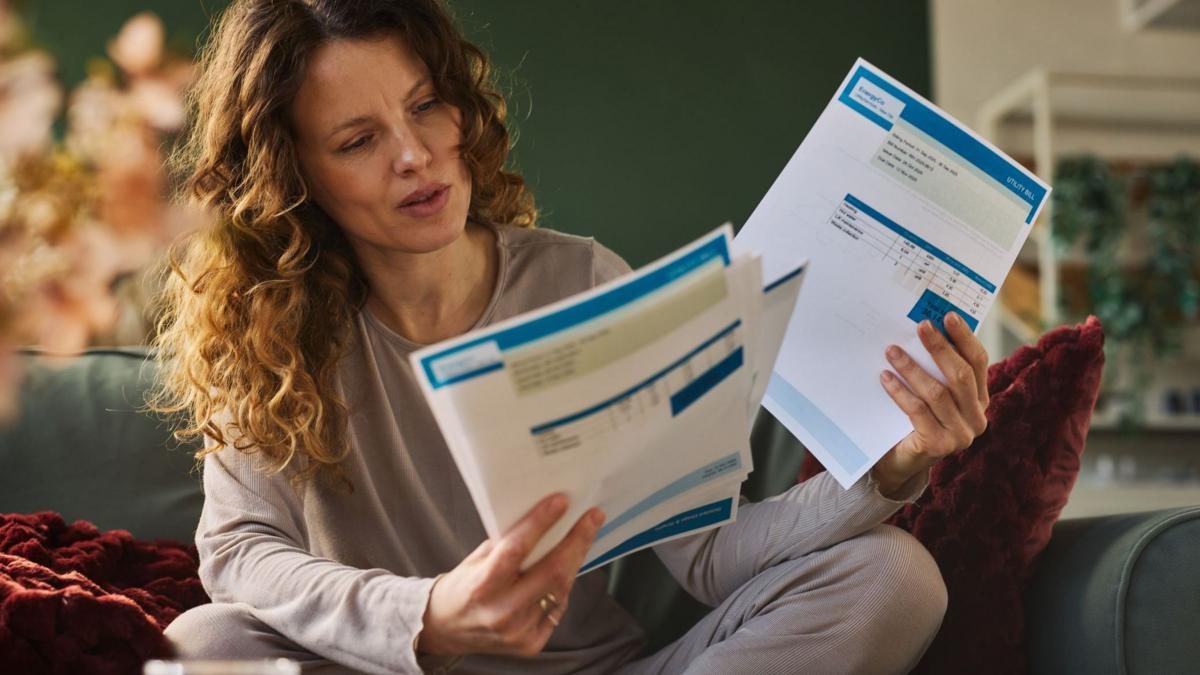
The warning comes as millions of households in the United Kingdom prepare for a 26% increase in energy bills from January, BBC Business reported.
The energy regulator, Ofgem, has said the rise is driven entirely by higher wholesale costs paid by suppliers. It attributes those costs mainly to the Iran war.
Wholesale gas prices rose by 33% over the past three months, the period used to set the price cap for January to March. They have more than doubled since late 2025.
To ease the pressure, the UK government announced in its Autumn Budget that up to 20 million households in England will receive a £100 payment from 4 January. Equivalent payments will be made in Scotland and Wales.
Cyber threats rising
Dr Birol also raised concerns about the security of energy infrastructure. He said attempted cyber attacks on the sector have risen by 400% in recent years.
Why it matters beyond Europe
The IEA chief's comments point to pressure on global prices, not only European ones. Oil and fertiliser are traded internationally.
Kenya and many other African economies rely heavily on imported petroleum products, so shifts in world oil markets are closely watched across the region. Fertiliser costs are also a significant concern for farming-dependent economies.
The full interview is due to be broadcast on BBC One at 09:00 GMT on 29 November.
This story was prepared by the Hamasta Newsdesk with AI assistance, based on reporting by BBC Business. Read the original report. Photo: BBC Business.

Tell your story on screen.
Commercials, documentaries, interviews and social video, from script to final cut.





More in Business
See all
IEA: Hormuz crisis is the biggest threat to global energy security on record
Kenya among four African nations adding over 1GW of solar in 2025, IEA says
Iran warns of winter gas shortages as war damage deepens energy crisis
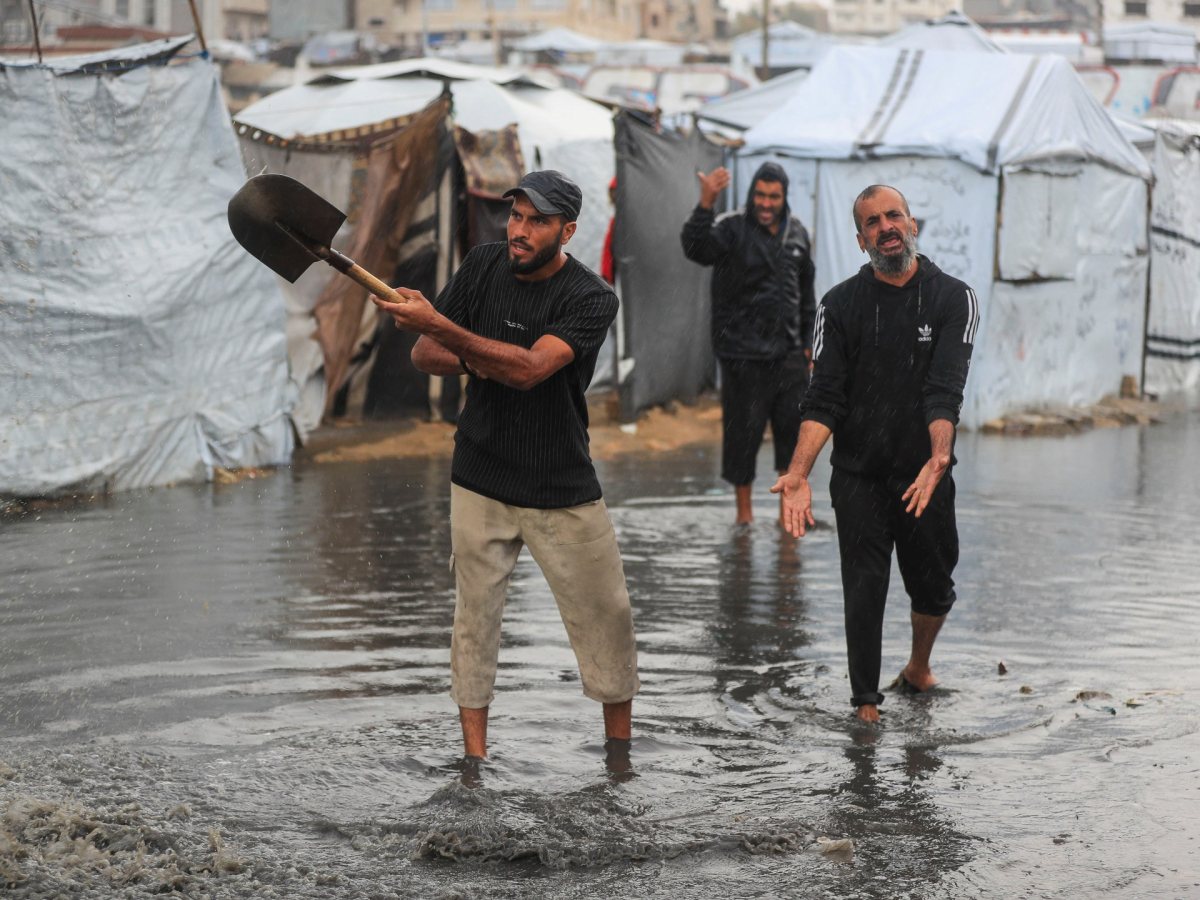
Gaza councils warn winter rains could flood 1,000 displacement sites
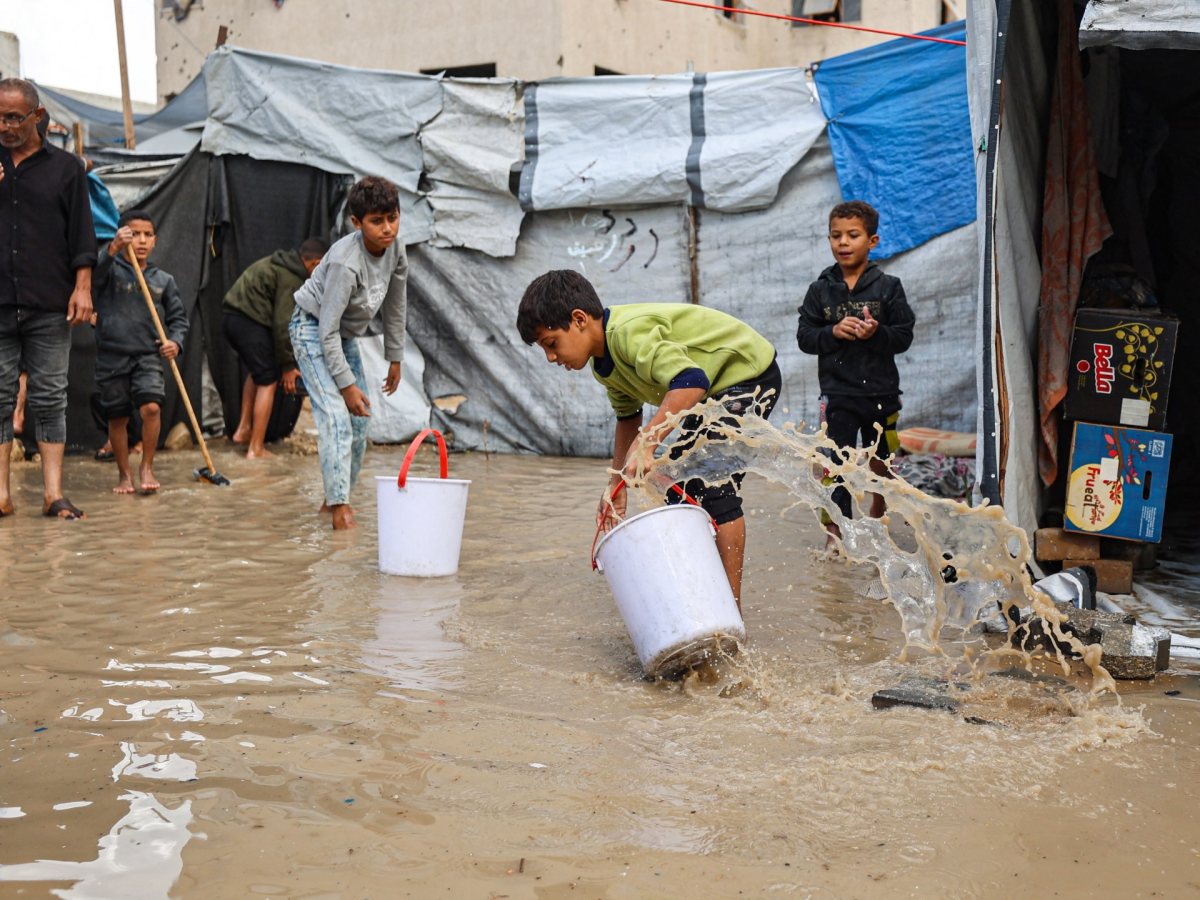
Winter rains flood Gaza tents as aid limits leave displaced families exposed
Global Community Remarks
0