
Houthi advance on Aden threatens Yemen's last major aid gateway, experts warn
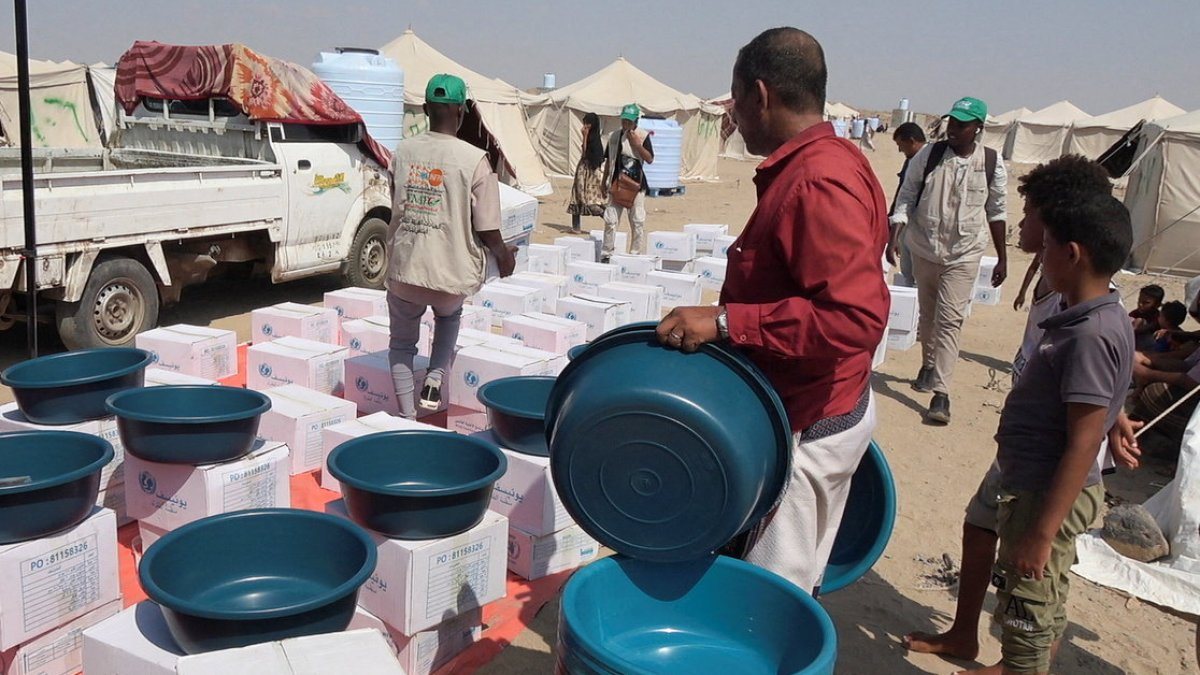
Humanitarian agencies in Yemen are bracing for possible disruption to their operations as Houthi forces move to within about 60km of Aden, the interim capital of the internationally recognised government and the country's main hub for aid, according to Al Jazeera.
Experts and aid officials warn that fighting in or around the southern port city could leave millions of hungry and displaced people without essential assistance, at a time when the United Nations expects Yemen's humanitarian crisis to deepen over the next six months.
A rapid advance
The Iran-backed Houthis, also known as Ansar Allah, have pushed quickly through southern Yemen since the country returned to full-scale war in September. Earlier this year the group took control of the entire Red Sea coast, and the Yemeni army withdrew from its last stronghold on that coast earlier this month.
Government troops and southern separatist fighters are now preparing to defend Aden against an expected assault. The city has not yet seen direct ground fighting, but it has been hit by Houthi missiles in recent weeks, including an alleged attack on its airport.
Major-General Turki al-Malki, spokesperson for the Saudi-led coalition backing the government, said on Sunday that Aden was a red line and that the coalition would do whatever was necessary to protect it.
Why Aden matters
Aden has served as the government's base since the Houthis seized Sanaa in September 2014. It hosts a key commercial port through which much of Yemen's humanitarian aid arrives, as well as the country's only international airport, which handles imports and medical evacuation flights.
Ibrahim El Haddad, who heads the information division of the UN Office for the Coordination of Humanitarian Affairs (OCHA), told Al Jazeera that the port and airport are critical entry points for both supplies and aid workers.
Many international organisations moved to Aden after the Houthis detained staff of the UN, aid agencies and embassies, and as US sanctions on the group took effect, said Mustafa Nasr, founder of the Taiz-based Studies and Economic Media Center. The UN accuses the Houthis of holding 73 of its personnel, some for several years. Groups including Doctors Without Borders, the Norwegian Refugee Council, Oxfam, the International Rescue Committee and Islamic Relief Worldwide have offices in the city.
Other lifelines under strain
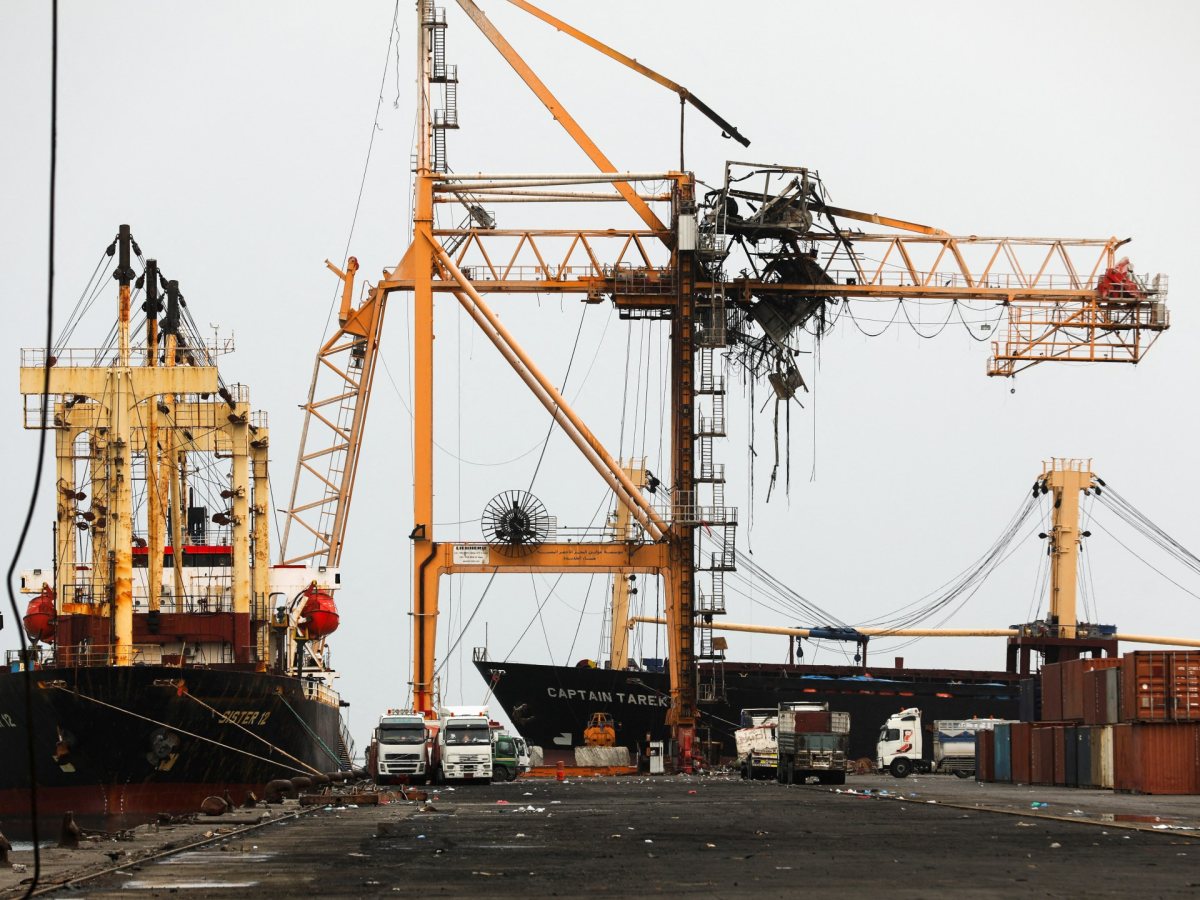
About 80 percent of Yemenis live in Houthi-held areas, which receive imports mainly through Red Sea ports such as Hodeidah and Mocha. Hodeidah alone handles roughly 80 percent of the country's commercial and humanitarian imports, but air strikes on Houthi targets there last week raised fears it could be cut off.
Taiz, Yemen's third-largest city and a government stronghold, has been largely isolated since the Houthis besieged it in October. The World Food Programme said that month it could not reach more than 600,000 people who depend on aid there, while OCHA warned that nearly 250,000 people, including more than 186,000 children under five, had lost access to essential healthcare. Al Jazeera reported that government hospitals in the city had gone more than a month without international aid.
Hunger and displacement rising
The UN projected on Friday that 5.4 million people in government-held areas, or 51 percent, would face crisis-level hunger by December, with 1.8 million in emergency conditions. Nationwide, it estimated the figure at 52 percent. Comparable analysis was not available for Houthi-held areas.
Some of the 300,000 people displaced since September have fled south, joining 3.1 million already displaced in government areas. Visiting an aid distribution centre in Aden governorate on Saturday, UN relief chief Tom Fletcher described the humanitarian effort as
"underfunded, overstretched and under attack"
Jan Egeland, secretary-general of the Norwegian Refugee Council, told AFP that conditions in the north, where few aid groups remain, were far worse than in the south, and warned that millions are starving.
Nasr said he saw no sign of de-escalation. He warned that if fighting reaches Aden, its port, airport and other facilities could come under attack, endangering aid groups and possibly forcing them to leave Yemen altogether.
This story was prepared by the Hamasta Newsdesk with AI assistance, based on reporting by Al Jazeera. Read the original report. Photo: Al Jazeera.





Show the impact of your work.
Impact stories, campaign videos and community engagement for NGOs and programmes.

More in International
See all
Saudi Arabia sacks Yemen coalition commander as Houthis close in on Aden

Houthis near Aden may choose siege over assault to force talks, analysts say

Yemen army says Houthi fighters are 60km from Aden, vows to defend the city
Saudi-led strikes on Hodeidah port raise fears for Yemen's aid lifeline

Yemen's parliament passes law branding Houthis a 'terrorist organisation'

Global Community Remarks
0